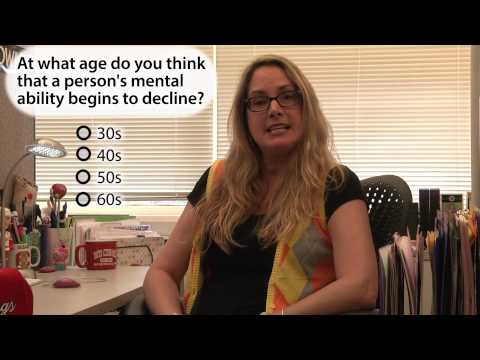
Aging can feel like a wild ride, can’t it? One minute, you’re living life to the fullest, and the next, you’re wondering where you put your keys—again.
Seriously, though, as we get older, our minds don’t always keep up. It’s kinda scary. Memory slips and confusion? Those can be tough to deal with. You might start feeling like you’re losing your grip on things.
But let’s chat about it! It’s important to understand what’s happening inside our heads as we age. Not just for ourselves but for those around us too. It can be a little emotional at times—I mean, who doesn’t feel a twinge of nostalgia when they remember their younger self?
So, let’s break down this whole thing together. You don’t have to face it alone; I’ll be here every step of the way!
Discover the Vitamin That Reduces Dementia Risk by 40%: A Key to Better Brain Health
So, let’s talk about a vitamin that’s been getting a good amount of buzz lately—Vitamin D. Some studies have shown that it might cut the risk of dementia by up to 40%. That’s a big deal, especially when we think about aging and mental decline.
What is Vitamin D?
You probably know this already, but Vitamin D is super important for our bodies. It helps keep our bones strong and supports our immune system. But it seems like there’s more to it, especially when it comes to brain health.
A lot of people get Vitamin D from the sun, which, let’s be honest, can be tricky. If you live in a place with long winters or if you’re just not outside much, you might not be getting enough of this vital nutrient.
How does Vitamin D protect the brain?
Here’s where it gets interesting. Research suggests that Vitamin D plays a role in several brain functions. It might help with neuroprotection (that means protecting brain cells), reducing inflammation, and keeping blood vessels healthy in your noggin’. So, all these little things add up to better brain health over time.
You know how sometimes you hear stories about older adults who seem sharper than their peers? Well, there could be a connection there! A study showed that people who had higher levels of Vitamin D tended to perform better on cognitive tests. It’s like having an extra boost for your mental game.
Dementia and its implications
Dementia isn’t just about memory loss—it can really impact all aspects of life—not just for the person experiencing it but also for friends and family. I remember my grandma being so vibrant one day, then slowly fading as her memory slipped away; it was heartbreaking to watch. That’s why finding ways to reduce dementia risk is so crucial.
Now, you might be wondering how much Vitamin D do we actually need? Well, most experts suggest around 600 to 800 IU daily for older adults—but really—if you’re thinking about supplements or changes in diet, chatting with your doctor first is smart.
Sources of Vitamin D
If you’re looking to naturally boost your levels, here are some easy sources:
- Sun exposure: A daily walk outside can work wonders!
- Fatty fish: Salmon and mackerel are great options.
- Dairy products: Milk and yogurt often have added Vitamin D.
- Fortified foods: Some cereals or orange juices have it added in!
But remember that not everyone absorbs nutrients the same way. Factors like age and health conditions can change how well your body uses what you eat or get from the sun.
In wrapping this up—keeping an eye on your Vitamin D levels could be more important than you think! It’s amazing how a simple vitamin might contribute significantly toward maintaining cognitive function as we age. Staying informed and looking after yourself isn’t just about adding years to life; it’s about adding life to those years!
Understanding Cognitive Decline: Do Older Adults Recognize Their Mental Changes?
Cognitive decline in older adults can be a pretty complex issue. As we age, some changes in memory and thinking skills are common. But the big question is: do older adults even notice these changes? Well, it’s a mixed bag.
First off, awareness varies widely. Some people are very much aware that their minds aren’t what they used to be. They might struggle to recall names or find themselves searching for words mid-conversation. Others, though? They might genuinely not see it. It’s like when you look in the mirror every day—you don’t really notice how you change over time.
One thing that plays a role is insight. This is the ability to recognize one’s own mental state. Some folks maintain great insight well into their 80s or 90s, while others might lose it earlier. Imagine your grandparent trying to explain how they constantly misplace their keys, but then confidently claiming they’re still sharp as a tack—classic case!
Now let’s consider cogntive assessments. Regular check-ups can help identify cognitive issues early on. Some older adults might start to notice discrepancies when they’re asked to do tasks that require mental effort—simple things like remembering a grocery list can become frustrating. But if nobody’s testing them or if they avoid these assessments, they might just cruise along without realizing something’s amiss.
Another factor is emotional responses. Accepting cognitive decline isn’t easy; some people may avoid facing it out of fear or embarrassment. Picture someone who used to ace crossword puzzles now struggling with simple questions—they may laugh it off or brush it aside instead of acknowledging the problem.
To add complexity, there’s also the role of family and friends. Loved ones often see changes before the person does. They might notice forgetfulness or confusion and bring it up gently—or not at all because they’re afraid of hurting feelings. It’s tough having those conversations; nobody wants to sound like they’re doubting someone else’s abilities.
In essence, older adults vary greatly in recognizing their cognitive changes due to factors like insight, emotional health, cognitive assessments, and feedback from others. Keeping lines of communication open with elderly loved ones can really help them feel supported as they navigate this tricky path together with us!
Understanding Sudden Cognitive Decline in the Elderly: Causes, Symptoms, and Solutions
Sudden cognitive decline in the elderly can be pretty alarming, not just for them but for their loved ones too. It’s like one day you’re chatting with grandma about old movies, and the next, she’s struggling to remember your name. It doesn’t always mean something serious is going on, but it’s definitely worth taking a closer look at.
Causes of sudden cognitive decline can vary quite a bit. Sometimes it’s related to health issues, like a stroke or infections. Other times, it can stem from medication side effects or even changes in their environment. For example, if someone moves into a nursing home after living independently for years, that transition can be really tough emotionally and mentally.
Another biggie is dementia. While dementia usually develops slowly over time, there can be instances where symptoms pop up quickly due to other factors. So let’s break this down a bit more:
- Medical issues: Conditions like urinary tract infections (UTIs) are surprisingly common in older adults and can cause confusion.
- Mental health: Depression isn’t just about feeling sad; it can also cloud thinking and lead to what some call “pseudodementia.”
- Environmental changes: A new living situation or even the loss of a long-time partner can trigger rapid cognitive shifts.
- Medications: Sometimes it’s as simple as a new prescription that doesn’t mesh well with their body.
Now let’s chat about symptoms. Recognizing these signs early on is crucial. If you notice someone suddenly forgetting things they used to remember easily—like their favorite recipes or how to play cards—that might be an indicator. Other signs could be:
- A marked change in social behavior, where they start withdrawing from you and others.
- A decline in daily functioning—maybe they struggle with tasks they used to handle without any problem.
- Easily getting lost in familiar places or becoming confused about time and dates.
So what do you do if you see these signs? First off, try not to panic! It’s important to approach the situation gently. A good starting point is scheduling an appointment with a healthcare provider who specializes in geriatric issues.
Solutions vary depending on what’s causing the decline. For example:
- If it’s a medical issue like dehydration from not drinking enough water, that could be easily fixed.
- If depression is involved, therapy and possibly medication can help pick them back up again mentally.
- Making environmental adjustments—like reducing noise or clutter—can create a more comfortable space for them.
You know that feeling when you’re overwhelmed? Well, older folks often deal with similar emotions when faced with changes or declines in mental sharpness. It’s all about finding support systems too—whether it’s family involvement or professional help.
In short, keep your eyes peeled for sudden shifts in cognition as these changes deserve attention! With love and proper care, many people can find their footing again amidst life’s ups and downs. So let’s keep those lines of communication open—it makes all the difference!
You know, aging can be a bit of a mixed bag. It’s like, one minute, you’re full of memories and stories to share, and the next, it feels like your brain is playing tricks on you. Navigating mental decline in old age—yeah, that’s a tough journey for many. I remember my grandma saying things that didn’t quite make sense anymore. One minute she’d be telling me about her childhood; the next, she could forget where she placed her glasses. It was kind of heartbreaking to see someone so vibrant and full of life struggling.
From a psychological perspective, it’s essential to understand that there are different types of decline. Of course, some forgetfulness is considered normal aging—like misplacing your keys or forgetting a name here and there—but when it starts getting severe? That’s when things can get tricky. You might hear terms like mild cognitive impairment or even dementia tossed around. These aren’t just fancy phrases; they represent real struggles people face as they age.
Feeling frustrated or scared about this isn’t uncommon at all! Imagine having spent decades building your life only to feel like parts of it are slipping away. It can be really isolating too. Older adults may find themselves withdrawing from activities they used to love because they’re worried about making mistakes or losing track of conversations.
But here’s the thing: there are ways to cope with these changes! Social support plays such an important role in maintaining mental health as we age. Friends and family can be lifelines—sometimes just sharing a meal or reminiscing over old photos can bring comfort and connection back into the picture.
And then there’s therapy! Yup, talking it out with someone who gets it can help alleviate some of those feelings of anxiety or depression tied to mental decline. Cognitive therapies can even help those experiencing early signs by focusing on strategies that enhance memory and promote a positive outlook.
Navigating this phase isn’t easy, but approaching it with empathy—for ourselves and for our loved ones—is crucial. You’re not alone in this journey; many people are walking the same path. Embracing community ties while fostering patience with ourselves could really make a difference in how we experience this stage in life. After all, every moment lived has its value—even if some memories become fuzzy along the way!