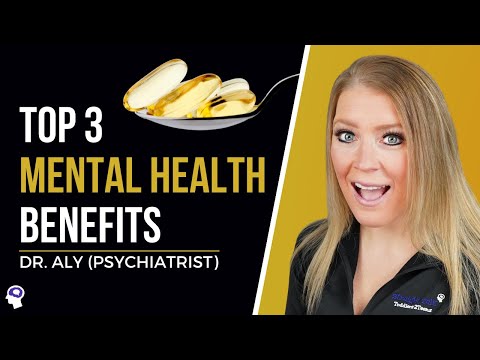
Hey there! So, let’s chat about something that’s been buzzing around lately—omega-3 fatty acids. You’ve probably heard of ‘em, right? Those little guys packed in fish and flaxseeds?
But here’s the thing: they’re not just good for your heart or those shiny locks. There’s some pretty interesting stuff happening with omega-3s and mental health.
I mean, imagine if a simple change in your diet could lighten that heavy feeling of gloom. Seriously, could it be that easy?
Let’s dig into how these fatty acids might just help lift your mood and bring some sunshine back into your life!
Unlocking the Benefits: How Omega-3 Fatty Acids Can Alleviate Depression
So, let’s chat about something that’s popping up a lot lately—omega-3 fatty acids and their link to depression. You might’ve heard that these little guys can work wonders for your mental health. But what’s the deal?
First off, **omega-3 fatty acids** are essential fats. That means your body can’t make them on its own, so you gotta get them from food sources or supplements. They’re found in oily fish like salmon and mackerel, walnuts, flaxseeds, and even in some eggs. Pretty cool, right?
Now here’s where it gets interesting. Research suggests that omega-3s might help reduce symptoms of depression. There’s some evidence showing that people who consume diets rich in these fatty acids tend to have lower rates of depression compared to those who don’t.
So, how do they actually help? Well, it seems that omega-3s can play a role in brain function by helping maintain the cell membranes of neurons and promoting better communication between brain cells. This is important because our emotions and mood are tied up with how well our brains communicate.
Another thing is **inflammation**—a sneaky player in mental health. Some studies suggest that people with depression often have higher levels of inflammation in their bodies. Omega-3s have anti-inflammatory properties which may help reduce this inflammation and improve mood.
You might be wondering how much you should be aiming for if you want to give this a shot:
- Most experts recommend getting about 1 gram of EPA (eicosapentaenoic acid) and DHA (docosahexaenoic acid) combined daily.
- This could be through eating fatty fish a few times a week or by taking supplements if you’re not into seafood.
But hey, it’s not a magic bullet! Sure, omega-3s can be helpful but they’re just one piece of the puzzle when it comes to managing depression. Therapy and medication might still be necessary depending on individual needs.
Let me tell you about Sarah—she struggled with low mood for years. After talking with her doctor, she started incorporating more omega-3-rich foods into her diet alongside therapy sessions. Over time, she noticed some improvement in her mood stability. It was part of a bigger strategy but definitely made a difference for her.
In summary, while omega-3 fatty acids could provide some relief when it comes to depression due to their impact on brain function and inflammation reduction, they should ideally complement other treatments rather than act as a standalone solution. So yeah, if you’re curious about trying them out as part of your mental health journey? Definitely worth discussing with your healthcare provider!
The Essential Omega-3 Dosage for Reducing Depression Symptoms: A Comprehensive Guide
You know, when we talk about mood and mental health, diet often pops up. Fish oil and omega-3 fatty acids have been buzzed about for their potential benefits in easing depression. But how much should you actually take? That’s a great question.
Omega-3 fatty acids are crucial fats your body can’t make on its own. They come in three forms: ALA, EPA, and DHA. The first one, ALA, is found in plants like flaxseed and walnuts. The other two, EPA and DHA, are more commonly found in fish like salmon.
So what’s the deal with dosage? Studies suggest that to see any real benefits for depression symptoms, you might need anywhere from 1,000 to 2,200 milligrams of combined EPA and DHA daily. It’s not just about eating a couple of fish sticks once a month!
Here’s a breakdown:
- 1,000 mg: This is a common starting dose for general health.
- 1,500-2,000 mg: Many studies find this range may help reduce depressive symptoms.
- 2,200 mg: Some researchers even suggest this upper limit for those really struggling with major depression.
Now let’s think about it—what does this look like in real life? If you’re munching on salmon or taking fish oil supplements (make sure they’re high quality!), hitting these numbers could be more manageable than you thought. Just remember that everyone’s body is different; what helps one person might not do much for another.
Also consider timing. Some folks suggest spreading your intake throughout the day instead of loading up all at once. Maybe take one with breakfast and another with lunch or dinner? It might help with absorption or simply keep things balanced.
And please don’t forget to check with your doctor before making any big changes to your diet or starting new supplements—especially if you’re already on medication for depression. Mixing things up can sometimes lead to unexpected effects.
To wrap it up—omega-3s can be a supportive player in battling depression symptoms when taken in appropriate doses. Yet they’re not a magic pill by any means; think of them as part of an overall approach which could also include therapy and lifestyle changes. Keeping that balance is essential!
The Best Omega-3 Supplements for Boosting Mood: A Comprehensive Guide
Well, let’s get into the nitty-gritty of omega-3 fatty acids and how they relate to mood. You might have heard about omega-3s before. They’re not just a health buzzword; they play a big role in your brain’s functionality. Seriously, these nutrients could be the missing link if you’re feeling a little off.
So what exactly are omega-3 fatty acids? They’re essential fats that your body can’t produce on its own, meaning you need to get them through food or supplements. The main types are EPA (eicosapentaenoic acid) and DHA (docosahexaenoic acid). Both can help with brain health, but EPA is the rock star when it comes to mood.
Now, let’s talk about depression. There’s some research suggesting that people with lower levels of omega-3s might have a higher risk for depression. It looks like these fatty acids can influence neurotransmitters like serotonin, which is essential for regulating mood. If you think about it, it makes sense! You want your brain to work well, right? And omega-3s are kind of like the oil that keeps the gears running smoothly.
When you think about getting more omega-3s in your diet, consider these sources:
- Fatty Fish: Salmon, mackerel, sardines—these guys are packed with EPA and DHA.
- Flaxseeds: A great plant-based source; just grind them up before eating.
- Chia Seeds: These tiny seeds pack a punch; throw them in smoothies or yogurt.
- Walnuts: Snack on them for a healthy dose of omega-3s.
But hey, if you’re not into eating fish or seeds every day—even if they taste good—supplements could be a solid option. There are tons out there! Look for high-quality ones that say they contain both EPA and DHA.
Just keep a couple of things in mind when shopping around:
- Purity: Always check if they’re free from heavy metals and contaminants.
- Dosing: Aim for at least 500 mg per day combined EPA and DHA for mood support.
Anecdote time! I once met someone who was skeptical about these supplements because she thought they were all hype. But after weeks of incorporating quality fish oil capsules into her routine—paired with therapy—she started feeling more balanced emotionally. Like she could finally breathe again after being underwater for so long.
Of course, omega-3s alone won’t solve everything. They’re part of a bigger picture when it comes to mental health. Regular exercise and connecting with friends also play huge roles in how you feel every day.
So whether it’s through diet or supplements, adding some omega-3 fatty acids might just help you turn that frown upside down! Just remember: check with your healthcare provider before making any significant changes to what you’re taking—better safe than sorry!
You know, when we talk about mental health, we often think of therapy and medications. But there’s this little gem hiding in plain sight: omega-3 fatty acids. Yeah, I know it sounds a bit nerdy, but hear me out. These guys can actually play a big role in helping with depression.
Let me share a quick story. My friend Sam had been going through a rough patch—like, really rough. He was feeling down all the time and just couldn’t shake it off. He tried the usual stuff: therapy sessions, meditation—you name it. But then one day, he heard about omega-3s and decided to give them a shot. It was like throwing a life raft into stormy seas for him! Over time, he noticed that his mood started lifting a bit.
So what’s the deal with these omega-3 fatty acids? Well, they’re these essential fats that your body needs but can’t produce on its own. You find them mainly in fish like salmon or in flaxseeds and walnuts if you’re more plant-based. The thing is, they play a huge part in brain health—they help build cell membranes and reduce inflammation.
There have been some studies suggesting that people who don’t get enough omega-3s might be at higher risk for depression. It’s not super clear-cut yet, but there’s definitely something to it. Omega-3s appear to boost serotonin levels—yeah, that happy chemical your brain loves—and may even help protect against mood swings.
Now don’t get me wrong; I’m not saying omega-3 magic pills will cure everything! It’s more like adding an extra tool to your mental health toolbox. If you’re thinking about trying them out for your mood or if someone you care about is struggling with depression, having those nutrients might just make things a little brighter.
But also remember to chat with your doctor before diving in headfirst into any new supplement routine! It’s all about balance—just like how Sam mixed his new omega-3 habits with other healthy choices and support systems.
So yeah, keeping those omega-3s on your radar could be worth it if you’re looking for ways to manage your mood better!