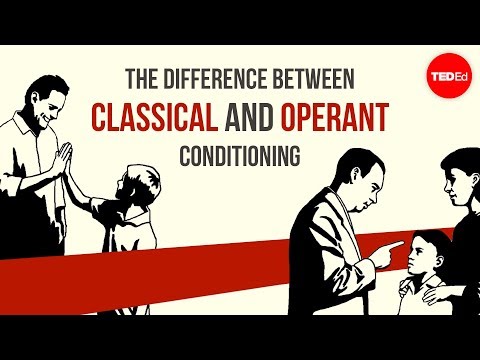
Ever noticed how some ads just stick in your head? Like, you can’t shake them off. That catchy jingle or the way they make you feel, it’s all part of the plan, my friend.
Welcome to the world of operant conditioning. Sounds fancy, huh? But hang on; it’s just a cool way advertisers get us to think or act a certain way.
You know how some brands give you a little reward for being loyal? That’s not just nice—they’re using psychology! This whole concept is about learning through rewards and punishments.
So, next time an ad makes you reach for your wallet, remember: it’s not just chance. There’s some solid brain science behind it all. Let’s break it down together!
Understanding Operant Conditioning in Advertising: How Psychology Shapes Consumer Behavior
Understanding how psychology shapes consumer behavior, especially through **operant conditioning**, can really change the way we look at advertising. You’ve probably heard of operant conditioning before, right? It’s this concept developed by B.F. Skinner, and it’s all about how behaviors are shaped by rewards and punishments.
So, here’s the deal: when we talk about operant conditioning in advertising, we’re looking at how marketers use positive reinforcements to encourage buying. Basically, if you reward a certain behavior, like purchasing a product or clicking on an ad, you’re more likely to see that behavior repeated.
Positive Reinforcement is when you’re rewarded for doing something. Think about a time you saw an ad offering a discount for signing up for a newsletter. That discount is your reward! The next time you think about that brand or product, you’re more likely to check it out because you remember that sweet deal.
Now let’s touch on Negative Reinforcement, which might sound a bit backward but bear with me. This isn’t about punishment; it’s about removing something unpleasant. If an ad promises to solve a problem—like get rid of annoying spam emails—that makes you feel good. You’re being «rewarded» by having that stress taken off your plate if you take action.
Marketers often play with punishments too, though it’s not as common in ads because they want to encourage buying rather than discourage it. For example, if there’s urgency created through phrases like “only available today” or “limited stock,” it might make you feel stressed about missing out. That emotional push could lead you to make a quick purchase just so you don’t lose out.
Think of loyalty programs as classic examples of operant conditioning in action! They thrive on the idea of rewarding ongoing patronage—like earning points for every dollar spent—which keeps customers coming back again and again.
Here are some key points to remember:
- Rewards help shape behavior: A positive experience makes us want more.
- Sparking emotions: Advertising isn’t just about products; it’s all about feelings.
- Loyalty programs: They keep consumers hooked through continuous rewards.
- Creating urgency: Fear of missing out? That can push quick decisions!
So there’s definitely some serious psychology at play when it comes to advertising strategies. It’s not just random pictures and catchy slogans—marketers are using our own psychology against us (in a good way!) to guide our choices as consumers! It’s kinda wild how deep those connections run between what we see and what we do with our wallets, huh? The next time you’re scrolling through ads or catching commercials on TV, keep this in mind: every click or purchase is part of a bigger dance orchestrated using some neat psychological tricks!
Understanding Operant Conditioning: Key Examples in Marketing Strategies
Operant conditioning is a big deal in psychology, and it totally plays into marketing strategies. Basically, it’s all about how behavior can be shaped by rewards and punishments. It’s like training a dog; give a treat when they do something good, and they’ll keep doing that thing. It works similarly in advertising: companies want you to buy their stuff, so they learn how to reward you for doing just that.
So, let’s break it down a bit. When a company uses operant conditioning in its marketing, they’re trying to influence your behavior through positive reinforcement or negative reinforcement.
Positive Reinforcement is where you get some kind of reward for taking action. Have you noticed how often businesses offer discounts or freebies? It’s not just nice; it’s smart! For example:
So what happens? You keep coming back because you’re anticipating that sweet reward!
Now, let’s talk about Negative Reinforcement. This one works by taking away something unpleasant when you do what the company wants. Imagine this:
That little push makes it clear: pay up and enjoy your show without those annoying ads.
And, of course, we can’t forget about Punishment. This isn’t as common but still worth mentioning. Companies sometimes create consequences to nudge behavior in their direction.
This makes people more likely to pay on time next time around!
Another interesting angle is variable schedules of reinforcement. This concept means rewards are given out at unpredictable times; this can really get people hooked! Just think about those loyalty programs where you’re not sure when you’ll earn points or rewards.
It keeps them coming back for more! The thrill of possibly winning something big makes them spend more money.
In sum, operant conditioning shapes how we interact with brands through clever marketing strategies—it’s all about understanding human behavior and creating incentives that really work. By rewarding positive behaviors and managing consequences wisely, companies make sure we’re engaged and motivated to keep buying.
So next time you’re tempted by an offer or discount—think about why it’s working on you!
Exploring the 5 Key Principles of Operant Conditioning in Psychology
Operant conditioning is like a basic rulebook of how we learn from the consequences of our actions. You know, you do something, and depending on what happens next, you either keep doing it or you back off. It’s really interesting how this concept plays out, especially in advertising strategies.
To break it down, there are five key principles in operant conditioning that can change how behavior happens. Here’s a closer look:
- Positive Reinforcement: This is when you get something good for doing something right. Think of when a brand gives you a discount for signing up for their newsletter. You’re more likely to keep shopping with them because they reward you for your loyalty.
- Negative Reinforcement: This isn’t about punishment but rather removing something unpleasant. For instance, if an app stops showing annoying ads once you pay for it, that’s negative reinforcement at play. You pay to make the ads go away, so you’re likely to pay again if it means a better experience.
- Punishment: This one’s about making a behavior less likely by adding something negative or taking away something positive. If an ad annoys users and they complain enough to have that brand blocked from their feeds, that’s punishment working its magic—people won’t engage with them anymore.
- Extinction: Over time, if a behavior doesn’t get reinforced or punished, it might fade away completely. Imagine if an online store stops sending those awesome sales notifications you used to love; eventually, you might stop checking their site altogether.
- Shaping: This is all about gradually guiding someone toward the desired behavior through successive steps. In advertising terms, think about those clickbait headlines that lure you in step-by-step; each click is like a tiny win that brings you closer to the ultimate goal—maybe making a purchase or signing up.
So here’s the thing: advertisers are basically psychologists trying to get into our heads with these principles. They want us to feel good about what we’re doing—even if it’s just clicking on an ad!
Imagine getting an email saying «Hey! You’ve got $10 off your next order!» immediately after you’ve shopped online before; that’s positive reinforcement zapping your brain and saying “yes!” It feels good! But if they start bombarding your inbox without anything useful? That could lead to punishment—you might just unsubscribe.
The emotional rollercoaster these principles create makes operant conditioning quite powerful in advertising strategies. Brands use these tactics unconsciously as much as we experience them consciously—like two sides of the same coin.
In sum, understanding these five key principles can help clarify why certain ads stick with us while others don’t even register on our radar! It’s all about cause and effect—and isn’t it wild how our choices can be influenced so strategically?
You know, when you think about how advertising works, it’s kinda fascinating. I mean, companies spend a ton of money trying to get us to buy things and often rely on concepts from psychology to do it. One of those concepts is operant conditioning. It’s like they’re trying to train us, kind of like how you’d teach a dog to sit or fetch.
So basically, operant conditioning is about rewards and punishments. If you do something that gets you a treat, you’re more likely to do it again. Think about those commercials that offer you something cool or free if you sign up for their email list or buy their product. They’re basically saying, “Hey! Do this thing and get something nice!” It’s super effective because who doesn’t love getting free stuff?
I remember the first time I tried an app that gave me points for walking every day. The more I used it, the more points I got. And let me tell you, seeing my points rack up felt amazing! It got me motivated—seriously, I found myself walking just to see that number climb higher. That’s operant conditioning at work!
Now advertisers know this and will use flashy visuals and catchy jingles to grab your attention—like a dog with a shiny ball! Once they have your attention? Bam! They hit you with the reward: a discount, a special offer—it’s like they’re saying “Good job for noticing us!” This makes us more likely to engage with them in the future.
On the flip side, if an ad doesn’t resonate with us or we have a bad experience after buying something (like buyer’s remorse), we’re less likely to go back there again—that’s the punishment part kicking in.
All this really shows how deep these psychological strategies run in our daily lives and decision-making processes. It’s wild but also kind of brilliant how advertisers can tap into our behaviors like that. You start thinking about all those ads now and wonder: am I just trained? But honestly? It’s all about understanding what influences us—you know? So next time you’re bombarded with ads telling you what you need, just remember: they’re playing the long game on your mind!