You ever find yourself doing something you just can’t explain? Like, why do you feel super good after finishing that long walk? Or why do you avoid that one place that gives you the creeps?
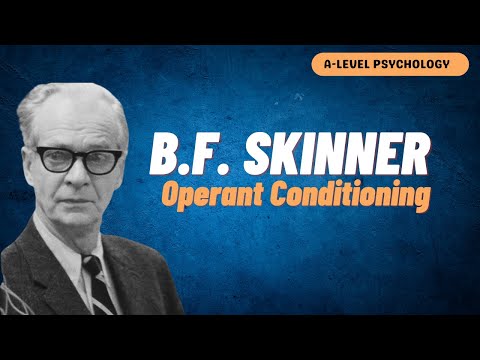
Well, that’s kind of where Skinner’s operant conditioning comes in. It’s all about those little rewards and punishments that shape our behavior. Seriously, though—it’s like our brains are these tiny experiment labs, learning what feels good and what doesn’t.
In the mental health world, this stuff gets really interesting. You see it pop up in therapy or when working on habits. It’s like your brain’s own guidebook to surviving life’s ups and downs. So let’s chat about how this all ties together and why it matters for feeling good in your skin!
Exploring the Modern Application of Skinner’s Behavioral Theory in Mental Health Practices
Behaviorism has come a long way since B.F. Skinner’s time, but his ideas around operant conditioning are still super relevant in modern mental health practices today. You know how when you do something good, you get a reward? Or when you mess up, there might be a consequence? That’s basically what operant conditioning is all about.
First off, let’s break down the basic idea. In Skinner’s view, behavior is shaped and maintained through reinforcement and punishment. So if you want someone to keep doing something good, you give them a reward for it—like praise or even treats! On the flip side, using mild consequences can help decrease unwanted behaviors. Pretty simple, right?
Now let’s talk about how this plays out in real life. For example, consider someone working on their anxiety. A therapist might use operant conditioning by reinforcing positive coping strategies. If a person practices deep breathing before facing a stressful situation and feels calmer afterward, they might get a small reward—a sticker or even just verbal praise! Over time, this builds confidence and strengthens those healthy behaviors.
A big area where Skinner’s work really shines is in behavioral therapies like Applied Behavior Analysis (ABA). This therapy is particularly effective for individuals with autism spectrum disorders. Here’s how it works: therapists set clear goals for desired behaviors and then use positive reinforcement to encourage them. If a child engages positively with others during playtime, they might earn points toward a bigger reward—like extra playtime! It’s rewarding for both the kid and the therapist because they see progress together.
But it’s not all rainbows and butterflies; it’s important to remember that using consequences needs to be handled carefully. Too harsh or inconsistent punishment can lead to fear or rebellion rather than real change. Think about it—if every time you made a mistake at work your boss yelled at you instead of giving constructive feedback? Yeah, that wouldn’t motivate anyone!
Another cool application of Skinner’s principles can be seen in habit formation programs or apps nowadays that tap into behavioral strategies to promote healthier lifestyles. They often include elements like rewards for consistent healthy choices—say you’ve tracked your workouts all week, boom! You unlock a fun badge! This taps into our need for positive reinforcement while making it feel more engaging.
In short, Skinner’s behavioral theory may seem old school but it’s standing strong in our modern mental health toolbox. The idea of shaping behavior through reinforcement and consequences continues to help therapists devise plans that really work for clients struggling with various issues—from anxiety disorders to developmental challenges.
So yeah, without realizing it sometimes we’re all engaged in this little dance of rewards and risks—and that’s part of what makes change possible in so many ways!
Unlocking the Power of Operant Conditioning: Key Benefits for Mental Health and Behavioral Change
Operant conditioning is like a tool for change. It’s all about how we learn from our actions and their consequences. B.F. Skinner, the guy behind a lot of this thinking, showed that behaviors can be shaped through rewards and punishments. You do something good? You might get a treat! Mess up? Well, you face the music. This isn’t just for pets; it has serious applications in mental health and making lasting changes in behavior.
Understanding Operant Conditioning
At its core, operant conditioning involves two main concepts: **reinforcement** and **punishment**. Reinforcement strengthens a behavior by providing something desirable or removing something unpleasant. Punishment, on the other hand, weakens a behavior by introducing something unpleasant or taking away something pleasant.
Imagine you’re trying to pick up jogging. If you go out for a run and feel fantastic afterward—that’s positive reinforcement! But say you skip your run and feel guilty about it; that could serve as negative punishment if it makes you rethink skipping next time.
Benefits for Mental Health
When we talk about mental health, operant conditioning can play a big role in helping people manage their conditions or improve their well-being. Here are some key benefits:
Let me tell you about my friend Jake. He was struggling with social anxiety; even small gatherings felt like giant mountains he had to climb. Through gradual exposure therapy—which heavily relies on operant conditioning—he practiced going out more often. Each time he felt less anxious and earned praise from his friends afterwards (that was his reinforcement!). Over time, he developed more confidence and now enjoys socializing way more than before!
The Role of Reinforcers
Reinforcers can be anything from verbal encouragements to small treats for achieving goals or milestones. The trick is figuring out what works best for someone because everyone’s motivators are different! For some folks, getting a gold star on their calendar may feel rewarding; others might prefer a little Netflix time as their reward for tackling tough tasks.
Pitfalls to Avoid
But hold on—operant conditioning isn’t always foolproof! It’s key to use this method wisely because if someone is only motivated by external rewards, they might struggle when those rewards go away. Plus, punishment without understanding can lead to fear or resentment rather than genuine change.
All said and done, operant conditioning holds some serious potential for personal growth and improved mental health when used thoughtfully! It’s all about rewarding the right behaviors while gently guiding away from what’s unhelpful—all while being patient with yourself along the way!
Understanding Classical Conditioning: How It Shapes Behavior and Emotions
Understanding classical conditioning is like opening a door to see how our behaviors and emotions are shaped. It’s a key concept in psychology that dives into how we learn through associations. Basically, it’s all about linking one thing to another, which can totally influence how we act or feel.
Classical conditioning was first put on the map by Ivan Pavlov, right? He did this famous experiment with dogs. Pavlov noticed that when he rang a bell before feeding the dogs, they would start to salivate just at the sound of the bell, even if there was no food around. So what happened here? The dogs learned that the bell meant food was coming. This is a classic example of associative learning. The sound (the bell) became linked to an automatic response (salivation). You see this everywhere in life.
Now, let’s connect that to your experiences. Ever hear a song and suddenly get hit by memories from an old relationship? That emotional jolt happens because your brain has linked that song to those specific feelings or events. It’s wild how our mind works like that!
But hold up! How does this tie into Skinner’s operant conditioning? That’s another layer of learning where consequences shape behavior. While classical conditioning is about associations, operant conditioning focuses on rewards and punishments after a behavior occurs. For instance, if you study hard and get good grades (reward), you’re likely to study again (repeat behavior). If you slack off and fail (punishment), you may change your approach next time.
In mental health, these concepts are super important. If someone has anxiety when they see a dog because they were bitten as a child (classical conditioning), they might benefit from different techniques like exposure therapy. This approach helps them unlearn the fear by slowly facing it in safe ways.
On the flip side, operant conditioning can help modify behaviors too! If someone struggles with depression and starts going for walks each day—getting praised by friends afterward—they might keep doing it more because of those positive vibes.
So yeah, both classical and operant conditioning play crucial roles in shaping who we are and how we react to things around us. Knowing how these processes work can seriously help us understand ourselves better and figure out ways to tackle challenges in our lives—like anxiety or motivation issues.
It’s all about learning; sometimes it feels overwhelming! Just remember that every experience shapes us in ways we may not even realize at first—and that’s part of being human!
So, let’s chat about Skinner’s operant conditioning and how it applies to mental health. You’ve probably heard the name B.F. Skinner before, right? He was that psychologist who focused on how behaviors can be modified through reinforcement or punishment. It sounds technical, but the gist is pretty relatable.
Imagine you’re trying to help a friend who’s super anxious about social situations. You might encourage them to try attending a small gathering. They go and if they have a good time, you cheer them on—maybe you even buy them a coffee afterward as a little reward. This feels great for them, right? That positive reinforcement – like praise or treats – encourages repeat behavior. Over time, your friend learns that socializing can actually be enjoyable rather than terrifying.
But let’s flip the coin for a second. What if your friend goes to that gathering and something awkward happens? Maybe they spill a drink on themselves or someone makes an offhand comment that stings. If they feel embarrassed and decide to avoid these situations in the future, that’s negative reinforcement at play—like avoiding pain in order to feel better. This might lead them into further isolation, which isn’t super helpful.
Feeling anxious or depressed can sometimes make people not want to change their habits because change feels scary! That’s part of why rewards are so crucial; like when someone starts therapy and gets validation from their therapist after sharing something tough—it feels good and it often leads them to keep engaging with the process.
There’s also this fascinating concept called “shaping,” where you reinforce small steps toward a larger goal. Let’s say someone wants to get out more but is nervous about being around others. You could celebrate just stepping outside for five minutes at first! Over time, as they feel more comfortable, you can gradually increase those expectations.
The beauty of Skinner’s ideas is how practical they are in real life. Who doesn’t love a little encouragement now and then? But it’s not always sunshine and rainbows, right? It’s important to balance out those positive experiences with understanding issues like mental health disorders that don’t adhere neatly to behavioral principles alone.
And speaking of struggles, I remember my buddy Jess who battled with depression for years. One day she decided she would simply walk around the block every morning—just once! At first she felt silly doing such a small thing because it didn’t seem significant enough; but slowly she found herself wanting to expand her walks because of how much better she felt afterward.
So yeah, operant conditioning isn’t just some old-school theory tossed aside—it’s really part of everyday life for many people working through mental health challenges today! Just remember: while Skinner’s ideas shed light on behavior change, emotional experiences are complex and need compassion along with those behavioral strategies. It’s all about finding what works best for each individual journey!