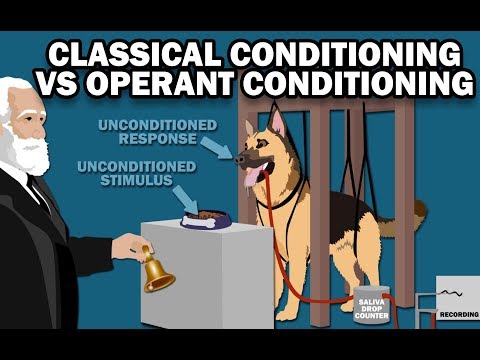
You know how sometimes you do something and get a reward, which makes you wanna do it again? That’s kinda the heart of operant conditioning. It’s a big term, but really, it just means learning through consequences.
Think about when you were a kid. Maybe you cleaned your room, and your parents gave you extra screen time. Score! You learned that cleaning leads to good things. Simple, right?
So, in psychology and mental health, this stuff is super important. It helps us understand behaviors and why some stick around while others fade away. Plus, it can even help in therapy!
Let’s break it down together and see how this all plays out in our everyday lives. You’re gonna find it pretty relatable!
Understanding Operant Conditioning in Therapy: Practical Examples and Applications
Operant conditioning is a powerful concept in psychology that’s all about how behaviors are influenced by consequences. It’s like when you get rewarded for good behavior, so you do it more often. But if you face some sort of punishment, well, that might just steer you away from that behavior in the future. You follow me?
Skinner and Reinforcement
The idea comes from B.F. Skinner, a big name in psychology. He thought that instead of just responding to stimuli (like what happens in classical conditioning), we actually learn through reinforcement. Reinforcers can be positive or negative.
- Positive reinforcement: This is when you get something nice after a behavior, like praise or treats for your dog when they sit on command.
- Negative reinforcement: Here, you remove something unpleasant as a reward for doing the right thing; think about taking painkillers to ease a headache – the headache goes away!
In Therapy
When it comes to mental health therapy, operant conditioning shows up quite a bit. Therapists often use these principles to encourage healthier behaviors and reduce harmful ones.
Take someone with anxiety who avoids social situations. A therapist might help them gradually expose themselves to social settings while providing positive reinforcement—maybe rewarding them with some fun activity afterward if they attend an event.
Or picture a kid who struggles with anger issues. A therapist could set up a system where for every week they manage their anger without outbursts, they earn points toward something they really enjoy. It’s all about making progress feel rewarding!
Practical Applications
Here’s where operant conditioning shines in day-to-day life:
- Behavioral Contracts: These are agreements between clients and therapists outlining specific behaviors and rewards for achieving them.
- Differential Reinforcement: Instead of punishing bad behavior, therapists focus on reinforcing good behavior while ignoring unwanted actions.
Imagine someone trying to quit smoking. Instead of just being told “don’t smoke,” their therapist could help them create a plan where each week without smoking earns them something cool or fun—a new gadget or dinner out with friends.
Another example? Think of pet training! When training your pup not to bark at strangers, giving treats when they stay quiet does wonders! It’s exactly the same principle we see in human therapy too!
In summary, operant conditioning isn’t just theory; it’s actively used to shape behaviors every day in therapeutic settings. It’s all about understanding how rewards and consequences affect our choices, making therapy more effective and real-world applications more relatable! Just remember: positive vibes lead to positive changes!
Mastering Operant Conditioning: Effective Techniques for Enhancing Therapy Sessions
Operant conditioning is a big part of how we think about changing behavior in therapy. Basically, it’s all about rewards and consequences. When you learn that certain behaviors get you something good or help you avoid something bad, you’re more likely to do them again. It’s like when my friend got a high-five every time she did her homework—all those good vibes made her want to keep going!
In therapy, you can use this technique to help clients build new habits or change unhelpful ones. Here are some effective methods for making operant conditioning shine in therapy sessions:
- Positive Reinforcement: This is the star of the show! It involves rewarding a client for positive behavior. For instance, if someone shows up on time for sessions, maybe celebrate that with verbal praise or a small token. You know what I mean? Encouragement can go a long way!
- Task Analysis: Break down larger goals into smaller steps. That way, when they achieve each mini-goal, they can be rewarded for it! Let’s say a client wants to socialize more; starting with just saying hi to someone new could be the first step. Each little victory can get some love!
- Behavior Contracts: This is where both the therapist and client agree on specific behaviors and rewards. Like, if the client sticks to their homework for two weeks straight, they might earn an extra session focused just on something fun or relaxing.
- Shaping: You know how different animals learn tricks? It’s kind of like that! Gradually reinforce closer and closer approximations of the desired behavior until they nail it. For example, if someone wants to stop negative self-talk, you could start by acknowledging even small shifts in thought. Progress is progress!
- Consequences: While rewarding good behavior is key, sometimes discussing what happens when old habits creep in can be powerful too—like missing out on social plans due to anxiety spikes. Making clients aware of those costs can motivate change.
Incorporating operant conditioning into therapy isn’t just about dangling carrots; it’s about finding what truly works for each individual client and helping them learn in a supportive environment. The real beauty lies in seeing clients realize their potential through these techniques.
But don’t forget: this isn’t magic! It takes time and patience for new behaviors to click into place—just like learning any new skill. Keep cheering them on and celebrate each step of the journey together.
So while operant conditioning might come from psychology textbooks or classroom lectures, its real power happens when it meets people where they are—turning those ideas into actual life changes every day!
Understanding the 5 Key Principles of Operant Conditioning in Psychology
Operant conditioning is a big deal in psychology. It’s all about how behavior is shaped by the consequences that follow it. You could say it’s like a science of rewards and punishments. Let’s break down the five key principles that make this concept so crucial for understanding how we learn and change behaviors.
- Reinforcement: This is where things get interesting! Reinforcement happens when you do something, and the outcome makes you want to do it again. It can be positive or negative. Positive reinforcement is getting a treat for good behavior, like when kids get praise for cleaning their room. On the flip side, negative reinforcement could mean removing an unpleasant task when a desired behavior occurs, like not having to do chores if homework is finished.
- Punishment: Not every outcome is a good one. Punishment is meant to reduce unwanted behavior. Positive punishment adds something unpleasant; think of getting nagged after breaking curfew—definitely not fun! Negative punishment takes away something desirable, like losing privileges after failing grades. The idea is to teach a lesson through discomfort.
- Extinction: This principle comes into play when a behavior that was once reinforced stops being rewarded or punished. Let’s say your dog learned that barking gets them treats—but then you stop giving treats for barking. Eventually, Fido will stop barking because he learns it’s no longer effective! It’s kind of like how we can grow tired of something if we don’t see any payoff.
- Schedules of reinforcement: This part gets into the timing and frequency of rewards or punishments. There are different ways to reinforce behaviors—like rewarding someone every time they perform an action (continuous) versus rewarding after several performances (partial). For example, think about slot machines; they pay off occasionally rather than every time you play, which keeps people hooked!
- Shaping: This principle involves gradually guiding someone toward a desired behavior by reinforcing successive approximations of that behavior. Picture teaching a child to tie their shoes—you start by praising them just for touching the laces, then for crossing them over, and so on until they get it right! It’s all about patience and small wins along the way.
The importance of operant conditioning really shows up in areas like mental health treatment too—for example, in therapies that modify behaviors through reward systems or addressing maladaptive responses with controlled consequences. By understanding these principles, we can figure out what makes us tick and how to change our habits more effectively.
You see? Operant conditioning isn’t just some academic term; it’s all around us every day! Whether you’re training your pet or trying to change your own habits, these principles are key players in life’s learning game.
So, operant conditioning, right? It’s one of those big concepts in psychology that can feel a bit like a fancy term for something we all kinda get. The idea is pretty simple: behaviors are influenced by the consequences that follow them. If something feels good, you’re likely to do it again. If it feels bad, well, you probably won’t.
I remember back when I was in college, we had this class where we did an experiment on it. We had a little lab rat named Marvin (creative name, I know). Every time Marvin pressed this lever, he got a tasty treat – think mini chocolate chips. But if he pulled the lever too many times too quick? No treats! Just some annoying sound. It was fascinating! Marvin learned super fast what not to do and what to chase after. It just clicked for me; we’re like little Marvins in our own lives sometimes!
Now, when you think about mental health, operant conditioning really pops up everywhere. It can help explain why someone might keep engaging in certain behaviors or habits – both good and bad. Like if someone finds comfort in reaching out to a friend when they’re feeling down and gets positive feedback from that friend, they’re likely going to keep doing it. On the flip side, if they avoid social situations and feel relief but later regret missing out? That can create a cycle of avoidance.
Therapists often use operant conditioning techniques without even realizing it sometimes! Rewarding good behaviors during therapy sessions or helping clients understand how their actions lead to specific outcomes can spark real change. It’s like shining a light on the choices we make every day.
But here’s the thing: it isn’t always easy because life is messy! You might find yourself stuck in negative patterns without realizing how they developed or why they’re continuing. I mean, think about habits like scrolling through social media instead of studying… that’s rewarding sometimes (hey, those cute cat videos really hit home), but it can also lead to regret later.
So while operant conditioning gives us this cool framework to understand behavior better—whether it’s at work or while trying to manage stress—it’s super important to approach it with compassion for ourselves and others along the way. We’re not just rats pressing levers; we’re complex beings navigating a world full of choices—and each choice shapes us more than we realize!