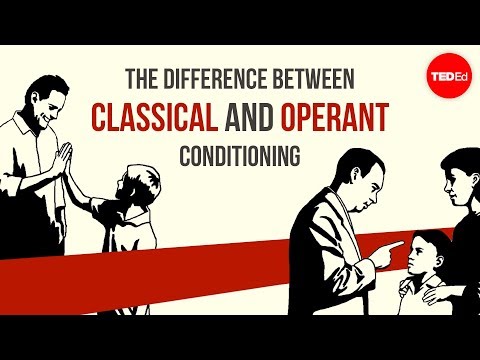
You know that feeling when you just can’t seem to shake a habit? Whether it’s biting your nails or scrolling through your phone all night? Yeah, we’ve all been there.
Well, there’s this neat thing called operant conditioning therapy. It’s not as intimidating as it sounds, promise! Basically, it’s all about understanding how rewards and consequences shape our behaviors.
Imagine getting a gold star every time you do something positive. Pretty motivating, right? Or maybe realizing that certain choices lead to not-so-great outcomes.
So, if you’re curious about changing behaviors—yours or someone else’s—this could be the game changer. Let’s explore how it works and why it might just be what you need!
Mastering Behavior Change: A Guide to Using Operant Conditioning Techniques
So, let’s chat about operant conditioning, which is all about **mastering behavior change**. You know, it’s that psychological idea that **you can shape behaviors** by using rewards or consequences. Sounds cool, right? Here’s the thing: if you want to change your behavior or help someone else do it, operant conditioning is like having a toolbox full of handy tools.
What is Operant Conditioning? Basically, it’s a learning process where the strength of a behavior is modified by its consequences. If something good happens after an action, you’re likely to do it again. If something not-so-great happens? Well, you probably won’t want to repeat that.
Positive Reinforcement: This technique involves giving someone a treat or reward for behaving the way you want them to. For instance, if a kid finishes their homework and you give them ice cream afterward, they’re more likely to do their homework in the future. It’s all about making them feel good!
Negative Reinforcement: Now this one can be tricky since «negative» sounds bad. But really, it just means removing something unpleasant when the desired behavior occurs. Like, if you take pain meds and your headache goes away because of it, you’re gonna remember to take those meds next time!
Punishment: There are two types here—positive punishment (adding something undesirable) and negative punishment (removing something desirable). Let’s say your dog chews up your shoes. If you scold him (positive punishment), he might stop chewing shoes because he associates it with your disapproval. Or maybe you take away his favorite toy when he misbehaves (negative punishment). Both aim to decrease unwanted behaviors.
Shaping: This involves reinforcing successive approximations of a desired behavior. It sounds fancy but basically means rewarding steps toward the big goal! For example, if you’re teaching a dog to fetch and he just picks up the ball at first without bringing it back—you reward him for bringing it closer each time until he nails the full fetch!
But here’s an important part: consistency is key. You’ve got to be steady with rewards and consequences so things don’t get confusing. Imagine if every time you did your homework and got ice cream sometimes but not others—you’d probably feel lost about what actually gets you the treat!
Another cool thing about operant conditioning is its applications in therapy settings. It’s used in **behavioral therapy** for people dealing with everything from anxiety disorders to substance abuse problems—helping change those behaviors by applying these techniques.
Also worth mentioning: **it depends on individual differences**—what works like magic for one person might not even budge another! That’s why understanding what motivates someone can make all the difference.
In summary, operant conditioning gives us some powerful tools for changing behavior through consequences and rewards—understanding what works well helps create lasting change while keeping things positive along the way!
Understanding Operant Conditioning Techniques in Behavior Therapy: A Comprehensive Guide
Operant conditioning is all about how our behaviors are shaped by consequences. So, when you’re thinking about behavior therapy, operant conditioning techniques are pretty much at the core. These techniques can help you change certain behaviors by using rewards and punishments. It’s like training a pet, but for people!
Positive Reinforcement is one of the main tools in this toolbox. Basically, if you do something good and get rewarded for it, you’re more likely to do it again. For example, let’s say a kid finishes their homework on time and gets praised or even a little treat. That kid begins to associate finishing homework with positive feelings.
Negative Reinforcement sounds complex but really isn’t. It means taking something unpleasant away when a desired behavior happens. Think about it: if wearing a seatbelt keeps you from that annoying beeping sound in your car, you’re more likely to buckle up every time you get in.
Then there’s Punishment. This one can seem tricky because it doesn’t always lead to the best outcomes. You’ve got two types here: positive punishment adds something unpleasant, while negative punishment takes away something pleasant. If your friend is constantly late and you stop inviting them out (negative punishment), they might start showing up on time just to hang out again!
You know what else is cool? There’s also something called extinction. This happens when a behavior that was previously reinforced stops getting rewarded over time and eventually fades away. Picture a dog doing tricks for treats—if the treats stop coming, the dog will likely lose interest in performing those tricks.
In therapy settings, operant conditioning can be super effective for various issues like anxiety disorders or ADHD. For instance, creating a reward system where kids earn points for good behavior can help manage impulsivity or improve focus.
Token economies are another neat concept from this world of reinforcement strategies. Kids earn tokens for specific behaviors they exhibit—like following classroom rules or completing assignments—and then trade those tokens for privileges or rewards later on.
But here’s the real kicker—it’s crucial to approach this with balance and care! Using these techniques too harshly or inconsistently can lead to confusion or frustration instead of the desired change.
So yeah, when thinking about changing behaviors—whether it’s in therapy or just day-to-day life—operant conditioning techniques provide powerful tools that harness motivation effectively. By understanding how rewards and consequences shape actions, you can make real strides toward positive change in yourself or others!
Mastering Behavior: The 5 Key Principles of Operant Conditioning Explained
Alright, let’s talk about operant conditioning. It’s like one of those secret weapons in psychology. The idea is simple: behavior can change based on the consequences that follow it. Seriously, what you do impacts what happens next. Here’s a closer look at some key principles of operant conditioning that can make a big difference in transforming behavior.
Positive Reinforcement: This is when you add something good after a behavior to increase the chances of that behavior happening again. For example, if your kid cleans their room and you give them praise or a little treat, they’re more likely to clean up again next time. It’s all about making good behaviors more appealing.
Negative Reinforcement: Now, this isn’t punishment! It’s about removing something bad to encourage a behavior. Imagine you have a headache and take some medicine; once the headache goes away, you’re likely to take that medicine again when the pain comes back. You see? You’re reinforcing the action by taking away discomfort.
Punishment: This one’s tricky but important. Punishment is meant to decrease a behavior by adding something negative or taking away something positive. Like, if your dog chews your shoes and you scold them or take away their favorite toy when it happens, you might stop the shoe-chewing habit—hopefully! But remember: punishment can lead to fear or resentment if it’s not done right.
Extinction: This principle happens when a previously reinforced behavior is no longer rewarded or punished and gradually fades out. Let’s say you used to get lots of attention for telling jokes but then people stop laughing—it might make you less inclined to be funny over time because the reinforcement just isn’t there anymore.
Shaping: This is all about gradually teaching someone a new behavior by rewarding small steps toward that goal. Picture this: you’re training your dog to do tricks. At first, maybe just getting them to sit earns them a treat, then moving up to rolling over once they’ve got sitting down pat! It’s all about celebrating progress along the way.
Operant conditioning therapy takes these principles and applies them in real-world settings—stuff like education, parenting, or even therapy itself can benefit from understanding these concepts better. You want behaviors? Reinforce ‘em wisely!
Okay, so let’s talk about operant conditioning therapy. This is one of those psychological approaches that can seem a bit out there at first, but stick with me. It’s all about how we can shape our behaviors using rewards and punishments. I mean, think about it: you’ve probably done this in your own life without even realizing it.
Imagine a kid who gets a cookie every time they clean their room. That little cookie acts like a reward that makes them want to clean more often. Pretty clever, right? On the flip side, if they’re not doing their chores, maybe some favorite toy gets taken away for a while as a punishment. So they learn to associate their actions with certain consequences.
I remember when my niece was learning to ride a bike. At first, she was falling all over the place and getting super frustrated. But her dad promised her ice cream every time she made it around the block without crashing! Those little moments of success became this awesome motivator for her. Soon enough, she was riding like a pro—and craving that ice cream!
In therapy settings, operant conditioning can help change habits or behaviors that might be causing issues in someone’s life. You know, if someone is trying to quit smoking or deal with anxiety, positive reinforcement can encourage them to stick with it or try new coping strategies.
But here’s the thing: it’s not just about the rewards or the punishments themselves; it’s also how you make them meaningful. Like with my niece—ice cream wouldn’t have been half as motivating if she didn’t love it so much! So when therapists use this technique, they really try to figure out what resonates most with the person they’re working with—what’s going to truly inspire change.
Of course, no method is perfect. Sometimes people don’t respond as well as expected or may feel overwhelmed by expectations to earn rewards constantly. And honestly? That’s totally okay! It’s all part of figuring out what works best for you or someone you care about.
At its core, transforming behavior through operant conditioning therapy can be super effective when done right. It’s just kinda magical how small shifts in how we respond can lead to big changes in our lives—or in someone else’s life too!