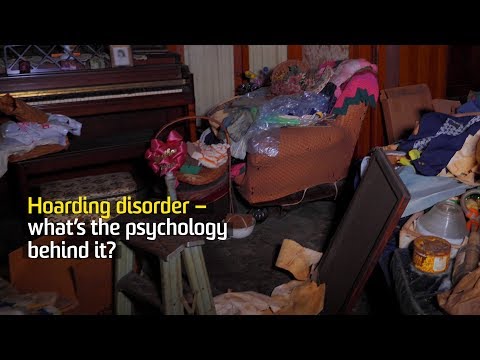
You know when you see those reality shows about hoarders? It’s wild, right? You think, “How can someone let it get that bad?” But here’s the thing. There’s a lot more going on behind that clutter than meets the eye.
Hoarding isn’t just about stuff. It’s tied to emotional struggles and mental health issues that many people face. Seriously, it can be tough to understand if you haven’t been there yourself.
Imagine holding onto things because they remind you of something, or the fear of letting go just feels too big to handle. That’s where the struggle starts. It’s messy—literally and figuratively.
So, let’s dig into this a bit. What really drives someone to hoard? And what can we learn about these psychological battles?
Understanding Hoarding: The Psychological Factors Behind Compulsive Accumulation
Hoarding is one of those topics that can seem a bit strange from the outside. Like, why would anyone keep piles of newspapers or old clothes? The thing is, there’s a lot more going on than just collecting stuff. Let’s take a look at what drives this behavior and the emotional struggles behind it.
Psychological Factors at Play
You might not be aware, but hoarding is often tied to deeper psychological issues. For many people, it’s not just about being disorganized; it can be linked to conditions like anxiety disorders, depression, or even trauma. Imagine someone who holds on to their grandmother’s old letters. For them, those letters are more than paper; they’re pieces of family history, comfort, and connection to better times.
One key factor is the feeling of control. When life feels chaotic or unpredictable, keeping things can create a sense of stability. You know how sometimes you just want to hold on to something tangible when everything else feels shaky? Yeah, that’s kind of what happens here.
The Emotional Connection
Hoarders typically form strong emotional attachments to their belongings. Each item can spark memories or feelings that become hard to separate from their identity. Let’s say you have an old toy from childhood—something that reminds you of happier days or simpler times. Now imagine that feeling spread out over countless items. It’s overwhelming!
Another huge piece is fear—fear of loss or fear of needing something in the future but not having it when the time comes. That fear can lead individuals to accumulate way more than they actually need.
Societal Influences
Society also plays a role in hoarding behaviors. You know how we’re all told we should keep our homes tidy and minimal? Well, for someone who struggles with hoarding, that societal pressure can turn into shame and isolation. They might feel judged by others for their clutter and retreat even deeper into their habits because they’re afraid no one will understand.
Plus, let’s not forget about cultural factors! Different cultures have different views on possessions and what it means to hold onto things. In some places, collecting isn’t just acceptable; it’s celebrated! This perspective can make it hard for individuals dealing with hoarding tendencies in societies that prioritize minimalism.
Help and Healing
So, what’s the takeaway here? Hoarding isn’t just about stuff; it’s an intricate web of emotional struggles and psychological factors that go well beyond simple disorganization. If you know someone who’s wrestling with this issue (or if you are), remember: empathy goes a long way.
When it comes down to it, addressing hoarding often requires professional support—like therapy aimed at helping people process their emotions around attachments and learn coping skills for letting go.
In summary, navigating the world of hoarding is complex but understanding the psychological underpinnings makes all the difference! Just remember: support and patience are key for anyone facing these challenges.
Understanding the Link Between Hoarding and Personality Disorders: Key Insights
Hoarding can feel like this overwhelming puzzle. You might know someone, or even struggle yourself, with holding onto stuff that just piles up. It’s not just about stuff—there’s a deep emotional and psychological layer to it. The connection between hoarding and personality disorders? Well, it’s pretty interesting and complex.
First off, let’s talk about hoarding disorder. This isn’t just a quirky habit of keeping old newspapers around. It’s classified as a mental health condition where people find it hard to get rid of items, leading to clutter that disrupts their lives. Often, this behavior is linked with emotional distress, feelings of anxiety, or even depression.
Now, when you bring in personality disorders, things get a bit more layered. Not everybody who hoards has a personality disorder, but some do have traits from conditions like obsessive-compulsive personality disorder (OCPD) or avoidant personality disorder (AvPD). Here’s how these can play into hoarding:
So it’s not just the physical clutter; it’s the emotional baggage too. You see someone holding onto old clothes or broken gadgets? There might be an underlying reason tied to feelings of loss or trauma.
Let’s share an example—you know someone who keeps every single birthday card received since childhood? On the surface, it seems sentimental. But for them, those cards might represent love and connection they fear losing forever.
And here’s something crucial: alongside these personality traits, many people struggling with hoarding also deal with anxiety and depression. They often struggle to manage emotions related to letting go of items—feeling guilt over throwing away gifts or fear that getting rid of something means losing its associated memory.
Treatment? Well, it usually involves therapy approaches like Cognitive Behavioral Therapy (CBT), which helps people work through their thoughts and beliefs around their possessions. It’s all about understanding why you hold onto things in the first place—and then finding healthier ways to cope.
To wrap it up: while not every person who hoards has a personality disorder or struggles emotionally in the same way—it all comes together more than we realize. So next time you notice those stacks piling high somewhere—in your home or in someone else’s life—remember there might be more going on under the surface than meets the eye.
Effective Strategies to Support a Hoarder in Organizing Their Space
Supporting a hoarder in organizing their space is a delicate journey. It’s not just about tackling clutter. There’s a lot going on underneath the surface, and understanding that can make all the difference.
First off, remember that emotions play a huge role. Hoarding often stems from past experiences, anxiety, or even trauma. When you approach someone dealing with this issue, it’s crucial to be empathetic. You might say something like, “I understand it’s tough to let go of things.” It shows you care.
Here are some strategies that might help:
Now, I remember this one time when I was helping a friend who had trouble parting with old magazines. We sat down together with just one stack—no distractions—and talked about why each magazine was important to her. That way she made choices based on memories without feeling pressured.
Another essential part is patience. Change doesn’t happen overnight—especially when it comes to deeply rooted behaviors like hoarding. Celebrate progress along the way! If they manage to clear out even just one item after hours of sorting, make sure they know it’s an accomplishment.
Also, consider a support network. Sometimes professional help is needed—therapists specializing in these behaviors can offer strategies tailored specifically for them.
Helping someone organize their space isn’t just about tidying up; it’s about really understanding their world and supporting them in ways that promote healing and growth. Being there for your loved one is invaluable; every little step counts in this process!
You know, when we think about hoarding, it’s easy to picture that one show where they just have piles of stuff everywhere. Like, seriously, how could anyone let their space get like that? But the thing is, it goes way deeper than just clutter. Organized hoarding behavior is actually tied to some pretty intense psychological struggles.
Imagine this: someone who hoards might feel an overwhelming sense of anxiety or even a bit of a thrill when they accumulate things. It’s almost like each object holds a piece of their identity or memories. I remember talking to a friend whose aunt had a collection of old newspapers. To her, those papers weren’t just trash; they were stories frozen in time. But over time, that collection became something more—an anchor that kept her from letting go of the past.
So what happens is, for many individuals dealing with this kind of struggle, it can be rooted in feelings of loss or trauma. Maybe they had experienced something that made them feel out of control in their lives and holding onto all those items gives them a sense of security. It might sound strange to us on the outside, but in their world, it makes total sense.
And then there’s the social aspect. Hoarders often face judgment from others—like family and friends who don’t get why they hold onto so much stuff. That can make the situation even worse because isolation can creep in. They might push people away rather than let them see their reality.
There’s also this idea of perfectionism at play. For some folks, everything needs to be just right before they can throw something away or even organize what they’ve got piled up. They might think about all the possibilities those items could hold—future projects or sentimental moments—and that can make it tough to part with things.
But here’s where it gets tricky: while organized hoarding might appear manageable on the surface—for instance if everything’s sorted neatly into bins—it doesn’t mean everything’s okay underneath. The pressure to keep their collections organized can lead to stress and sometimes even shame about not being able to live freely in their own space.
It really brings home how our relationship with stuff isn’t merely about material possessions; sometimes it reflects so much more—our emotions, our histories, and our fears. So next time you see someone struggling with hoarding behaviors—or maybe you’re dealing with it yourself—know there’s likely a deeper story behind all those stacks and boxes. You get that? It’s not just stuff; it’s intertwined with who we are and once was!