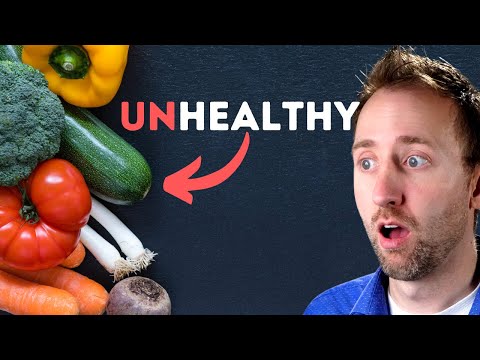
So, let’s talk about this thing called orthorexia. Ever heard of it?
It’s kinda like an obsession with healthy eating, but like, to a whole new level. People get super focused on what they eat and can start avoiding certain foods like they’re the plague. Crazy, right?
But here’s the kicker: it’s not just about food. There’s a lot going on under the surface. This thing can really mess with your head and your life.
Imagine constantly stressing over every bite you take. That sounds exhausting! And it can get really complicated emotionally, too.
Let’s unpack this together and see what it’s all about. You in?
Understanding Orthorexia: Key Risk Factors to Watch For
Orthorexia is one of those terms you might hear more about lately, right? It’s basically when someone becomes obsessed with eating healthy food to the point that it can seriously affect their life. It’s not just about being healthy; it becomes an all-consuming thing. And if you’re curious about the risk factors that can lead to this, let’s break it down together.
First off, what drives someone to develop orthorexia? Well, there are a few key elements at play here:
1. Perfectionism: If you’re someone who feels like everything needs to be just right, it could lead you down the path of orthorexia. You might start thinking that if you can’t eat perfectly clean, then you’re failing. That black-and-white thinking can be slippery.
2. Anxiety and Stress: Ever notice how stress makes people latch onto certain habits? For some, this means obsessing over their diet as a way to cope. Control over food might feel like the only thing they can manage when everything else is chaotic.
3. Social Influences: In today’s world, there’s so much pressure from social media and friends about what’s considered «healthy.» You see influencers promoting certain diets or lifestyle changes as if they hold the secret to happiness. This pressure can skew your view on what eating well really means.
Now onto some more personal aspects that might play a role:
4. Low Self-Esteem: People with low self-esteem might use strict eating habits as a way to gain some sort of control or validation. If they stick to rigid dietary rules, they may think it will make them feel better about themselves.
5. Previous Eating Disorders: If someone has struggled with other eating disorders in the past, they might be at risk for orthorexia too. It’s kind of like a cycle—one unhealthy habit leads to another under the guise of healthiness.
And let’s not forget how our culture views health and body image—there’s a huge emphasis on looking a certain way and being fit at all costs!
One real-life example hit home for me recently—a friend became increasingly anxious about every meal she had because she was following this strict «clean» eating regimen she saw online. She started avoiding social gatherings where food was served because she couldn’t guarantee it aligned with her eating rules. That kind of isolation can be tough!
In summary, orthorexia isn’t just about wanting to eat healthily; it’s deeply connected to emotional and psychological factors too! By understanding these key risk factors—like perfectionism or low self-esteem—we can start having conversations around healthier relationships with food and self-acceptance instead of shame or fear surrounding our choices.
It’s important we keep talking about this! Awareness is key in helping those who might be struggling quietly—because nobody should feel trapped by their quest for health!
Understanding the Consequences of Orthorexia: How Extreme Healthy Eating Impacts Mental Health
Orthorexia is a term that gets thrown around a lot these days, but seriously, it’s important to understand what it really means. It’s basically an obsession with healthy eating that can spiral into something way more serious. Imagine being so focused on eating only “pure” foods that it starts to mess with your life. Sound familiar?
When people have orthorexia, they often believe they’re making the best choices for their health. You know, like choosing quinoa over white rice or skipping dessert altogether. While being mindful of your diet isn’t bad, getting obsessed can lead to some not-so-great mental health consequences.
First off, there’s anxiety. If you find yourself stressing out about every little thing you eat, it can create constant tension in your life. Picture this: you go out with friends and your favorite dish has some ingredients you’re not sure about—suddenly it feels like a major crisis. That panic can grow fast.
Then comes isolation. A lot of folks with orthorexia start avoiding social situations because they fear what food will be served. You might miss out on fun hangouts or family gatherings just because you’re worried about sticking to your strict diet. It’s tough when food becomes a barrier between you and the people you care about.
Another consequence is guilt. Maybe you accidentally eat something “unhealthy” or treat yourself once in a while—suddenly you’re beating yourself up over it! This cycle of guilt can make anxiety even worse, turning what should be an enjoyable experience into a total nightmare.
And let’s not forget about perfectionism. A strong desire to eat only “clean” foods can lead to unrealistic expectations. If you slip up even once, it can feel like such a huge failure that instead of just moving on, you end up stuck in negative thoughts about yourself.
On top of all this emotional stuff, we’ve got the physical impacts. The obsession with what’s deemed “healthy” can lead to serious nutritional deficiencies. You might end up missing out on essential nutrients because you’re avoiding certain food groups completely! That hardly seems fair when you’re trying to do what’s best for your body.
There’s also the risk of developing other conditions like eating disorders, if things spiral out of control. What starts as wanting to eat healthy could turn into something much more dangerous if the focus shifts completely away from balance and joy in eating.
In a nutshell, while wanting to eat healthy is totally cool, when it turns into an unhealthy obsession like orthorexia, it can seriously impact both your mental and physical health. At the end of the day, finding balance is key—so enjoy that slice of pizza now and then without feeling guilty! Life’s way too short for that kind of stress around food!
Understanding Orthorexia: An Insightful Example of an Unhealthy Diet
Orthorexia is one of those terms that, while kind of new, is super important to understand. It’s not just about eating healthy; it’s when being health-conscious turns into something a lot more restrictive and, well, unhealthy. Imagine worrying so much about what you eat that it starts to take over your life. That’s where orthorexia kicks in.
So, what’s the deal with orthorexia? Basically, people with this condition become obsessed with eating only “pure” or “healthy” foods. They might cut out entire food groups or get a bit frantic about reading labels. The anxiety around food choices can become overwhelming.
Imagine Sarah, a friend who used to enjoy pizza nights and dessert parties without a second thought. Seriously! But over time she became fixated on every calorie and nutrient. She would constantly research ingredients and obsessively plan her meals based on strict rules she set for herself. This started ruining her social life because she avoided going out to eat or even getting together with friends who didn’t share her rigid views on food.
There are some red flags that can indicate someone may be struggling with orthorexia:
- Extreme dietary restrictions: Only eating organic or avoiding certain food groups entirely.
- Self-worth tied to diet: Feeling proud or superior for eating clean but guilty or ashamed about any slip-ups.
- Avoidance of social settings: Skipping parties or outings because the food options aren’t “healthy” enough.
- Obsessive behavior: Spending excessive time planning meals and reading labels.
You see how this can spiral? Orthorexia isn’t officially recognized as an eating disorder in the DSM-5 yet, but it’s definitely something that can mess with your mental health big time. With all the focus on perfectionism in dietary choices often comes anxiety and guilt, which is not exactly the path to healthy living!
And while everyone wants to be healthy—like finding balance is key—when you’re obsessing over what’s healthy, it becomes counterproductive. That «clean» diet can turn into a prison of sorts instead of being liberating.
A lot of therapy approaches focus on helping individuals recognize these patterns in thinking and behaviors related to food. Cognitive-behavioral therapy (CBT) is one method that can really help people understand their relationship with food better and work toward making it less stressful.
In a nutshell, understanding orthorexia means recognizing that while striving for health isn’t bad at all, when it starts taking over your life? Well, that’s where we need to hit pause and check things out further! Your relationship with food should enhance your life—not dominate it!
Orthorexia, huh? It’s one of those terms that feels a bit fancy, but it really boils down to something pretty relatable. Picture this: you’re scrolling through social media, and every post is about the latest health craze or food trend. It’s easy to get swept up in the obsession with eating perfectly healthy meals—so much so that you can lose sight of what eating is really about: nourishment and enjoyment.
I remember a friend of mine who got super into clean eating. At first, it seemed great; she was trying new recipes and exploring fresh ingredients. But soon enough, it spiraled. If she couldn’t find organic kale or was out with friends and there were no “acceptable” options on the menu, it wasn’t just a disappointment—it became a full-blown crisis for her. She felt anxious, sometimes even angry, thinking about how she was “failing” her strict food rules.
So here’s the thing: orthorexia isn’t just about food choices; it dives deeper into our mental space. When someone gets fixated on making their diet flawless, it can stem from a need for control or even self-worth tied to how “healthy” they are. You might notice they start isolating themselves because dining out becomes stressful or embarrassing if they can’t keep up their rigid standards.
Psychologically speaking, this fixation can really mess with your head. Anxiety and guilt become constant companions at mealtime instead of enjoying food as a source of pleasure or connection with others. The pressure to be perfect can lead to feelings of shame if one slips up—like if you eat a slice of cake at a birthday party and suddenly feel like you’ve committed some kind of crime.
And let’s not forget that orthorexia isn’t officially recognized as an eating disorder in the same way anorexia or bulimia is. But its implications are serious! It highlights how our relationship with food can be influenced by societal pressures—like those pesky ideals about health that seem to change by the day.
In short, while wanting to eat healthy is all good and well—the line between being health-conscious and getting obsessive is thin. So maybe next time someone talks about their latest “clean” diet fad, we should remember: balance is key! Eating should nourish not just our bodies but our souls (and sometimes cake is part of that).