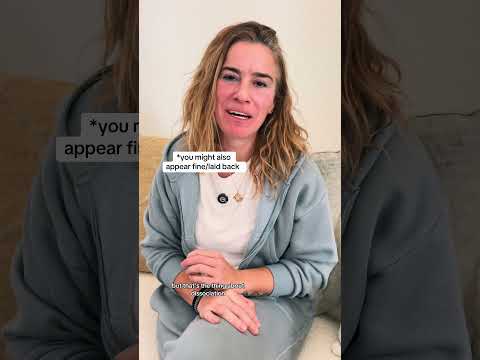
So, you know how some days you just feel kinda off? Like, you’re there but not really? That’s actually more common than you might think.
One thing that can mess with your head is a condition called OSDD 1. It stands for Otherwise Specified Dissociative Disorder 1. Sounds fancy, huh? But don’t worry, we’ll break it down together.
People with OSDD 1 often experience strange feelings and memories. It’s like your mind is playing tricks on you. And honestly, it can be pretty confusing.
You might find yourself wondering if you’re just having a rough time or if there’s something deeper going on. If that sounds familiar, keep reading! Let’s figure this out together.
Understanding OSDD: Symptoms, Causes, and Treatment of Otherwise Specified Dissociative Disorder
Understanding OSDD, or Otherwise Specified Dissociative Disorder, can feel kind of overwhelming at first, but let’s break it down into bite-sized pieces. It’s a lesser-known condition within the dissociative disorders category. So, you might be wondering, what does that even mean? Well, OSDD shows up when someone experiences dissociation but doesn’t fit neatly into other diagnoses, like PTSD or DID (Dissociative Identity Disorder).
Symptoms of OSDD can vary pretty widely from person to person. You might struggle with things like:
- Dissociative amnesia: This is when you forget personal information or events. Picture this: someone suddenly can’t recall a traumatic event that everyone else remembers clearly.
- Depersonalization: You know that feeling when you’re watching yourself from outside your body? That’s depersonalization. It can feel really uncomfortable.
- Derealization: This is like looking at the world through a foggy lens. Everything feels strange and unreal.
But here’s the kicker—while these symptoms are significant, they don’t always meet the criteria for other dissociative disorders. So if you’re feeling lost in your own mind but not sure why, it could be OSDD.
Now let’s chat about causes. It’s often rooted in severe trauma or stress during childhood. Imagine growing up in a chaotic home where emotional safety was scarce; your brain might try to cope by disconnecting from reality—even if it’s just to get through the day. Other potential triggers include ongoing abuse or neglect and significant life changes that bring about overwhelming stress.
When thinking about treatment, know that you’re not alone in this journey. Therapy tends to be the cornerstone here and usually involves approaches like:
- Cognitive Behavioral Therapy (CBT): This helps reframe negative thinking patterns and address specific behaviors linked to your feelings of dissociation.
- Trauma-focused therapies: Things like EMDR (Eye Movement Desensitization and Reprocessing) can work wonders for processing trauma.
- Mindfulness and grounding techniques: These help bring you back to the present moment when you’re feeling detached from reality.
If medication becomes necessary—which some people find helpful—it’s mainly to manage symptoms related to anxiety or depression rather than treating OSDD itself.
So yeah, understanding OSDD is all about recognizing those symptoms, getting a handle on what causes them, and finding effective ways to cope with them through therapy and support networks. Remember that healing isn’t linear; it takes time! But with the right treatment and support system, there’s definitely hope for brighter days ahead!
Understanding Dissociation: What It Physically Feels Like and How to Recognize It
Dissociation can be a tricky thing to understand, especially since it’s not something you can see on the outside. It’s like, one moment you’re there, and the next, you feel completely out of it. You know what I mean? It’s that weird feeling where your mind feels like it’s taking a little vacation, while your body just stays behind.
So, what does dissociation actually feel like? Well, imagine you’re watching a movie of your life but from way far away. You’re there, but it’s like you’re not really *in* it. This can lead to feelings of detachment from yourself or your surroundings. Some people describe it as feeling like they’re floating above their bodies or watching themselves from a distance.
Now let’s get into some specifics about how to recognize when dissociation is happening:
- Feeling Disconnected: You might notice times when you don’t feel connected to yourself or reality. Maybe during stressful moments or even in everyday situations.
- Memory Gaps: Sometimes people experience gaps in their memory where they can’t recall things that happened over a period of time. Like missing chunks of a conversation.
- Altered Sense of Time: Time may seem to move differently for you. Hours can pass and feel like mere minutes or vice versa.
- Physical Sensations: Many say they feel numb or as if their body isn’t fully theirs during episodes of dissociation.
And here’s something that might hit home—a friend once told me about how she felt dissociated during a difficult family dinner. While everyone was debating politics and laughing around her, she felt stuck in her own bubble. No one could see her struggle with anxiety; she was just “there,” but not really “there.”
Recognizing dissociation is important because it connects back to conditions like **OSDD-1** (Other Specified Dissociative Disorder 1). With OSDD-1, people might have different identities or parts that come forward at various times, which is pretty complex! Each part may have its feelings and memories associated with different experiences.
In terms of dealing with dissociation and OSDD-1, some tips include:
- Grounding Techniques: These are strategies to help you reconnect with your surroundings. Things like focusing on physical sensations—like wiggling your toes—can help pull you back into reality.
- Therapy: Speaking with someone who gets it can make all the difference. They can help guide you through understanding what dissociation means for you.
- Journaling: Writing down your thoughts and experiences can create clarity over time when dealing with those fuzzy feelings.
What happens is that understanding this stuff is super crucial for managing mental health more effectively. You’re not alone in this; many people navigate similar waters.
In short, if you’re starting to notice these signs of dissociation—especially if they interfere with daily life—don’t hesitate to reach out for help! It may just be the first step toward feeling more in control again.
Identifying OSDD: Key Signs and Symptoms to Look For
You know, the world of mental health can be pretty complex sometimes. One thing that often flies under the radar is OSDD, or Other Specified Dissociative Disorder. It’s not as widely discussed as some other conditions, but understanding it can really help if you or someone you care about might be experiencing it.
First off, OSDD is characterized by disruptions in consciousness, memory, identity, and perception. Let’s break that down a bit.
Key Signs of OSDD:
- Dissociative Experiences: You might feel like you’re observing yourself from outside your body or like things around you aren’t real. Imagine watching a movie of your life instead of living it. That detachment can be unsettling.
- Memory Gaps: One minute you’re in a conversation, and then suddenly it’s like someone hit pause and you’re blanking out on what just happened. It’s not just forgetting; it’s like entire chunks of time are missing.
- Identity Confusion: People with OSDD often struggle to know who they really are. Sometimes, they might feel like different parts of their personality are kind of battling it out without clear resolution.
- Emotional Numbness: You know that feeling when you’re just going through the motions? Things may seem muted or flat emotionally—like your feelings are turned down low on the volume dial.
- Coping Mechanism: Often, people develop these dissociative symptoms as a way to cope with trauma or stress. It’s almost like your brain is trying to protect you from something too painful to handle directly.
Now, let me share a little story to put this into perspective. There was this person named Jamie who started noticing odd gaps in their memory—like they’d go out for coffee and return home not remembering how they got there! At first, Jamie thought it was just stress from work or maybe getting older. But then things escalated; sometimes Jamie would find items in their house that they couldn’t remember buying at all! Eventually, after chatting with a therapist who understood OSDD better than anyone else in Jamie’s life had before, they realized those experiences were part of a bigger picture.
It can be challenging because many people don’t realize what they’re dealing with until it starts affecting their daily life more significantly.
So yeah, if any of this sounds familiar—like those moments when you’re talking but don’t quite feel present—it might be worth reaching out for some support from a mental health professional.
Remember, diagnosing OSDD isn’t straightforward; it’s often about ruling out other conditions first and really listening to your experiences and feelings over time. What’s important is that you’re not alone in this journey—help is available when you need it!
You know how sometimes you feel like you’re not completely yourself? Like there’s a piece of you that feels separate or different? That’s kind of what happens with OSDD 1, or Other Specified Dissociative Disorder. It’s important to recognize the symptoms, but understanding it can be a bit tricky.
Imagine a friend who seems fine on the outside, but then they have these moments where they zone out. They might forget where they are or even what they were talking about. This sense of disconnection can be really confusing. You see them one way, and suddenly they seem like someone else, trapped in their own head.
One common symptom is what’s called *derealization*, which is when the world feels unreal. It’s like watching your life from a distance. Then there’s *depersonalization*, which is feeling detached from your own body or thoughts. It’s unsettling, right? A bit like looking in a funhouse mirror—everything’s distorted and hard to grasp.
For someone with OSDD 1, this isn’t just a one-time thing; it can be chronic and really impact daily life. You might notice changes in how you remember things or connect with people. It’s not just forgetting names; think larger moments—like missing a birthday party because you weren’t really there mentally.
There’s also this feeling of having different identities or «alters,» though not all folks will experience that in the same way as someone with DID (Dissociative Identity Disorder). This can make things complicated because many might not even realize what’s happening until someone points it out—or until they start doing some serious reflection.
If you’re aware of these signs within yourself or those around you, that awareness is step one towards finding help. Breaking the silence around OSDD 1 is crucial for healing. And while it may sound scary to confront these feelings head-on, just remember: you’re definitely not alone in this struggle. So, if any of this resonates with you—or with someone close—don’t hesitate to reach out for support!