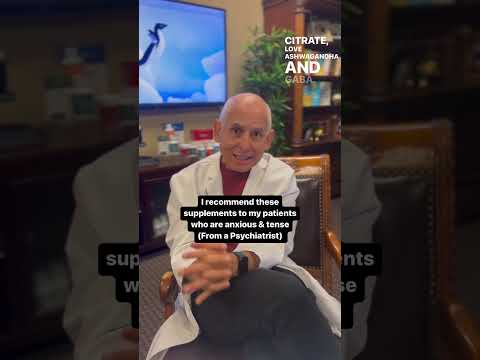
You know those days when anxiety feels like an uninvited guest that just won’t leave? Yeah, I’ve been there too. It can be super heavy and overwhelming.
Sometimes, you just want relief—like, right now. And depending on what’s going on in your life, you might not be ready for therapy or medication yet.
But here’s the thing: there are actually some over-the-counter options that could help take the edge off.
Let’s chat about the different ways to manage those pesky anxiety symptoms effectively. You might be surprised at what’s out there!
Discover the Most Powerful Natural Remedies for Anxiety Relief
So, anxiety can feel like this heavy weight on your chest, right? You might be searching for ways to ease it without diving into prescription meds. That’s totally understandable! Natural remedies can be a good place to start. Here are a few options that people often find helpful.
Herbal Teas are super popular for anxiety relief. Chamomile and lavender tea can be calming. Picture this: after a long day, you make yourself a warm cup of chamomile tea. The soothing aroma fills the room, and with each sip, you feel yourself relax just a bit more.
Essential Oils are another great choice. Many folks use oils like lavender or bergamot in diffusers or apply them topically (just remember to dilute them with carrier oil!). Smelling these oils can help signal to your brain that it’s time to chill out.
Have you ever heard of magnesium? It’s known for its calming effects. You might simply grab some magnesium supplements if you’re short on it from your diet. Foods like spinach, almonds, and bananas are great sources too.
Then there’s exercise. Yep! A good walk or a gym session can really lift your mood. When you work out, your body releases endorphins—those feel-good chemicals that help combat anxiety.
Another one people swear by is mindfulness meditation. This isn’t about clearing your mind entirely but more about focusing on the present moment without judgment. Just five minutes of deep breathing and focusing on how your body feels can be refreshing!
Now let’s not forget about supplements. Things like valerian root and ashwagandha come into play here. They’re believed to reduce stress levels naturally—but always check in with someone knowledgeable before starting anything new!
But here’s the real kicker: everyone is different. What works wonders for one person might not do much for another—so don’t get discouraged if something doesn’t vibe with you right away.
In the end, while these natural remedies might offer some relief from anxiety symptoms, they’re not replacements for professional help when needed. If anxiety gets overwhelming or persistent, seeking out support from a therapist or counselor could be an important step forward.
So yeah! Hopefully this gives you some ideas on what options might help ease anxiety naturally while avoiding stronger medications. Just remember: taking care of yourself is really important!
Discover Instant Anxiety Relief: Effective Medications and Remedies for Quick Calm
Managing anxiety can sometimes feel like trying to catch smoke with your bare hands. It’s tough, frustrating, and honestly, it can be overwhelming. Luckily, there are some options out there that could help you find quick relief when anxiety strikes. So, let’s unpack a few over-the-counter (OTC) options and remedies that might offer some instant calm.
First off, herbal supplements are super popular among folks looking for natural ways to ease anxiety. One of the most common is **valerian root**. It’s often used for sleep issues too and might help chill you out when stress kicks in. Another one is **chamomile**, which you can drink as a tea or find in capsule form. People say it helps them feel relaxed.
Then there’s **L-theanine**, found in green tea. Seriously, this amino acid has been linked to relaxation without causing drowsiness. So if you’re stressing but need to stay alert, it could be a good pick.
Magnesium is another mineral worth mentioning. Some studies suggest it can play a role in managing anxiety symptoms by regulating neurotransmitters—those brain chemicals that keep everything balanced. You might find magnesium supplements or just add more foods like spinach or nuts into your diet.
If you’re looking for something more immediate, consider adjusting your lifestyle a bit too. Things like deep breathing exercises can be super effective when you’re feeling anxious. Just taking a moment to breathe deeply can help calm your nervous system down quickly.
Sometimes, people reach for OTC medications like antihistamines (think: diphenhydramine). These can make you sleepy and often take the edge off when things get too intense—but they shouldn’t be relied on regularly since they can mess with your sleep patterns if you take them too often.
There’s also **CBD**, derived from hemp plants. While research is still ramping up on this one, many people report feeling more relaxed after using it—whether through oils or gummies.
Remember though? Before starting any new supplement or remedy, have a chat with someone who knows their stuff about health—like your doctor or a pharmacist. They’ll make sure whatever you try won’t clash with other meds you might be on or any underlying health issues.
And let’s not forget about developing healthy coping strategies. Exercise gets those endorphins flowing and helps clear your mind; yoga brings together movement and mindfulness; even just talking things out with friends goes a long way in managing how you feel overall.
So the bottom line is this: there are plenty of options available if you’re looking for quick relief from anxiety symptoms through OTC products and lifestyle adjustments. But always remember—what works for one person may not work for another, so take the time to figure out what gets you feeling better!
Top Over-the-Counter Remedies for Managing Anxiety and Depression: What You Need to Know
Managing anxiety and depression can feel like a heavy weight, can’t it? While professional help is super important, sometimes folks turn to over-the-counter (OTC) remedies for a bit of relief. Here’s what you need to know about the options out there.
1. Herbal Supplements
These have been used for ages, like when your grandma swore by chamomile tea to calm her nerves. Some popular ones include:
- St. John’s Wort: This herb has shown potential in helping with mild depression. But don’t forget—it’s known to interact with other medications, so check before you mix.
- Valerian Root: Often used as a sleep aid, it might help ease anxiety too. Just be aware that it can make some folks a bit drowsy.
- L-theanine: Found in green tea, this amino acid is known to promote relaxation without making you sleepy. A nice combo, right?
2. Vitamins and Minerals
Sometimes deficiencies in certain vitamins can contribute to mood swings or anxiety.
- Vitamin D: A lot of people are low on this sunshine vitamin. There’s some evidence linking low levels with increased feelings of depression.
- B-Vitamins: These are crucial for energy and brain function. B6 and B12 especially may help reduce stress and improve mood.
- Magnesium: Known as the “relaxation mineral,” magnesium can help decrease anxiety and even improve sleep quality.
3. Amino Acids
These are the building blocks of proteins and can affect your mood.
- Tryptophan: This amino acid is a precursor to serotonin—a key player in mood regulation. You might find it in turkey or as a supplement.
- L-tyrosine: Helps produce dopamine, which plays a role in mood control and stress response.
The Bottom Line
While these OTC options may offer some relief for mild symptoms of anxiety and depression, they’re not a substitute for professional care if you really need it. And remember, everyone’s different! What works for one person might not work for another.
And here’s something else—if you’ve ever felt overwhelmed by the weight of life just hanging on your shoulders like an old backpack from college—you know that managing your mental health is personal. It’s worth doing what feels best for you.
Always talk to a healthcare provider before starting anything new, especially if you’re already on other treatments or meds—it’s super important! Just think about finding what helps you feel more like yourself again.
So, anxiety can really be a pain in the neck, right? It sneaks up on you, messes with your head, and can make even the smallest tasks feel like climbing Mount Everest. It’s no wonder that folks are always looking for ways to manage those pesky symptoms. One option that comes up more often these days is over-the-counter (OTC) remedies.
You know, I remember this one time when a friend of mine was dealing with major anxiety just before a big presentation at work. She tried everything from meditation apps to yoga classes but felt like nothing really helped. Then someone suggested she try an OTC supplement designed for anxiety relief. At first, she was skeptical—like, “Will this really work? Or is it just another gimmick?” But after some research and a little trial and error, she found something that worked for her and eased her nerves.
Now let’s chat about those OTC options. You might stumble upon stuff like herbal supplements, vitamins, or amino acids which are marketed to help reduce anxiety symptoms. Things like ashwagandha or L-theanine pop up quite often in conversations about anxiety support. They’re hailed for their calming properties without the need for prescription meds.
But here’s the kicker: it’s super important to keep in mind that not everything works the same way for everyone. What might chill one person out could leave another person feeling jittery or just plain weird. And they don’t come without their own set of potential side effects either! Always best to check in with a health professional before diving headfirst into any new regimen.
Also, while OTC options can be helpful as part of your routine, they shouldn’t be seen as a standalone solution—kinda like using an umbrella when it’s raining but not forgetting your rain boots! Therapy and lifestyle changes usually play a big role too.
So yeah, if you’re thinking about trying otc options to manage anxiety symptoms effectively, just take it easy and do your homework first! Listen to your body and keep track of what works—or doesn’t work—for you because ultimately it’s about finding what helps you feel more at ease in this chaotic world we live in!