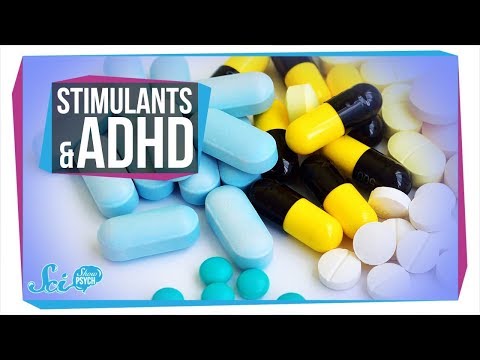
So, you’ve heard about OTC stimulants for ADHD, huh? It’s a pretty hot topic these days. I mean, who wouldn’t be curious about a quick fix, right?
You’re not alone if you’ve wondered what’s up with them. Like, do they really help? Or is it all just hype?
Here’s the thing: while some people swear by these over-the-counter options, there are psychological angles and risks we gotta talk about. You know, it’s not all sunshine and rainbows when it comes to popping pills.
Let’s dig into this together and see what the real deal is!
Exploring the Hidden Downsides of Stimulant Medications for ADHD Treatment
It’s pretty common to hear about stimulant medications when talking about ADHD. Many people swear by them for helping with focus and attention, but there are some hidden downsides that you should definitely consider. Let’s break this down a bit.
First off, stimulant medications can lead to increased anxiety. While some folks might find that these meds help them concentrate, others end up feeling jittery or overly anxious. I remember chatting with a friend who started taking a stimulant. At first, he felt like he was finally able to tackle his long overdue projects. But soon, he noticed his heart racing and felt on edge all the time. It turns out that stimulants can amp up your nervous system, which isn’t great for everyone.
Another thing to keep in mind is the risk of dependency. Some people might start relying on these meds to get through their day-to-day tasks. Over time, they may feel like they can’t function without them. It’s like building a crutch—you lean on it more and more until you don’t feel steady without it at all.
There’s also the issue of side effects. Sure, many people experience positive effects from stimulants, but they can also come with some unpleasant baggage. Some common side effects include insomnia and headaches. Imagine trying to focus at work or school when you’re exhausted and in pain—not fun!
And let’s not forget about potential cardiovascular issues. Stimulants can raise blood pressure and heart rate, which might be concerning for some folks. If you’ve got any pre-existing conditions or family history regarding heart problems, it’s something to definitely discuss with your doctor.
Oh! And then there are the mood swings. Some individuals find their emotions can swing dramatically while on these medications—like going from super focused to completely frustrated in no time flat! That rollercoaster ride can really affect relationships and overall well-being.
Lastly, there’s this tricky notion of getting the right dosing. Finding the perfect dose is often a bit of trial and error. Sometimes it’s too low and doesn’t help at all; other times it’s too high, which amplifies those negative effects we just talked about. It could take weeks or even months to figure this out.
In short, while stimulant medications can absolutely help many people manage ADHD symptoms effectively, you really have to weigh those benefits against the possible downsides. Everyone’s different—you know? So understanding your own body and mind is key when considering treatment options like these!
Exploring the Psychological Effects of Stimulants: Impact on Mental Health and Behavior
The world of stimulants is pretty fascinating, isn’t it? Especially when you consider how they interact with our minds. So, let’s break down the psychological effects of stimulants and their impact on mental health and behavior.
First off, stimulants are substances that increase activity in the brain. They might boost focus, attention, and energy levels. Sounds great, right? But there’s a catch, especially when you think about OTC (over-the-counter) stimulants used for ADHD.
When we say “ADHD,” we’re talking about Attention Deficit Hyperactivity Disorder. People with ADHD often struggle with attention and impulse control—and this is where stimulants come in. They can help manage these symptoms. However, the effects aren’t all positive.
Let’s take a look at some of the psychological effects:
- Increased Anxiety: While some find that stimulants help them focus, others can feel heightened anxiety or restlessness. Imagine trying to concentrate but feeling like your heart is racing—no fun at all.
- Mood Changes: Stimulants can cause mood swings or irritability in some individuals. You might start feeling super energetic one moment and then crash into frustration or sadness later on.
- Addiction Potential: There’s a risk of misuse here. Stimulants can be addictive if overused, leading to dependency where you feel you can’t function without them.
- Impact on Sleep: Taking stimulants can disrupt sleep patterns too. It’s tough to stay alert during the day if you’ve been tossing and turning all night.
Here’s something interesting: when someone takes a stimulant that works for them, it might feel like they’ve finally found the secret to getting things done. But seriously, it’s important to be cautious because not everyone experiences these benefits the same way.
You know what really gets me? The lack of awareness around how different people react to these substances—what works wonders for one person could lead another straight into anxiety-ville!
Also, if someone has underlying mental health issues like depression or anxiety disorders already at play, adding stimulants into the mix can complicate things even more. It’s like throwing gasoline on a fire—never a good move.
So yeah, while some folks might rave about their stimulant experiences—feeling sharp and focused—it’s not that simple for everyone else. The negative side effects can overshadow any potential benefits.
Ultimately, understanding your own mind and body is crucial here. If you’re considering using an OTC stimulant or already are using one for ADHD management, keep an eye out for those little changes in mood or behavior. You want to make sure it’s enhancing your life rather than breaking it down.
In short: stimulants have powerful psychological effects that vary greatly from person to person. Balancing their potential benefits against the risks is crucial—and having open conversations with healthcare providers really helps navigate this tricky terrain!
The Safest Stimulants for ADHD: A Comprehensive Guide to Treatment Options
So, when we talk about ADHD—Attention Deficit Hyperactivity Disorder—it’s important to know that stimulants are often the frontline treatment. They help manage symptoms like inattention, hyperactivity, and impulsivity. The thing is, not all stimulants are created equal, and safety can feel a bit complicated. But let’s break it down.
To start off, there are two main categories of stimulant medications for ADHD: **amphetamines** and **methylphenidates**. These are prescribed by healthcare professionals and are considered pretty safe when monitored properly. However, there are over-the-counter (OTC) options too—though they might not be as effective or well-studied.
Amphetamines include medication like Adderall or Dexedrine. They work by increasing the levels of certain neurotransmitters in your brain—specifically dopamine and norepinephrine—which help you focus better. But, these can also have side effects like insomnia or anxiety if not managed right.
Then there’s methylphenidates like Ritalin or Concerta. Similar to amphetamines, they boost those neurotransmitter levels but in slightly different ways. Some people find them to be gentler on their system than amphetamines.
Now, let’s talk about some OTC stimulants. While these aren’t typically the first choice for ADHD treatment, some folks might look into things like caffeine or herbal supplements for a little boost:
- Caffeine: It’s a common pick and can help with focus temporarily. But too much caffeine could lead to jitters or anxiety.
- Rhodiola Rosea: This herb is known for combatting fatigue and improving cognitive function. It’s been used traditionally but needs more research regarding its efficacy for ADHD.
- L-Theanine: Found in green tea, it promotes relaxation without drowsiness and could balance the jittery effects of caffeine.
A quick story: I had a friend who tried caffeine while studying during college because he felt it helped him concentrate better on his readings. He swore by it until he realized that it made him too anxious to sleep at night! That led him back to talking with his doc about proper medication.
It’s super important to note that while OTC options may seem appealing because they’re easily available at stores or online, they aren’t regulated the same way prescription medications are—and that can mean less reliable results or safety concerns.
A key thing to remember is that everyone’s brain works differently; what works wonders for one person might backfire on another. If you think you have ADHD or need support managing symptoms, chatting with a healthcare professional is always the best route—seriously!
So yeah, while there are safe stimulants out there that help many people with ADHD lead productive lives, the best treatment will depend on individual needs and responses. Making informed decisions with medical guidance can help anyone navigate this journey more smoothly!
So, let’s chat about this whole idea of over-the-counter (OTC) stimulants for ADHD. You know, Attention-Deficit/Hyperactivity Disorder is a thing that affects a lot of people—kids and adults alike. And traditionally, we’ve looked to prescription meds like Adderall or Ritalin to help manage those symptoms. But now, more folks are kinda curious about OTC options. It’s interesting, but also a bit tricky.
I remember a friend of mine struggling with ADHD throughout school. There were days when he felt like his brain was racing while everyone else seemed to be cruising along smoothly. He was really on the fence about medication; he didn’t want something that would change who he was but wanted some relief from that overwhelming feeling of chaos in his mind.
Now, the thing is, OTC stimulants can seem like an easier way to go since they’re more accessible. They promise to boost focus and energy without needing a doctor’s consultation or prescription. But here’s where it gets complicated: these products often haven’t gone through the same rigorous testing as their prescription counterparts. We’re talking about safety here.
There are psychological aspects too—like the idea that if you just pop a pill, everything will suddenly be fine again. It can set up unrealistic expectations! People might think it’s a magic solution instead of understanding that managing ADHD typically takes more than just taking something off the shelf.
Plus, we need to consider the risks involved. First off, just because something’s available across the counter doesn’t mean it’s safe for everyone. Some people could have serious reactions or side effects from stimulants they may not even realize they’re sensitive to until it’s too late.
And what about dependency? Sometimes people start leaning on these solutions instead of developing coping strategies or learning more sustainable ways to handle their ADHD symptoms—like therapy or lifestyle changes. Honestly, I think this can create more problems than solutions down the line.
At its core, seeking help for ADHD is super personal; there isn’t one-size-fits-all treatment out there. It’s really about finding what works best for you and having open conversations with healthcare professionals who can guide you through options—OTC or not.
So yeah, while OTC stimulants may look shiny and appealing at first glance, it’s crucial we approach them with caution and awareness of what we’re really dealing with in our minds and lives.