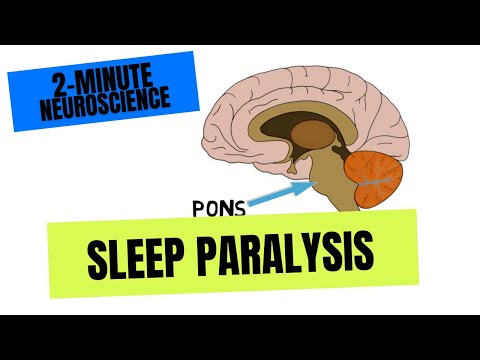
You know those nights when you wake up, but your body feels all heavy and you can’t move? Yeah, that’s sleep paralysis. It’s super creepy, right?
And then there are those wild out of body experiences. You feel like you’re floating above yourself or something. Both of these things can mess with your head in a big way.
People often freak out about them. But what if we could talk about them? Like, really dig into what’s going on in our minds during these moments?
So let’s chat about sleep paralysis and those crazy experiences where you feel like you’ve left your body behind. There’s more to it than meets the eye!
Exploring Out-of-Body Experiences: The Connection Between Sleep Paralysis and Altered Consciousness
Out-of-body experiences (OBEs) have this mysterious vibe, don’t they? They often happen when people feel like they’re floating outside their own bodies, observing the world from a different perspective. Sounds trippy, right? But here’s where it gets interesting: there’s a connection between these experiences and something many of you might have heard about—sleep paralysis.
Sleep paralysis is that creepy moment when you wake up and can’t move. Your body is still in sleep mode, but your mind is wide awake. You might feel pressure on your chest or even see shadowy figures. Really unsettling stuff! The link between sleep paralysis and OBEs lies in altered states of consciousness. When you’re in sleep paralysis, your brain is transitioning between sleep and wakefulness, which can lead to some pretty vivid experiences.
So let’s break down how these two connect:
- Altered consciousness: During sleep paralysis, your brain may enter a state that blurs the lines between dreaming and reality. This confusion can trigger an OBE.
- Vivid sensory experiences: The intense feelings during sleep paralysis might heighten awareness, making it easier to perceive an out-of-body sensation.
- Anxiety response: Sleep paralysis can create fear or panic. Some folks report detaching from their bodies as a coping mechanism. It’s like your mind trying to escape the discomfort!
- Cultural influence: Stories about OBEs are widespread across cultures. Sometimes our beliefs shape our interpretation of these strange moments.
Imagine waking up one night, unable to move while feeling heavy pressure on your chest. Maybe you sense someone watching you—definitely creepy! In that heightened state of fear, some people report floating above their bodies, looking down at themselves trying to scream or move but failing miserabley. It’s wild how intense emotions can warp perception.
There are also some fascinating theories suggesting that wakeful dreaming, when our minds wander during transitions from sleep to wakefulness or vice versa, plays a role in OBEs too. Think of this as a sort of limbo where the brain operates differently than it does when fully awake or asleep.
In essence, both OBEs and sleep paralysis open doors to altered states of consciousness that challenge how we view reality itself. Each individual story adds depth to our understanding—you know?
Not everyone will experience them the same way; others may never experience either phenomenon at all! But for those who do encounter this strange intersection of psychology and consciousness—a mix of fear and fascination often lingers long after the experience.
What really matters here is recognizing that both phenomena offer valuable insights into our brains’ complex workings while sleeping—and maybe even while we’re awake!
Understanding Freud’s Insights on Sleep Paralysis: A Dive into Psychoanalytic Theory
Understanding Freud’s take on sleep paralysis can feel like peeling away the layers of an onion. You know? It gets deeper and more complex the more you dig.
Freud, the granddaddy of psychoanalysis, had some pretty wild ideas about dreams and the subconscious. He believed that our dreams are windows into our hidden feelings and desires. So when it comes to sleep paralysis, he’d likely say it’s not just a physical phenomenon but also a mental one.
So what is sleep paralysis? It’s that eerie feeling you get when you’re stuck between waking and sleeping. You’re aware of your surroundings but can’t move or speak, sometimes even feeling pressure on your chest or sensing a presence in the room. Terrifying, right? Many people report hallucinations during these episodes, which adds to the fear.
Freud might suggest that this experience is linked to our unresolved conflicts or repressed emotions. Let’s say you had a stressful day at work; your brain’s got all this stuff bottled up inside. At night, your subconscious might express those feelings through sleep paralysis, trapping you in that state as it tries to make sense of everything going on.
Here are some key points Freud would emphasize:
Take a moment to imagine someone dealing with guilt over something they didn’t do or said; they might feel trapped in their own mind when they experience sleep paralysis.
Freud also connected these experiences with out-of-body experiences (OBEs). They often happen during times of extreme stress or trauma—essentially pulling us out from our own bodies as a defense mechanism. While you’re floating up there in your mind’s eye, it’s like your brain is saying: “I need a break!” But it can also confuse reality and add another layer to those scary nights.
You see? For Freud, these experiences weren’t just freaky occurrences; they were significant clues about who we are inside. They tell us about our fears and desires—or things we haven’t quite faced yet.
In simple terms, understanding sleep paralysis through Freud’s lens means looking at it not just as something creepy happening at 3 AM but also as an expression of deeper psychological conflicts we might be grappling with during waking hours.
Next time you’re lying there frozen still, maybe take a second to think about what’s gnawing at you beneath the surface!
Understanding Sleep Paralysis: The Psychological Factors Behind this Mysterious Experience
Sleep paralysis can be pretty freaky, right? You wake up, but your body feels like it’s stuck in a dream. You can’t move or speak. Some people even see things, like shadowy figures hovering over them. It’s wild! So, let’s break down what’s going on with sleep paralysis from a psychological perspective.
What Is Sleep Paralysis?
Sleep paralysis happens when you wake up during rapid eye movement (REM) sleep. In this stage, your brain is super active. But your body is essentially paralyzed to keep you from acting out your dreams. Sometimes people wake up before the paralysis wears off. That can lead to this bizarre experience where you’re aware of everything around you but can’t move a muscle.
Psychological Factors at Play
So why does this happen? There are a few psychological factors that contribute to sleep paralysis:
- Stress and Anxiety: High levels of stress can mess with your sleep patterns. If you’re anxious or overwhelmed, it might trigger episodes.
- Sleep Deprivation: Not getting enough Zs can throw off your sleep cycle, making it easier to experience paralysis.
- Disrupted Sleep Schedule: If you’re someone who sleeps at odd hours or has erratic sleeping habits, that could increase the chance of having an episode.
- Lucid Dreaming and Out-of-Body Experiences: Some folks who practice lucid dreaming might have more vivid experiences during sleep that’s linked with sleep paralysis.
Look, stress is something we all deal with at some point. I remember once when I was swamped with schoolwork and deadlines; I had three nights in a row where I woke up frozen in my bed—talk about terrifying!
The Role of Culture and Beliefs
Another interesting thing is how culture shapes our understanding of these experiences. Depending on where you live, people might interpret sleep paralysis differently. Some cultures have legends or myths about spirits being involved. This could affect how individuals react to their episodes.
Coping Mechanisms
If you’re experiencing sleep paralysis often, there are some strategies to help manage it:
- Create a Relaxing Bedtime Routine: Wind down before bed with calming activities.
- Avoid Stimulants: Caffeine and other stimulants should be limited in the evening.
- Sleep on Your Side: Some studies suggest sleeping on your side rather than on your back may reduce episodes.
- Meditation and Mindfulness: These techniques can help reduce anxiety which contributes to stress levels overall.
It’s no fun feeling stuck inside your own body while you’re wide awake! But understanding what triggers these episodes makes it feel less daunting.
To wrap things up: Sleep paralysis may be unsettling and mysterious, but recognizing the psychological factors behind it can make those experiences less frightening. It’s always good to talk about these feelings with someone who gets it if they keep happening!
You know, sleep paralysis is one of those things that can totally freak you out. Imagine lying there, wide awake but unable to move, feeling some weird presence in the room with you. It’s like your mind is racing while your body is stuck in a weird limbo. I remember the first time it happened to me—I woke up and felt this heavy weight on my chest. I couldn’t scream or move. It was terrifying! Luckily, it only lasted a few moments, but that experience really stuck with me.
So, what’s going on when this happens? Well, during REM sleep, our brains are buzzing with activity while our bodies are basically paralyzed to stop us from acting out our dreams. Sometimes people wake up before the REM cycle is fully over and still have that paralysis hanging around for a bit. And let’s be honest—when you can’t move and feel like something’s lurking, it’s easy for your brain to go into overdrive with fear.
Out-of-body experiences (OBEs) can often happen alongside sleep paralysis too. Some folks describe it as floating above their bodies or even watching themselves from a distance. Sounds wild, right? But here’s where it gets interesting: both experiences tap into how our brain processes consciousness and reality. Your mind might just be playing tricks on you when it’s in that state of half-sleep, creating sensations that feel super real.
It’s easy to write off these experiences as just “bad dreams” or something supernatural—but they open up some fascinating discussions about what consciousness really is. Are we more than just our physical bodies? When people talk about these moments as life-changing or eye-opening, it makes you think about how interconnected everything feels—the body and the mind.
So if you’ve ever been hit by sleep paralysis or had an out-of-body experience, just know you’re not alone in this strange journey of understanding the human mind! It’s bizarre and honestly a little scary sometimes, but it does shed light on how complex we really are. How wild it is that even while we’re sleeping—our brains are doing serious work?