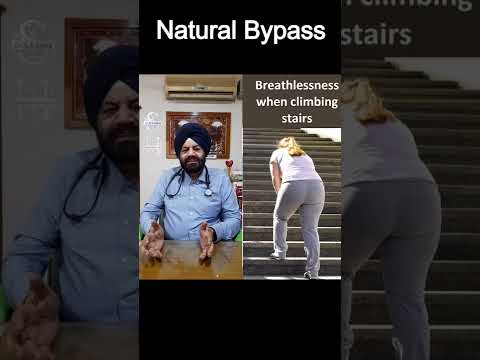
You know that feeling when you’re racing up the stairs, heart pounding and lungs gasping for air? It can be super alarming, right? But what if I told you it’s not just about the physical side of things?
Sometimes, breathlessness can be like a big red flag waving at us from the depths of our mental health. Yeah, seriously! Life can toss a lot our way—stress, anxiety, or even past traumas—and it all adds up. Like, your mind and body are totally linked in this dance.
So let’s chat about this. We’ll explore how those heavy breaths while climbing stairs might be telling you something deeper. It’s more common than you think! And who knows? You might just find out a little something new about yourself along the way.
Identifying the Mental Health Causes of Shortness of Breath: Key Signs to Recognize
Shortness of breath can be super unsettling, right? You’re just going about your day, maybe climbing some stairs or chasing after your kids, and suddenly you feel like you can’t catch your breath. While it’s easy to think this could be just physical stuff, there’s often more at play. The link between mental health and breathlessness is actually a really important topic. So let’s break it down.
First off, let’s talk about the mind-body connection. When you’re stressed or anxious, your body reacts in ways that might surprise you. You know that feeling when you’re nervous and your heart races? Well, anxiety can trigger rapid breathing or even make you feel like you can’t get enough air. This is because anxiety ramps up your fight-or-flight response, causing physical symptoms like shortness of breath.
Now here are some key signs to recognize when mental health might be involved with that breathlessness:
- Anxiety Disorders: If you’ve ever felt a wave of panic coming on, you know how suffocating it can feel. Anxiety disorders often lead to feelings of tightness in the chest and difficulty breathing.
- Depression: It might sound surprising, but depression can also mess with your breathing patterns. When you’re feeling low energy and overwhelmed, sometimes taking a deep breath feels impossible.
- Panic Attacks: If you’ve experienced one of these bad boys before, shortness of breath is pretty common. Your heart races and suddenly it’s hard to breathe. It’s intense.
- PTSD: Flashbacks or reminders of a traumatic event can cause severe anxiety responses including shortness of breath.
- General Stress: Sometimes life just gets too hectic. Stress builds up over time; it doesn’t always have to come from serious issues to affect your breathing.
You might ask yourself: “How do I know if my shortness of breath is mental?” Well, one way is to pay attention to when it happens. Does it always occur during stressful moments? Or does it pop up randomly when you’re relaxed? Keeping track can really help paint a clearer picture.
Here’s something cool—breathing techniques! Seriously! A simple practice like deep belly breathing can help calm your nervous system and ease that sensation of breathlessness—a bit like hitting the reset button on those panicky feelings.
Take this from someone who once found themselves out of breath after only a few stairs while worrying about everything under the sun—turns out my mind was running faster than my legs! Recognizing that connection between my thoughts and my body helped me take control.
So remember: if you’re frequently feeling out of breath along with stress or anxiety creeping in, don’t just shrug it off as physical; reach out for support if needed! Understanding the mental health aspects can seriously change how we cope with such experiences.
Understanding the Link Between Anxiety and Shortness of Breath When Climbing Stairs
Climbing stairs can be a workout, right? But for some folks, it’s not just physical exertion that makes them feel breathless. Have you ever felt that flutter of panic as you tackle a flight of stairs? Maybe your heart races, and suddenly it feels like there’s not enough air. This is a real connection between anxiety and feeling out of breath. Let’s break this down.
When you’re anxious, your body goes into fight-or-flight mode. Basically, it reacts as if there’s danger. Your heart pounds harder, your breath quickens, and those little muscles in your lungs tighten up. It’s like your body’s way of saying, “Run!” or “Hide!” So when you hit those stairs, especially if you’re already feeling stressed or worried about something else, it feels like the effort multiplies.
Now let’s consider what happens physically when you climb stairs. Your body needs more oxygen as you exert yourself—this is totally normal! But if you’re anxious at the same time, your body isn’t efficiently taking in that oxygen because it’s all tensed up.
Here are some key points to understand this better:
- Anxiety leads to shallow breathing. Instead of filling your lungs completely, you might just be taking quick little breaths. This can leave you feeling short of air.
- Panic attacks can mimic symptoms of physical exertion. You might think you’re out of shape when really anxiety is making things feel worse.
- The mind-body connection is strong! If you believe something will make you feel breathless—like climbing stairs—you may actually trigger that response in yourself.
- Physical fitness matters too. Sometimes breathlessness gets confused with being unfit or not exercising regularly; but anxiety complicates things further.
Imagine this: Jamie always felt fine walking around; then one day on her lunch break she decided to jump into the stairwell for a little cardio boost. Halfway up, she noticed her heart racing and felt dizzy—pure panic set in. Now every time Jamie sees the stairs at work, she hesitates because her mind remembers that panic-inducing moment!
So what can help with this? Well, talking to someone about anxiety can really clear stuff up. Therapy can teach coping strategies that help ease those panic waves before they hit a steep flight of stairs.
Breathwork techniques are another handy tool. Learning to slow down and take deep breaths can bring some calm back into the chaos caused by anxiety when facing physical challenges.
Remember though: if shortness of breath becomes frequent or severe outside situations like climbing stairs or when you’re anxious—then it’s important to chat with a healthcare professional! It’s always better to be safe than sorry because sometimes those symptoms might point toward something else entirely.
In short (no pun intended), understanding the link between anxiety and shortness of breath while climbing stairs opens up pathways for managing both physical and mental health together! So next time those steps look daunting, remember it’s not just about fitness—it could be a sign that your worry meter is cranked up too high!
Effective Strategies to Ease Shortness of Breath When Climbing Stairs
Breathlessness when climbing stairs can totally catch you off guard, right? You’re going about your day, just trying to get from one place to another, and suddenly it feels like you’re running a marathon. But it’s not just about your physical health; it can also be a little window into your mental state.
When you feel that shortness of breath, especially in situations like going up stairs, it can really trigger some anxiety. You might start feeling panicky or overwhelmed. It’s totally normal! Here are some strategies to help ease that breathlessness:
- Pace Yourself: Start off slow and find a rhythm that works for you. Try walking at a comfortable pace instead of rushing up.
- Practice Deep Breathing: Before hitting those stairs, take a moment to breathe deeply—in through your nose and out through your mouth. This can help calm your system down.
- Improve Fitness Gradually: If possible, incorporate light exercise into your daily routine. Even short walks can build up stamina over time.
- Mindfulness Techniques: Focus on the act of climbing instead of the breathlessness. Pay attention to each step and how your body feels; this might help reduce anxiety.
- Avoid Tight Clothing: Believe it or not, what you wear matters! Loose clothing lets you breathe better while you’re moving around.
- Stay Hydrated: Dehydration can make breathing feel harder. Drink enough water throughout the day to keep everything flowing smoothly!
Now think back for a moment—remember that time when you hurried up the stairs because you were late? Your heart races, legs feel heavy, and in comes that wave of panic as you gasp for air. But pausing for a sec to use these strategies could really change how that feels next time.
Also, if this is happening often or becoming more intense—like seriously interfering with everyday life—it might be worth talking with someone about it. Sometimes underlying health conditions or anxiety manifest in unexpected ways, like breathing issues during simple tasks.
So yeah, take it one step at a time—literally! And remember: it’s all connected; body and mind working together.
Breathlessness on stairs. It sounds so simple, right? But if you’ve ever climbed a flight and found yourself gasping for air, you know it can feel pretty intense. I remember one time, I was about to head up to my friend’s apartment, and halfway up the stairs, my heart started racing. I wasn’t out of shape or anything, but it hit me like a wave. My mind raced with thoughts—was I going to pass out? Did everyone notice? And that little voice in my head just kept getting louder.
What’s interesting is how this feeling of breathlessness can really reflect what’s going on in our minds. The physical sensation is totally real—like your body is reacting to something that maybe isn’t even about the stairs at all. Sometimes, it’s anxiety or stress bubbling just beneath the surface. You’re not necessarily out of breath because of the climb; sometimes it’s all those worries that feel heavier than a backpack full of rocks.
According to research, there’s a connection between physical symptoms and mental health experiences. When we’re anxious or stressed, our bodies can react in ways we don’t expect—like making us feel out of breath when we’re just doing day-to-day things. It’s kind of wild when you think about how intertwined our minds and bodies really are.
It can be helpful to recognize these moments as signals from your body. Maybe when your breathing gets shallow or you start feeling that anxiety creeping in while you’re climbing those steps, it’s worth pausing for a second to take stock of what else is happening in your life? Have you been stressed out at work? Or maybe there are personal things weighing you down?
So yeah, next time you’re huffing and puffing up a flight of stairs—or even just feeling overwhelmed—take a moment for yourself. Breathe deeply (as best as you can) and check in with how you’re feeling mentally. Our bodies often try to tell us something; we just have to tune in once in a while. And honestly? That little pause could be the first step towards understanding yourself better.