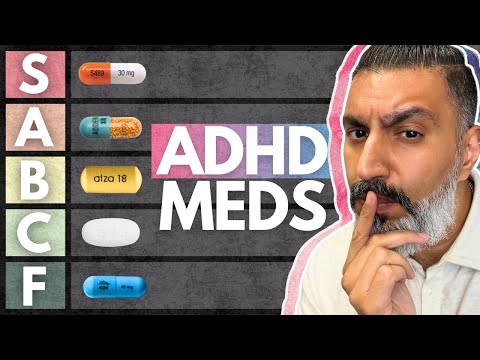
So, let’s talk ADHD. If you or someone you know has it, you probably get it can be a ride, right?
Sometimes meds are needed, but not everyone wants to go the prescription route. That’s where over-the-counter stuff comes in. Seriously, have you checked out what people are saying about it on Reddit?
It’s wild! You get real stories from real folks trying to figure this out. Some recommendations are solid, while others? Well, let’s just say they might raise an eyebrow or two.
Anyway, if you’re curious about what people are experiencing with these OTC options—like the do’s and don’ts—stick around. We’ll dive into all that juicy conversation from Reddit!
Unlocking Nature’s Adderall: How Natural Remedies Boost Focus and Mental Clarity
So, you’re looking for ways to boost your focus and mental clarity without diving into the world of prescription meds like Adderall? Totally get it. Some folks have been exploring natural remedies that could help enhance concentration. While these methods might not work as rapidly or effectively as medications, they can be a helpful addition to your routine. Let’s break it down a bit.
First off, what’s the deal with focus? You know how sometimes you sit down to work and your brain feels like a jumbled mess? Like it can’t settle on one thought? That’s often related to how efficiently our brains are using certain chemicals and energy. Natural remedies might step in to help with that.
There are several options people chat about on Reddit and other forums, leaning toward things that seem more accessible. Some common natural remedies include:
- Caffeine: This one’s a classic. You’ve probably had some coffee or tea before needing to concentrate, right? Caffeine can temporarily enhance alertness and attention by blocking adenosine—basically the chemical that makes you feel sleepy.
- Rhodiola Rosea: This herb is interesting! It’s been used for centuries in traditional medicine. People claim it helps reduce fatigue and improve mental performance when stressed.
- Bacopa Monnieri: This one stands out for its potential long-term benefits on memory and cognitive function. Studies suggest it may help improve attention spans after consistent use.
- L-Theanine: Often found in tea, this amino acid pairs nicely with caffeine because it can promote relaxation without drowsiness. So think about combining your coffee with some green tea!
- Ginkgo Biloba: This older remedy has been explored for its possible effects on memory enhancement. Some studies indicate it might increase blood flow to the brain, which sounds pretty promising.
Now here’s something important: you should always consult a healthcare professional before trying any of these remedies, especially if you’re considering them as substitutes for prescribed medications like Adderall. Not everyone reacts the same way; some folks may experience side effects or interactions with other meds they’re taking.
I remember chatting with a friend who was super stressed about her upcoming exams and she tried Rhodiola Rosea after reading about it online. She found that while she felt calmer, her overall focus still needed improvement—so she also started drinking green tea alongside studying. It didn’t magically fix everything, but it created a routine that worked better for her.
In the end, natural remedies can give you some extra support in focusing but they might not be miracle workers like prescription meds. The thing is, incorporating these into your daily habits could lead you to better mental clarity over time—especially when paired with sleep, exercise, and good nutrition.
So there you have it! A quick overview of some natural options people discuss when seeking ways to boost focus without jumping straight into prescription territory. Just keep in mind that everyone’s path is unique—you gotta find what works best for you!
Strattera vs. Adderall: Which ADHD Treatment is Safer for You?
When it comes to treating ADHD, you might have heard about Strattera and Adderall. Both are popular choices, but they’re pretty different in how they work and what they can do for you. Let’s break it down.
Adderall is a stimulant medication. It’s made up of amphetamine salts, which basically rev up your brain, helping with focus and attention. Many people find that it works fast, often within 30 minutes to an hour after taking it. But then again, since it’s a stimulant, that means there’s potential for side effects like insomnia or anxiety. Some folks feel pretty energized or even jittery.
On the flip side, there’s Strattera. This one isn’t a stimulant; it’s classified as a norepinephrine reuptake inhibitor (NRI). What that means is it works by balancing certain chemicals in your brain over time rather than giving you that immediate boost like Adderall does. It can take a bit longer to kick in—sometimes several weeks—before you really notice its effects.
So, which is safer? Well, safety often depends on personal health factors. For example:
- Adderall can increase heart rate and blood pressure.
- Strattera might raise the risk of liver damage in rare cases.
- If you have anxiety issues, some people say Adderall can make those worse.
- Strattera, while generally more calming for some folks, might lead to fatigue.
You see? It’s all about what fits your needs better. Imagine Sarah, who struggled with intense focus problems at work but also dealt with anxiety. Her doctor prescribed Adderall first. Initially, she felt great! But soon enough? The jitters kicked in and her anxiety shot up. They switched her to Strattera after a few weeks—slowly but surely it started to help her focus without making her anxious.
Now let’s talk about side effects because they’re super important too. While everyone reacts differently:
- Adderall: Common side effects include dry mouth and headaches.
- Strattera: People sometimes report stomach pain or decreased appetite.
Taking medication isn’t always black and white; sometimes it’s about trial and error before finding the right fit for you.
And remember this: both meds are prescribed based on individual needs and health histories. Your doctor will consider your lifestyle and any other conditions you have before suggesting one over the other.
In summary? Adderall gives you that quick zip but comes with some bounce-back risks if you’re sensitive to stimulants. Strattera is more gradual but is usually considered safer for folks who might be prone to anxiety or aren’t wild about stimulants.
At the end of the day, chat with your healthcare provider! Explore your options together; get informed about what’s right for you so that you’re not flying blind through this whole ADHD treatment thing.
Understanding Liquid Adderall: Over-the-Counter Options for ADHD Management
Adderall, the medication most people associate with treating ADHD, comes in both immediate and extended-release forms. But what if you can’t get a prescription? Some folks turn to alternatives like **liquid Adderall**, which isn’t actually available over the counter (OTC) in the U.S. Let’s break this down a bit more.
First up, there’s a common misconception that you can just grab some liquid Adderall off the shelf. The reality is, it’s a controlled substance. That means you need a doctor’s prescription to get it. But hey, there are *some* OTC options that people discuss on platforms like Reddit.
Now, let’s take a look at those alternatives:
- Caffeine: Seriously! This common substance can help improve focus and reduce fatigue. Some folks swear by their morning coffee as a way to manage their ADHD symptoms.
- Omega-3 fatty acids: Found in fish oil supplements, these have been linked to better brain health and might help with attention issues.
- Zinc: Some studies suggest zinc deficiency could be related to worse ADHD symptoms. So adding this into your diet might help some individuals.
- L-theanine: Often found in green tea, this amino acid can promote relaxation without drowsiness and may aid focus.
But hold on—before jumping headfirst into these options, it’s crucial to remember that everyone is different. What works for one person may not work for another. You’ve probably heard stories about friends or family who have tried various things only to find little to no relief.
A good friend of mine once told me about her journey with ADHD—she really struggled with focus during school. After trying prescription meds that made her feel jittery or anxious, she decided to try caffeine instead. Crazy enough, she found that drinking tea helped her concentrate better during long study sessions without the side effects of traditional meds.
On forums like Reddit, you’ll find tons of discussions on people sharing their personal experiences with OTC options for managing ADHD symptoms. It’s important not to treat those experiences as gospel truth; they’re just individual stories.
If you’re considering something outside of prescribed medication, consult your healthcare provider first. You want to avoid any potential side effects or interactions with other medications you might be taking.
In short: while liquid Adderall itself isn’t available OTC and definitely requires a prescription, there are alternative routes worth exploring if you’re curious about managing ADHD symptoms outside standard treatments. Just tread carefully and keep communication open with your healthcare team!
You know, it’s kinda interesting how a lot of folks turn to places like Reddit when they’re looking for answers about ADHD and the remedies that come with it. I recently stumbled upon some threads discussing over-the-counter (OTC) options for ADHD. Honestly? It made me think.
A few years ago, a friend of mine was really struggling with focus and organization. The whole situation was tough, you could see it weighing on her. She tried all sorts of things—like different diets, exercise routines, and even meditation apps. But she felt kinda lost when it came to medication, especially since stimulant prescriptions can seem intimidating or even off-putting at times.
So while browsing through Reddit posts about OTC ADHD remedies, I noticed people sharing personal experiences with supplements and vitamins. Some swore by things like omega-3 fatty acids or ginseng to help manage symptoms. It’s surprising how much faith people put in these natural options! But honestly? Sometimes I can’t help but wonder how effective they actually are.
Some posts seemed super positive—people claiming they felt more focused after making some changes. Others, though? Not so much. You could feel the mix of hope and skepticism in their words: “I tried this but didn’t feel anything,” or “This worked for me for a while.” It’s this rollercoaster of emotions that connects us all in those discussions.
The thing is, while OTC remedies are usually seen as safer than prescription meds, they can still mess with your body in ways you might not expect. A supplement here or there may be harmless for one person but not so great for someone else. So it’s just vital to stay cautious about what you put into your body—because we’re all different!
What gets me is the power of community when dealing with challenges like ADHD symptoms. People sharing tips based on their own journeys can be comforting. Just knowing you’re not alone in this battle is huge! It can spark ideas and maybe inspire someone to try something new.
In any case, whether you’re considering OTC options or just looking for support—I’d say take everything you read with a grain of salt (or maybe a little more). Ultimately, finding what works best is such an individual journey, right? So here’s hoping folks keep chatting on those platforms so they find what truly helps them out there!