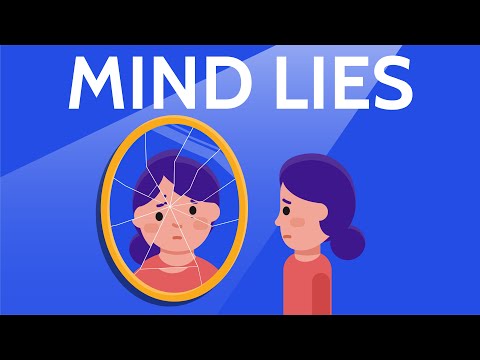
You know those moments when your brain just spins out, like a hamster on a wheel? It feels frustrating, right?
Well, that’s part of what we call cognitive distortions. They’re sneaky little thoughts that twist reality into something heavy and overwhelming. And guess what? Everyone deals with them, even if they don’t realize it!
Imagine you mess up at work and your mind jumps to thinking you’re a total failure. That’s a distortion in action!
But here’s the good news: You can totally conquer these annoying thoughts. It’s like training a puppy; it takes practice but can really change the game for your mental health.
So let’s chat about how to spot these distortions and tackle them head-on. You ready for this?
Understanding Cognitive Distortions: Download Our Free PDF Guide for Mental Wellness
Cognitive distortions are like little traps our minds set for us. They mess with how we see things and can really impact our moods and behaviors. Basically, these are ways of thinking that aren’t quite accurate or helpful. Understanding them is a big step toward improving your mental wellness.
What Are Cognitive Distortions?
They’re patterns of negative thinking that can lead you to feel anxious, stressed, or depressed. Think of it this way: if your mind is a computer, cognitive distortions are like bugs in the software that make everything glitchy.
Common Types of Cognitive Distortions:
You may find yourself stuck in one or more of these patterns:
- All-or-Nothing Thinking: You see things in black and white. For instance, if you can’t be perfect at something, you might feel like a total failure.
- Catastraphizing: You assume the worst will happen. Like, if you bomb a job interview, you might think you’ll never get hired anywhere again.
- Overgeneralization: You take one negative experience and believe it applies everywhere. Maybe you had a bad date and now think all dates will suck.
- Personalization: You blame yourself for things out of your control. Your friend cancels plans, and suddenly you’re convinced it’s because they don’t like you.
These thoughts can pop up without you even realizing it! They’re sneaky.
The Emotional Impact:
When you’re caught up in these distortions, it’s no surprise you’re feeling down or anxious. For example, let’s say you’ve received some constructive criticism at work. Instead of thinking “I have room to grow,” you might spiral into “I’m awful at my job.” See how that works? It’s exhausting!
Catching Your Thoughts:
A huge part of overcoming these distortions is recognizing when they happen. Keeping a thought journal could help here; write down what you’re thinking when you’re feeling low. It might surprise you how often these patterns show up!
That awareness is key because once you’re tuned into those thought patterns, it’s easier to challenge them. Ask yourself questions like: “Is this really true?” or “What evidence do I have for this thought?”
Your Mental Wellness Journey:
Conquering cognitive distortions isn’t just about stopping the negative thoughts; it’s about replacing them with more balanced ways of thinking. It takes practice but every little step counts.
So if cognitive distortions are something you’ve been dealing with—you’re definitely not alone! Everyone has these thoughts from time to time but learning how to recognize and combat them is where the real change happens.
If you’re interested in diving deeper into cognitive distortions and finding effective strategies for better mental health, there are resources out there—like guides that can help explain everything in clearer detail! Just remember that understanding yourself better is one powerful step toward feeling better overall.
Overcoming Cognitive Distortions: Free PDF Guide to Challenge Negative Thinking Patterns
Cognitive distortions are those sneaky little thoughts that mess with your head. They’re like unwanted guests that crash your party and refuse to leave. You know? The way you see the world can be totally warped because of these thought patterns. They’re often negative and can really bring you down, affecting your mood and even how you interact with others.
So, what exactly are cognitive distortions? Well, they’re basically exaggerated or irrational thought patterns. Some common ones include all-or-nothing thinking, where you see things as black or white—no gray area. If you don’t ace that presentation at work, you might think you’re a total failure. But look—just because one thing didn’t go perfectly doesn’t mean you crashed and burned, right?
Another big player is “catastrophizing.” This is when you take a small worry and blow it up into a full-blown disaster. Like when it starts raining before your outdoor plans, and suddenly it feels like the end of the world. It’s easy to get caught up in these types of thinking.
Now, how do we start to challenge these distortions? It can seem daunting at first, but there are practical ways to work on this stuff:
- Acknowledge Your Thoughts: The first step is just noticing when those funky thoughts creep in. Awareness is key! Once you spot them, you’ve already won half the battle.
- Question Your Thoughts: Is what I’m thinking really true? Look for evidence that supports or contradicts your belief. If you’re convinced you’re terrible at socializing because someone didn’t respond to your text—ask yourself: “What else could be going on?”
- Reframe Your Thinking: Try to shift your perspective! Instead of saying «I failed,» maybe say «I learned something.» This little twist can make a big difference.
- Practice Self-Compassion: Treat yourself like you’d treat a friend who’s struggling. Be kind! Remind yourself that everyone has off days.
You might find it super helpful to keep a journal where you write down these distortions as they pop up during your day. It’s kind of like having an ongoing chat with yourself about what’s real versus what’s not.
And here’s something personal—once I started paying attention to my own cognitive distortions, I realized how often I was hard on myself over silly mistakes or perceived failures that were really just part of life! Just noticing those thoughts helped me feel lighter.
If you’re looking for more structured guidance—a free PDF guide could be seriously beneficial for diving deeper into this stuff! It’ll offer exercises and strategies tailored specifically for challenging negative thinking patterns.
In short, confronting cognitive distortions takes practice but it’s totally doable! You can pave the way toward better mental health by challenging those pesky thoughts one step at a time. And remember: progress isn’t about being perfect; it’s about being more aware and kinder to yourself along the way.
Downloadable Cognitive Distortions Worksheet PDF for Improved Mental Clarity and Emotional Well-being
Cognitive distortions are those pesky little thought patterns that can mess with your head, you know? They’re like the negative playlist that keeps playing in your mind, making everything feel heavier. Understanding and identifying these distortions is a huge step toward feeling better emotionally.
Now, a Downloadable Cognitive Distortions Worksheet PDF can be super helpful for this! Why? Because it gives you a structured way to recognize and challenge those thoughts that aren’t serving you well. It’s like having a mental toolkit, ready to go when you’re feeling overwhelmed or stuck in negativity.
Here are some key points about why working with these worksheets is beneficial:
- Identification: It helps you spot the cognitive distortions in your thinking. Are you catastrophizing? Maybe you’re jumping to conclusions? The worksheet guides you through this process.
- Reframing: Once you’ve identified those thoughts, the next step is reframing them. The worksheet often contains prompts to help you write down more balanced perspectives. For example, instead of thinking «I always mess things up,» you might write, «Sometimes I make mistakes, but I’ve also succeeded before.»
- Emotional Awareness: Engaging with the worksheet can boost your emotional awareness. You start to notice what triggers certain thoughts and feelings, which helps you understand yourself better.
- Progress Tracking: Regularly using the worksheet allows for tracking your progress over time. You’ll see how your thought patterns change as you work on them.
Here’s an example: Let’s say you’re feeling anxious about an upcoming presentation at work. Your mind might scream something like «I’m going to embarrass myself!» But if you’ve got that worksheet handy, you can challenge this thought by writing down evidence against it—like past successful presentations you’ve done or compliments you’ve received from coworkers.
Working through cognitive distortions isn’t just about feeling lighter; it’s about developing a healthier mindset long-term. And it’s not always easy—some days are harder than others—but each time you use that worksheet, you’re building resilience and sharpening your mental clarity.
So if you’re struggling with those relentless negative thoughts—grab one of these worksheets! You don’t have to tackle this alone. Plus, having something to guide you can really make a difference in piecing together what feels scattered emotionally—or just plain overwhelming.
Remember: It’s all about progress, not perfection. It’s okay if some days feel tougher than others; that’s part of the journey toward better emotional well-being!
You know, there’s this thing that happens in our minds that can really trip us up. It’s called cognitive distortions. Basically, they’re these negative thought patterns that mess with how we see ourselves and the world around us. And trust me, I’ve been there.
I remember a time when I felt like I couldn’t do anything right. Like, I’d mess up on the smallest things and my brain would jump to all sorts of conclusions. “I’m such a failure,” I’d think. “No one likes me.” It was exhausting! But, honestly? It wasn’t true.
Cognitive distortions can be sneaky little devils. They make you think things like “I always mess up” or “If I don’t get this promotion, it means I’m worthless.” But hey, what happens if you start to question those thoughts? What if you look at them and say, “Wait a minute! That doesn’t even make sense!” It’s like turning on a light in a dark room.
So, let’s talk about some common ones: black-and-white thinking is a biggie—either you’re totally amazing or you’ve flopped completely. Or how about overgeneralization? Just because one day was rough doesn’t mean every day will be! Seriously, just because your brain likes to play tricks on you doesn’t mean it’s telling the truth.
Working through these distortions can really change your game for the better. You take back control by recognizing them for what they are—just thoughts! They don’t define who you are or what you’re capable of achieving.
It takes some practice though—like any good habit does. You might find yourself writing down those pesky thoughts and starting to challenge them one by one. It’s kind of liberating! You get to rewrite your story instead of letting those twisted thoughts write it for you.
Improving your mental health isn’t just about feeling good every single day; it’s about building resilience against those not-so-helpful thought patterns too. And while it can feel daunting at times—and let me tell ya, it will test you—it’s so worth the effort when you’re able to see life more clearly and more positively.
So yeah, go easy on yourself while figuring this out! It won’t happen overnight but each little victory counts towards conquering those cognitive distortions and getting yourself back on track toward feeling better overall.