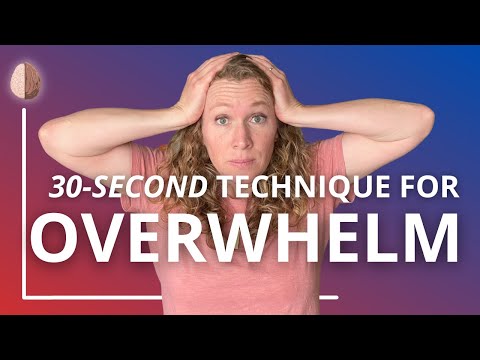
You ever feel like the world is just… too much? Like, you walk outside and it’s a sensory overload? Sounds, lights, people everywhere—it can get pretty intense.
I mean, there are days when even scrolling through social media feels like climbing a mountain. You know, the endless posts and notifications piling up? It’s overwhelming, right?
So many folks deal with overstimulation anxiety these days. It’s not just you. Life throws a lot at us—like way more than we can handle sometimes.
But we can find ways to cope. Seriously, let’s chat about it!
Recognizing the Signs of Overstimulation in Adults: How to Manage Sensory Overload
When you’ve had one of those days where everything just feels too much, you’re not alone. Overstimulation is a real thing, and it can sneak up on you. You might be going about your day, and suddenly, the noise, lights, and even the smell of coffee become overwhelming. The thing is, recognizing the signs early can really help you manage sensory overload.
What exactly is overstimulation? Well, it’s when your senses—like sight, sound, touch—get overloaded with too much information. This can happen in crowded places or during stressful situations. It’s like your brain is trying to process a million things at once but just can’t keep up.
Here are some signs that can tip you off to overstimulation:
- Feeling anxious or irritable. You might snap at someone or feel restless for no clear reason.
- Increased heart rate. If your heart’s racing unexpectedly, that could be a clue.
- Sensitivity to noise. Sounds that usually don’t bother you might start feeling unbearable.
- Tightness in your chest or shoulders. Your body often reacts physically when things get too intense.
- Cognitive overload. You may find it hard to concentrate or make decisions.
So let’s say you’re at a party with loud music and chattering friends. You might have been fine at first but then start feeling overwhelmed as more people come in. That’s your cue—maybe it’s time for a breather.
Now that we know some signs of overstimulation, let’s talk about how to manage it. It’s super important to have strategies ready because life doesn’t always give you time to prep when things get intense.
Here are some ways to cope:
- Create a sensory escape plan. Know where you can go if things get too loud or busy.
- Practice grounding exercises. Focus on your breath or count objects around you to help refocus your mind.
- Take breaks often. Step outside for fresh air or find a quiet corner for a few minutes of peace.
- Avoid multitasking. Try focusing on one thing at a time instead of juggling several tasks; that helps reduce sensory load!
- You could use noise-canceling headphones. They’re great for shutting out chaos when you need a moment of calm!
Imagine you’re sitting in a crowded café trying to read. The loud chatter becomes grating on your nerves. Instead of pushing through it while getting annoyed that you can’t focus—you’d slip on those headphones and zone into some calming music instead.
Taking care of yourself during moments of overstimulation can seriously change how you experience the world around you. And remember: it’s okay to step back when everything feels too heavy. Recognizing what overwhelms you is the first step towards living more comfortably in this noisy world we live in!
Effective Strategies for Managing Overstimulation with ADHD: Tips for Finding Calm
When you have ADHD, dealing with overstimulation can feel, well, like you’re stuck in a never-ending video game where the noise is cranked up to max. It’s hard to focus, and everything just seems way too much. But don’t worry; there are some strategies that can help you find your calm.
First off, creating a safe space is essential. This could be a specific room or even a cozy corner with soft lighting and comfy cushions. You know how sometimes just being in a certain space can make you feel more relaxed? That’s what you’re aiming for here—somewhere your mind can chill out.
Routine is your friend. Try to stick to a daily schedule that includes breaks. For example, if you know mornings are usually hectic, carve out some quiet time before jumping into work or errands. Even five or ten minutes of deep breathing can do wonders.
You might also want to experiment with sensory tools. Fidget spinners, stress balls, or even those noise-canceling headphones could help drown out overwhelming sounds when you’re feeling anxious. I remember my friend once told me how her noise-canceling headphones became her lifeline at noisy coffee shops—totally changed her game!
- Pace yourself: Break tasks into smaller chunks so it doesn’t feel like an avalanche of stuff crashing down on you all at once.
- Ground yourself in the moment: Techniques like mindfulness and meditation can help bring your focus back when chaos reigns.
- Limit screen time: Too much digital stimulation? Yeah, it happens! Designate time away from screens, especially before bed to help wind down.
- Connect with nature: Spend time outside if you can. Nature has this calming effect that really helps level things out.
- Tune into music or sounds that soothe you: Whether it’s classical music or nature sounds, find those tunes that help calm your racing thoughts.
- Talk it out: Share your feelings with someone who gets it—a close friend or therapist who understands what overstimulation feels like for you.
Breathe deeply and remember that finding calm isn’t about eliminating all the chaos around you; rather, it’s about learning how to navigate through it effectively. We’re all just trying our best here!
If things get overwhelming sometimes (which they will), don’t hesitate to reach out for support. After all, we’re meant to do this life together! You got this!
Effective Strategies for Managing Overstimulation When You Can’t Escape Your Environment
Overstimulation is like that feeling when you’re in a crowded room, and the music is too loud, lights are flashing, and everyone’s talking at once. You know what I mean? It can be overwhelming, especially when you can’t just walk away from the situation. Here are some strategies to help manage it when you find yourself stuck.
First off, ground yourself. This means bringing your focus back to the present moment. You can do this by taking deep breaths or paying attention to your five senses. Maybe notice the texture of something nearby or listen closely to a particular sound. This little trick helps pull you out of that frenzy a bit.
Another effective trick is using sensory tools. Think fidget spinners, stress balls, or even noise-canceling headphones. These things can help redirect your energy and focus. If music helps you relax, some calming tunes might be just what you need to drown out the chaos for a bit.
And then there’s the power of pacing. If possible, try moving around gently. Just walking around or stretching for a minute can shift your energy and clear your head some. I remember once walking around outside during a super loud party—it felt like hitting the refresh button on my brain.
Creating personal boundaries is key too. Don’t hesitate to step away if it’s too much. A simple excuse that gives you time alone can make all the difference. Even if it’s just saying you need to grab a drink or take a quick call—go ahead! Real life happens in those brief moments of quiet!
You might also try visualization techniques. Picture yourself in a calming place like a beach or forest—somewhere peaceful where everything feels okay again. I know it sounds cheesy but hey, it works sometimes! Just imagine every detail—the sound of waves or the smell of fresh pine.
Lastly, distracting your mind can work wonders too. Engage in something that pulls your focus away from the stimulation—like playing games on your phone or reading an engaging article (maybe not this one since you’re already here!). It gives your brain something else to latch onto instead of feeling overwhelmed.
Handling overstimulation isn’t easy but finding these little strategies can make all the difference when you’re feeling anxious in that impossible environment! Remember, it’s totally okay to give yourself grace; managing feelings takes practice!
You know, sometimes life just feels like a never-ending carnival, right? Lights flashing, music blaring, and way too many people buzzing around you. That’s overstimulation anxiety in a nutshell. It can hit hard when you’re overwhelmed by sensory input—think bright screens, loud noises, or just a million things happening at once.
I remember this one time at a family gathering. There were kids running everywhere, adults talking over each other, and the TV blaring some ridiculous reality show in the background. It felt like everything was closing in on me. My heart raced, my palms got sweaty—I needed an escape route! But where do you even go when you’re stuck in a room full of people you love?
Coping with that kind of anxiety doesn’t have to be rocket science. First off, recognizing your triggers is key. Maybe it’s crowded places or certain sounds that set you off. Once you know what bothers you, it’s easier to plan ahead—like stepping outside for fresh air or finding a quiet corner for a breather.
Also, it’s okay to say no sometimes. Seriously! If your friends want to hit up that loud concert but you’re not feeling it—just pass! You don’t owe anyone an explanation about your comfort levels.
Another thing that helps is grounding techniques. Ever tried focusing on your breathing? Inhale for four counts… hold for four… exhale for four? It sounds simple but works wonders to bring your brain back to the present moment.
But look, it’s not just about coping; we should also talk self-care—finding those small moments of calm amidst chaos. Maybe it’s sipping tea while watching clouds float by or zoning out with your favorite book or podcast.
And hey, if all these feelings still feel heavy and unmanageable? That’s perfectly okay too! Seeking help from someone—like a therapist—can make all the difference.
At the end of the day, dealing with overstimulation is kinda like training a muscle—it takes practice to get better at managing stress in such a chaotic world. Remember: you’re not alone in this crazy ride called life and there are ways to find peace even amid the noise!