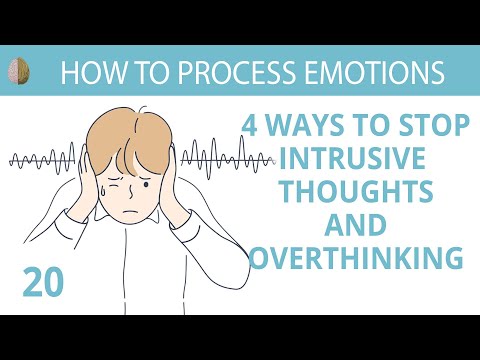
You know that feeling when your brain just won’t shut up?
Yeah, overthinking can be like that annoying friend who never gets the hint.
It sneaks in when you’re trying to relax. You’re lying in bed, and boom—your mind’s running a marathon on what you said earlier, or what might happen tomorrow.
It’s exhausting, right? And if you’ve been there, you’re definitely not alone.
So let’s chat about this thing called overthinking. We’ll unpack why it’s such a struggle and how it messes with your head.
Seriously, you’ll want to stick around for this one!
Is Overthinking a Coping Mechanism? Understanding Its Impact on Mental Health
Overthinking, huh? It’s one of those things that can feel like a double-edged sword. You might find yourself caught in a whirlpool of thoughts, trying to solve problems or prevent mistakes. But let me tell you, overthinking isn’t always as helpful as it seems.
First off, what is overthinking? It’s basically when you run scenarios repeatedly in your mind. Think about how you replay that awkward conversation for the hundredth time or analyze every possible outcome before making a decision. It’s like being stuck on a mental merry-go-round.
You know that feeling when you’re lying awake at 2 AM? Your brain just won’t shut off, right? Well, that’s classic overthinking taking the wheel! It can keep you from getting rest and clarity.
So, is overthinking a coping mechanism? Well, kind of. People often use it as a way to deal with anxiety or stress. It feels like you’re being proactive. But really, it may just shift your focus away from what truly matters—like enjoying the moment or taking action. You might think you’re finding solutions when in reality you’re just cycling through worries.
Here’s the kicker: while occasional overthinking can help clarify things or prepare for challenges, chronic overthinking can really mess with your mental health. It can lead to increased anxiety and even depression because you get trapped in negative thought patterns.
Now let’s break down some impacts on mental health:
- Anxiety: Overanalyzing situations often leads to heightened anxiety levels.
- Indecision: You may struggle so much with making choices that it feels paralyzing.
- Low self-esteem: Constantly questioning your decisions can chip away at how you see yourself.
- Coping skills: Relying on overthinking instead of healthier coping mechanisms means missing out on real solutions.
You ever notice how people sometimes say they’re “just being cautious” when they’re really just caught up in their thoughts? This kind of behavior makes sense—who wants to take risks? But the more we retreat into our heads instead of facing situations head-on, the more we distance ourselves from reality and what could genuinely help us heal.
To be honest, we all have moments where we mull things over too much. Just look around; everyone’s had that conversation where they wish they’d said something different! But finding balance is key. If you notice that your thinking is leaning towards worrying rather than problem-solving, it might be worth exploring other outlets—like talking it out with someone you trust or even jotting down thoughts in a journal.
In the end, don’t beat yourself up for having these thoughts; it’s totally normal. Just remember: while overthinking might seem like protection, sometimes stepping back and letting go can be the real strength needed to move forward positively!
Effective Therapies to Overcome Overthinking and Foster Mental Clarity
Overthinking can feel like being stuck on a mental merry-go-round. You’re going round and round, but you’re not really getting anywhere. It’s exhausting, right? So let’s talk about some therapies that can seriously help clear your mind and help you move forward.
Cognitive Behavioral Therapy (CBT) is one of the most effective strategies for tackling overthinking. Basically, it helps you identify those pesky thoughts that keep swirling around in your head. A therapist will work with you to challenge these thoughts, replacing them with healthier ones. This process can feel a bit awkward at first—like learning to ride a bike. But, over time, it gets so much easier!
Another approach is Mindfulness. This isn’t just about sitting cross-legged and chanting (although some folks swear by that). It’s more about being present in the moment and observing your thoughts without judgment. You know that feeling when you’re washing the dishes and suddenly realize you’ve been lost in thought for ages? Mindfulness teaches you to catch yourself drifting off like that and gently bring your focus back.
Acceptance and Commitment Therapy (ACT) is another gem worth mentioning. It focuses on accepting your thoughts without trying to change them too much. Imagine standing on the shore while waves crash around you—you’re not battling those waves; instead, you’re acknowledging their presence while staying firm on solid ground. This way, overthinking doesn’t control your actions.
Then there’s Exposure Therapy, which might sound intense but is actually super helpful for some people. Even though it’s mostly known for phobias, it can work wonders for overthinking too! You gradually expose yourself to the situations that trigger those spiraling thoughts or anxieties—kind of like slowly dipping your toes in a cold pool until you’re ready to jump in fully.
Lastly, let’s not underestimate Therapeutic Journaling. Writing down what’s swirling in your mind can be liberating! Think of it as dumping all that mental clutter onto paper—once it’s out there, it doesn’t feel as heavy anymore. Plus, you’ll get some clarity just by seeing your thoughts laid out instead of being jumbled up inside.
And hey, if you ever feel overwhelmed by all this information or don’t know where to start—you’re definitely not alone! Sometimes just talking through what feels right for you with a friend or therapist can help lighten the load. Every small step counts towards breaking free from that cycle of overthinking.
So remember: whether it’s CBT or mindfulness techniques, each therapy offers unique tools to help foster mental clarity and ease those racing thoughts away!
Understanding the Ruminator: Overthinking Patterns and Their Impact on Mental Health
Overthinking can be like a hamster wheel for your mind. You know, you’re running and running but not getting anywhere. It’s seriously exhausting! That constant replay of thoughts can twist and tangle up our feelings, leaving us feeling stuck.
So, what’s the deal with ruminating? Basically, it’s when you get caught up in those endless loops of thought. You’re analyzing every detail of a conversation you had days ago or stressing over decisions you made ages ago. It’s like a mental echo chamber that just won’t quiet down.
Here are some typical patterns you might notice:
- Over-analyzing: You dissect everything, wondering if you said the right thing or if your friend is mad at you.
- Catastrophizing: You jump to the worst possible outcome for any situation. Like, if they didn’t text back right away, they must hate you!
- Perfectionism: You dwell on your mistakes because nothing ever feels good enough.
- Dwelling on past experiences: Replaying memories to find what went wrong—sometimes even years later.
This stuff can be tough because overthinking often leads to anxiety and depression. The more you ruminate, the more overwhelmed you might feel. It’s like digging yourself deeper into a hole—you just keep going down without realizing it until it feels impossible to climb out!
A lot of times, this pattern kicks in when we’re stressed or feeling insecure about ourselves. For instance, think about that moment when you bombed a presentation at work. Instead of moving on, maybe your brain keeps replaying how awkward it felt or how people reacted. And each time it does that, your stomach knots up even tighter!
The impact on mental health is pretty significant. Ruminators often report feelings of low self-esteem and increased anxiety levels. Plus, they may experience trouble sleeping since their minds are racing all night long! I mean, who hasn’t laid awake staring at the ceiling thinking about every little thing that went wrong?
If you’re wondering how to break out of this cycle…
- Acknowledge your thoughts: Recognize when you’re spiraling instead of just getting lost in them.
- Set a time limit: Give yourself 10-15 minutes to think about whatever’s bugging you and then move on.
- Talk it out: Sometimes sharing your thoughts with someone close can help put things into perspective.
- Meditate or practice mindfulness: These techniques can help train your mind to focus more on the present rather than dwelling on the past.
The key takeaway here is that ruminating doesn’t have to define your mental health journey. It’s totally possible to retrain your brain into healthier thought patterns over time—with some patience and practice! So next time you’re caught in that loop, remember it’s okay; there’s always a way through it!
Overthinking, huh? It’s one of those things that just creeps in and takes over your head, like an uninvited guest that won’t leave. You sit down to relax and all of a sudden, your mind is racing through a million different scenarios. It’s exhausting, isn’t it?
I remember a time when I was just lying in bed trying to sleep. Instead of dozing off, my brain started replaying every little mistake I made that day—like that awkward silence during lunch or the way I might’ve sounded dumb in that meeting. Seriously, I laid there for hours thinking about what I could’ve done differently. It was like a nonstop loop of «what ifs» and «should haves,» making me feel so anxious it was hard to breathe. That’s when it hit me: overthinking can feel like drowning in your own thoughts.
The thing with overthinking is that it often hides behind the guise of being “deep” or “thoughtful.” You might think you’re just being careful or preparing for the future. But really, it’s just your mind going into hyperdrive. And let me tell you—it doesn’t lead anywhere good. Instead of finding solutions, you end up spiraling deeper into worry and self-doubt.
You know what’s wild? Sometimes we don’t even realize we’re doing it. You could be at work or hanging out with friends, but your brain is busy dissecting any comment someone made or second-guessing decisions you’ve already made. Ugh! It’s like trying to enjoy a fun time while juggling flaming swords; not exactly relaxing.
So yeah, recognizing when you’re overthinking is kinda crucial. It’s about catching those moments where you can tip the scales back toward some kind of peace instead of chaos. And if you find yourself stuck in those loops often, don’t be shy about reaching out for help—whether it’s chatting with a friend or talking to someone who knows more about this stuff than we do.
In the end, it’s all about learning to quiet that critical voice in your head that’s always pushing you to analyze everything endlessly. Remember—sometimes it’s okay not to have all the answers right away and just let life unfold as it may.