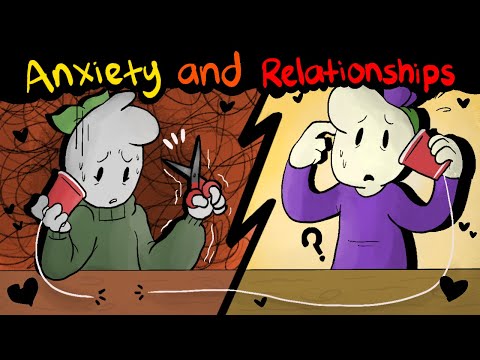
Okay, so let’s talk about overthinking, especially when it comes to relationships. You know that feeling when your mind just won’t shut up? Like, you’re replaying every conversation, analyzing every text? Yeah, that.
It can feel exhausting! And honestly, it messes with your head. Overthinking not only puts a strain on your relationship but also leaves you feeling anxious and drained.
Ever found yourself spinning in circles about what someone meant with their emoji? Or questioning if they like you enough? It’s like being stuck in a loop. Most times, we don’t even realize we’re spiraling.
But here’s the deal: understanding how this all works can make a big difference. Let’s dig into how overthinking affects not just your love life but your mental health too. Trust me; it’s worth exploring!
Understanding Overthinking in Relationships: Is It Normal and How to Cope?
Overthinking in relationships? Yeah, it’s more common than you might think. You know, when you think about every little thing your partner says or does? It can really mess with your head and your heart.
So, let’s break it down. First off, overthinking is basically when you can’t stop going over something in your mind. Like re-reading a text message a hundred times to figure out if there’s a hidden meaning. The thing is, it often leads to anxiety and stress, which can affect our mental health in big ways.
In relationships, overthinking can pop up like an unwanted guest at a party. Maybe you’re worried about whether you’re giving enough love or if they’re losing interest. Seriously, these thoughts can spiral into self-doubt and insecurity.
Here are some key points to consider:
Coping with overthinking is totally doable! Here’s what might help:
Let me share a quick story. A friend of mine started overthinking every date she went on—like whether she laughed too much or if she said the wrong thing. One day she decided to open up about it to her date rather than keeping it bottled up inside. To her surprise, he totally understood and shared that he felt anxious too! Their connection deepened that night simply by sharing their worries.
So yeah, overthinking in relationships is pretty normal but doesn’t have to dictate how things go for you. It takes practice and patience to manage those thoughts—and that’s totally okay! Every step counts when it comes to feeling better in love and life.
Top Therapies to Overcome Overthinking in Relationships: Find Clarity and Connection
Overthinking in relationships is like getting stuck in a mental maze. You start at one point and before you know it, you’re going round and round, questioning everything. This can lead to anxiety, insecurity, and even distance from your partner. If you’re feeling this way, there are some **top therapies** that can help you clear that mental fog and reconnect.
Cognitive Behavioral Therapy (CBT) is one of the most effective approaches for overthinking. It focuses on identifying negative thought patterns and replacing them with more positive, realistic ones. For instance, if you find yourself spiraling into worrying thoughts about your partner’s feelings, a therapist might help you challenge those thoughts. Instead of thinking «They must be upset with me,» you could learn to reframe it as «They might just be busy.» It’s all about shifting perspectives.
Then there’s Mindfulness-Based Therapy. This approach encourages being present in the moment rather than letting your mind race ahead into “what ifs.” You practice observing your thoughts without judgment. This helps create space between you and your overthinking tendencies. Like when you’re talking to your partner: instead of replaying old arguments in your head, mindfulness teaches you to focus on what’s happening right now.
Another helpful method is Emotionally Focused Therapy (EFT). This style emphasizes understanding the emotional bonds between partners. When overthinking kicks in, it often stems from fears about connection or loss—EFT can help highlight these emotions. By discussing how each person feels during conflicts or misunderstandings, couples can foster closeness instead of drifting apart.
Lastly, Acceptance and Commitment Therapy (ACT) encourages acceptance of thoughts without letting them control your actions. So instead of battling those nagging worries—like fearing rejection—you learn to accept that these feelings exist but don’t define your relationship’s reality. It’s about taking committed action toward what truly matters to you and your partner.
On a personal note, I remember a friend who was constantly worried her boyfriend wasn’t as invested as she was. She’d replay their last conversations again and again looking for clues—seriously exhausting! After some therapy sessions focusing on CBT techniques coupled with mindfulness practices, she started recognizing her patterns. The shift wasn’t instant but slowly she learned to communicate instead of second-guessing herself.
Using these various therapeutic approaches can really help curb overthinking in relationships while fostering clearer communication and deeper connections between partners. The journey might not be easy—it requires work—but the rewards are so worth it!
How Overthinking Can Impact Your Mental Health: Understanding the Connection
Overthinking can really mess with your mental health. Seriously, it’s like your brain is running a marathon, but you’re just sitting on the couch. When you start to overthink, especially about relationships, things can spiral into a whirlwind of anxiety and stress. You might think you’re just trying to figure stuff out, but what happens is you get stuck in a loop.
When you’re overthinking relationships, your mind could be racing through every little detail. Did I say something wrong? What did they mean by that text? It’s exhausting! This kind of constant questioning can lead to feelings of insecurity and self-doubt. You start analyzing everything like it’s some giant puzzle that needs solving, but guess what? The more you dig, the deeper the hole gets.
Here’s how this affects your mental health:
- Anxiety and Stress: Overthinking leads to high anxiety levels. You know that tight feeling in your chest when you’re worried about something? That’s real stress kicking in.
- Depression: If you’re constantly second-guessing yourself or fearing the worst case scenarios in relationships, it can bring on feelings of sadness or hopelessness.
- Isolation: The more you overthink, the less likely you are to reach out to friends or partners for support. You feel alone in those thoughts.
- Decision Paralysis: Sometimes overthinking makes it super hard to make even simple choices—like where to go for dinner! You end up paralyzed by too many options.
You know how we all have that one friend who can’t seem to stop analyzing everything about their love life? Maybe they obsessively replay conversations or worry about tiny things they said. It’s tough watching them deal with this because you see how it affects their mood and confidence. That constant over-analysis can turn even the best situations into stress-fests.
Now let’s talk ways to cope with this habit of overthinking. Like seriously? It’s not easy, but some tricks do help:
- Meditation: Just taking a few minutes a day to breathe and refocus can work wonders for calming an anxious mind.
- Journaling: Writing down thoughts can help clear up some of that mental clutter. It gives those swirling thoughts somewhere else to go!
- Talk it out: Share your feelings with someone you trust—a friend or therapist can help put things into perspective.
In short, when you find yourself stuck in an overthinking spiral—especially about relationships—it’s crucial to be aware of how it impacts your mental health. Remember: it’s totally fine to reflect on things and seek clarity, but don’t let those thoughts run wild unchecked! Taking some steps towards managing those thought patterns could ease the load lifting that weight off your shoulders.
Overthinking relationships is one of those things that can sneak up on you, right? You might be chatting with a friend, and suddenly you’re caught up in your head, analyzing every little thing. It’s like a hamster wheel of thoughts: Did I say the wrong thing? Do they really like me? What if they don’t text back? Ugh, it’s exhausting.
I remember a time when I was hyper-focused on every interaction with this person I liked. I replayed our conversations in my head over and over. Even the smallest details—like a pause between words—sent me spiraling. It felt like every word was a puzzle piece I had to fit together to figure out what they really thought about me. Spoiler alert: it just added more stress. Instead of enjoying getting to know someone, I was busy creating scenarios that probably didn’t even exist.
And here’s the kicker: all that overthinking messed with my mental health. Anxiety started creeping in like an uninvited guest at a party. Sleepless nights became common as my brain refused to shut down, and even simple interactions left me feeling drained. That’s what happens when we get too wrapped up in our own thoughts; we lose the joy of just being present.
The thing is, relationships should be about genuine connection, not this endless cycle of worry and doubt. But when you’re stuck in your head, it can feel impossible to break free from that loop. So how do you find balance? It takes practice, but learning to focus on the moment can help—like reminding yourself that it’s okay not to have all the answers right away.
You know, talking things out with friends or even putting pen to paper can lighten that mental load. Sometimes just airing out those fears makes them feel way less scary. And hey, if needed, reaching out for professional help could offer tools and techniques to manage those overwhelming feelings.
In the end, relationships should be about connecting and sharing experiences—not stressing over “what ifs.” Taking a step back from overthinking allows you to enjoy what’s happening now instead of getting stuck in your head all the time. That’s where true connection lives—right in the present moment!