Hey, you know those moments when everything just feels too much? Your heart’s racing, thoughts are spinning, and it’s like you can’t catch a break? Yeah, we’ve all been there.
Well, what if I told you that something as simple as your breath could help? Seriously!
Paced breathing techniques are like little gems for your emotional wellbeing. It’s almost magic how focusing on your breathing can calm the chaos.
So, let’s chat about how this works and why it might be just what you need to find some peace in those crazy moments. Sound good?
Mastering Your Emotions: The Power of Breathing Techniques for Emotional Control
Let’s talk about emotions and breathing, yeah? Emotions can sometimes feel like a tidal wave crashing over you. One moment you’re fine, and then bam—you’re overwhelmed. But here’s where breathing techniques come in. They’re like your emotional life jacket. Paced breathing is pretty powerful for regaining control when things get intense.
You might be wondering how breathing can really help, right? Well, the thing is, when we get stressed or anxious, our breathing tends to speed up. It’s that fight-or-flight response kicking in. Slowing down your breath has this calming effect on the body and mind. It tells your brain: “Hey, we’re safe.”
There are a few simple techniques you can try out:
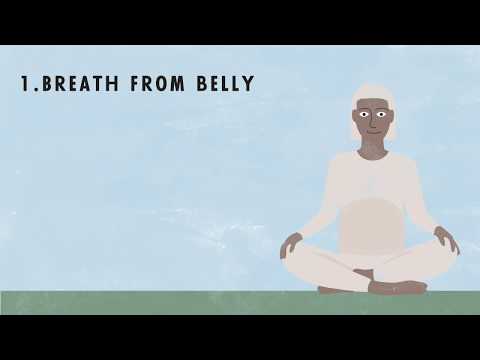
- Diaphragmatic Breathing: This is where you breathe deeply from your belly rather than your chest. When you inhale, let your belly rise instead of just puffing out your chest.
- The 4-7-8 Technique: Inhale quietly through your nose for 4 seconds, hold your breath for 7 seconds, and then exhale slowly through your mouth for 8 seconds.
- Box Breathing: Breathe in for 4 counts, hold it for another 4 counts, exhale for 4 counts, and hold again for 4 before repeating.
Each of these techniques helps you focus on the present moment instead of getting lost in those swirling emotions.
But let me share a quick story with you. A friend of mine was going through a really tough time—job stress and relationship issues piling up like laundry on a chair. She felt anxious all the time and wasn’t sleeping well at night. Then she discovered paced breathing. At first glance, it seemed too simple to help her out, but she decided to give it a shot anyway.
She started practicing the 4-7-8 technique every night before bed. Seriously? Within just a week or two, she noticed her racing thoughts slowing down during those moments when everything felt overwhelming. She could feel the tension easing off her shoulders—like an emotional weight lifting bit by bit.
That’s what these breathing techniques can do—they offer you a lifeline when those strong feelings want to drag you under. By focusing on how you breathe instead of being swept away by anxiety or sadness, you regain some control over how those emotions impact you.
Okay, so remember that mastering emotions is like training any other skill—it takes practice! You won’t nail it overnight; that’s part of being human. Just keep trying different techniques until one clicks for you.
So next time life hits hard and emotions run wild? Pause for a second and take some deep breaths; give these paced breathing methods a shot! You might just find they work wonders in helping to smooth out that emotional rollercoaster we all ride from time to time.
Mastering Calm: Understanding the 4-4-8 Breathing Rule for Better Mental Health
Mastering calm can feel like a big task, especially when life throws you those unexpected curveballs. But one simple tool you can use is the **4-4-8 breathing rule**. It’s easy to remember and can really help you chill out, which is super important for your mental health.
So, what’s the deal with this technique? The *4-4-8 method* is all about how you breathe. You inhale for four seconds, hold your breath for four seconds, and then exhale slowly over eight seconds. Sounds pretty simple, right? Here’s why it’s helpful:
- It slows down your heart rate: When you’re anxious or stressed, your heart races. By focusing on this breathing rhythm, you can lower that racing heart.
- Reduces anxiety: Deep breathing sends signals to your brain to relax. So while you’re feeling jittery or overwhelmed, this technique can kick-start a sense of calm.
- Improves focus: Breathing deeply allows more oxygen to flow to your brain. With that boost, you’re likely to think clearer and make better decisions.
- Enhances emotional regulation: When emotions run high, it’s easy to feel overwhelmed. This breathing technique gives you a way to center yourself again.
Let’s talk about how it feels in real life. Imagine you’ve just had a frustrating day at work. Your boss laid on some last-minute tasks that made you feel like you’re drowning in stress. Instead of spiraling into overwhelm (which we’ve all done), try sitting quietly for a moment and practicing the 4-4-8 method.
You close your eyes (if that helps) and breathe in through your nose for four seconds—one… two… three… four… You hold it in for another four—one… two… three… four… Then slowly let go with an audible sigh over eight seconds—one… two… three… four… five… six… seven… eight… After just a few rounds of this, notice how the tension starts melting away.
Of course, it might not always be perfect right away; sometimes it takes practice to settle into the rhythm of your breath. And even if you’re feeling skeptical at first or think it sounds too simple, give it a shot anyway! The beauty of breathing techniques is that they don’t require fancy equipment or special skills—you just need yourself and some time.
Integrating the **4-4-8** into your daily routine could be as easy as setting aside a few minutes during lunch breaks or right before bed when everything feels overwhelming or chaotic. It’s super flexible—you can do it anywhere! Whether you’re stuck in traffic or waiting for an appointment, just try focusing on those counts.
While mastering calm isn’t an overnight success story—it takes time and effort—the 4-4-8 breathing rule can be a strong ally in easing those tough moments and improving overall emotional wellbeing!
Calm Your Mind: Effective Breathing Exercises to Alleviate Anxiety
So, you’re feeling anxious, huh? That’s totally normal. We all have those moments when our minds just won’t chill out. One effective way to calm that storm is through breathing exercises. Seriously, it sounds simple, but it can really work!
Paced breathing techniques are some of the most helpful tools you can use for emotional well-being. You know how sometimes when you’re super stressed, your breath gets all shallow and quick? Yeah, that happens to me too. What we want to do is reverse that cycle by taking slower, deeper breaths. This tells your brain it’s time to relax.
One popular method is called the 4-7-8 technique. It’s pretty straightforward: you inhale for 4 seconds, hold that breath for 7 seconds, and then exhale for 8 seconds. Just imagine drawing in calmness with each inhale and letting go of tension as you exhale. It sounds simple, but it can be powerful! Try it out the next time you’re feeling overwhelmed.
- Inhale deeply: Fill your lungs fully for 4 seconds.
- Hold: Keep that breath in for 7 seconds.
- Exhale slowly: Let it all out over 8 seconds.
The great thing about this technique is that you can do it anywhere—seriously! If you’re at work feeling anxious about a deadline or just chilling at home watching Netflix thinking too much about life, just pause and practice this breathing pattern.
If you’re looking for something a bit different, try the box breathing technique. This one’s easy as pie to remember! Picture a box in your mind:
- Breathe in: Inhale deeply for 4 seconds (one side of the box).
- Hold: Hold that breath again for another 4 (second side).
- Breathe out: Exhale slowly over 4 seconds (third side).
- Hold again: Wait another 4 before starting over (fourth side).
This has a great rhythm to it – kind of like a calming metronome ticking away stress. I remember a friend who was facing anxiety before big presentations; once he started using box breathing, his nerves lessened significantly!
An important part of these exercises is finding a comfortable position. Whether that’s sitting up straight or lying down on your bed doesn’t matter too much; just make sure you’re comfy enough to focus on your breath without distractions. Oh! And don’t forget to close your eyes if you’re comfortable with that—it can really help center you even more.
You might be wondering how often to practice this stuff—like every day if possible! Even doing these exercises just once or twice daily can build up those calming vibes in your life. And don’t worry if things feel awkward at first; you’ll get used to it with practice!
If you’ve tried these techniques and still feel anxious sometimes—that’s ok too! Life throws curveballs at everyone. But knowing there are tools like paced breathing can make a big difference when you need them most.
The idea here is simple: breathe better; feel better. So take a moment each day—whether it’s during lunch breaks or before bed—and see how focusing on your breath changes the way you handle stress.
Your mind deserves some peace and quiet now and then. Give these techniques a shot—you might find they’re just what you need!
You know those moments when everything feels super overwhelming? One second, you’re just chilling, and the next, your heart races like it’s training for a marathon. It’s annoying, right? That feeling can really mess with your head. But one thing that can help is something called paced breathing techniques. They’re not some magical cure-all, but they can definitely help you find some calm in the chaos.
A while back, I was having one of those days where it felt like nothing was going my way. I was sitting at my desk, trying to focus on work, but my mind kept racing. I could feel the anxiety creeping in. That’s when my friend suggested trying paced breathing. At first, I thought it sounded kind of silly—like how could just breathing change anything? But I figured I’d give it a shot.
So here’s what happened: I took a moment to close my eyes and started focusing on my breath—inhaling slowly through my nose for a count of four, holding it for another four counts, and exhaling gently through my mouth for six counts. It felt weird at first; I could hear myself breathing like it was echoing in a quiet room. But slowly, something shifted. With each cycle of breath, that tightness in my chest eased up a bit more.
Paced breathing isn’t just about getting air into your lungs; it’s like hitting the reset button on your brain. You’re not just focusing on what’s stressing you out anymore; you’re giving yourself permission to slow down and be present—if only for a few moments. When we stress out or get anxious, our bodies go into this fight-or-flight mode—so all this adrenaline rushes around making us feel jittery and panicky. By taking these slow breaths, you’re telling your body: “Hey! It’s cool; we don’t need to freak out.”
And the best part? You can do this anywhere! In line at the grocery store or before jumping into an important meeting. Just imagine sitting there quietly while everyone else is buzzing around you—you look all calm and collected while inside you might be feeling like a storm is brewing.
Not saying it’ll fix everything—it won’t magically erase all your problems—but it does give you that little buffer space when life gets tough or messy. It becomes easier to deal with whatever’s going on because you’ve given yourself those few moments of peace.
So the next time life throws you a curveball or when emotions start bubbling up too high—just remember: breathe slow and steady like you’re savoring your favorite snack instead of inhaling it whole! You might just find that sweet spot of calm amidst all the craziness around you.