Okay, so let’s talk about relationships. They can be amazing but also pretty messy sometimes, right?
Ever feel like you and your partner are just kinda drifting? Like, you’re in the same room but miles apart? Yeah, it happens to the best of us.
That’s where this thing called Pact Couples Therapy comes in. It sounds a bit fancy, but it’s really just a way to help couples reconnect and communicate better.
Imagine being able to really understand each other’s needs without all the drama. Sounds nice, right?
In this chat, we’ll break down how Pact can actually enhance your relationship. Trust me; it could be a game changer!
Exploring the PACT Institute: Transforming Mental Health through Innovative Therapy Approaches
Alright, let’s talk about the PACT Institute and its approach to mental health, particularly when it comes to couples therapy. You might be curious about how they’re shaking things up in the therapy world. So, let’s break it down.
PACT stands for Psychobiological Approach to Couple Therapy. It’s built on the idea that our emotional experiences and physical responses are super connected. Basically, when you have a strong emotional reaction, your body feels it too—like butterflies in your stomach or a racing heart. This link is central to understanding how couples interact with each other.
One of the key things PACT focuses on is attachment theory. This means it looks at how people bond with each other based on their early relationships—like with parents or caregivers. Think about it: if you didn’t feel secure and cared for growing up, you might struggle with trust and intimacy in adult relationships. So, PACT helps couples identify these patterns and work through them together.
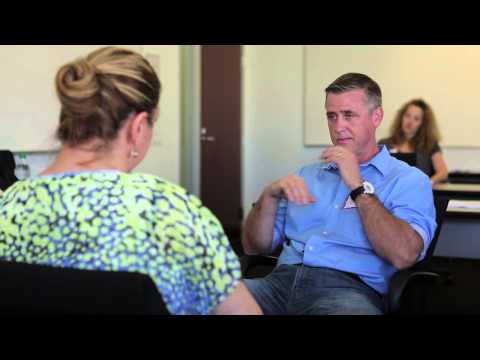
In a typical PACT session, you’d likely find a mix of talk therapy, role-play exercises, and even physical interaction techniques. The therapist might observe how you react to each other in real-time situations. This way, they can help you recognize triggers—those things that make you go from calm to chaos in a heartbeat.
Many couples find this approach invaluable because it promotes emotional connection. For instance, one couple I know was struggling after years of resentment built up over uncommunicated needs. Through PACT, they learned not just to express what they felt but also to understand why they felt that way. In turn, this made space for empathy and open dialogue instead of heated arguments.
Another important aspect of PACT is the focus on presence. What does that mean? Well, it’s about being fully engaged with your partner in the moment—not just physically present but emotionally available too. It encourages both partners to tune into each other’s feelings and needs actively.
And guess what? This can also lead to better communication skills overall. When couples learn how to express their emotions constructively instead of bottling them up or lashing out, relationships can transform dramatically for the better.
To sum it all up: if you’re looking for an innovative way to tackle relationship issues, the PACT Institute’s methods could provide some fresh perspectives and tools worth considering. They emphasize understanding emotional patterns while building deeper connections between partners—a game-changer for many couples out there!
Unlocking Harmony: The Most Effective Couples Therapy Techniques for Lasting Relationships
Couples therapy can be a game changer in relationships, and one effective approach is PACT, or Psychobiological Approach to Couple Therapy. This technique digs deep into each partner’s emotional experiences while considering attachment styles and how they influence communication. So let’s explore some of the most effective techniques from PACT that can really help unlock harmony in your relationship.
Understanding Attachment Styles is key in PACT. Each partner has their own way of connecting based on their past experiences. You might be secure, anxious, or avoidant. For instance, if one partner often seeks closeness but the other pulls away, it can create tension. Recognizing these styles helps couples understand each other better. You know what they say: knowledge is power!
Emotional Accessibility is another biggie. This means being open about your feelings and encouraging your partner to do the same. It’s not just about sharing happy moments; it’s also about talking through frustrations and fears. You may think “Oh, I don’t want to burden them,” but sharing these emotions fosters intimacy—really!
Another vital technique involves Creating a Safe Space. When you’re in therapy together, it’s crucial that both of you feel safe expressing thoughts without fear of judgment or retaliation. Imagine sitting down with your partner and knowing you can say anything—like how anxious you feel about work or even small annoyances without it turning into a fight. It’s liberating!
Active Listening plays a huge role too. It involves not just hearing what your partner says but genuinely understanding their perspective. Repeat back what you’ve heard for clarity; it shows you care and are invested in their feelings. So let’s say your partner says they’re feeling overwhelmed at work; you might respond with something like, “So you feel stressed because there are tight deadlines?” It’s simple but powerful.
Also, practicing Repair Attempts during conflicts is essential for lasting harmony. This means reaching out to reconnect after disagreements—like making a light-hearted joke or offering a small gesture of affection after an argument. These attempts can help de-escalate situations before they spiral out of control.
Finally, focusing on Shared Goals helps couples align their visions for the future while fostering teamwork within the relationship. Setting these common objectives creates unity and gives both partners something to look forward to together—a vacation planned months ahead or saving for a new home really brings people together!
So basically, PACT offers tools that go beyond typical communication skills—it encourages deeper understanding and connection through awareness of emotional undercurrents in relationships—pretty cool stuff! If both partners commit to using these techniques regularly, it can seriously strengthen that bond over time!
Essential Principles of Couples Therapy for Lasting Relationships
Couples therapy can be a game changer for many relationships. It’s all about figuring out how to communicate better, resolve conflicts, and understand each other more deeply. Pact Couples Therapy, in particular, emphasizes the emotional connection between partners. Here’s what you should know about some essential principles that can help make your relationship last.
First off, let’s talk about safe emotional connections. In Pact therapy, it’s crucial for both partners to feel secure sharing their feelings without fear of judgment. Think about a time when you opened up to someone and felt totally heard—that’s the vibe you’re aiming for. When you create a safe space, it makes it easier to talk about vulnerabilities and fears.
Another biggie is the concept of attachment styles. Everyone has different ways of relating to others based on their early experiences. Some folks might be more anxious or avoidant when it comes to intimacy. Recognizing these styles can help partners understand why they react the way they do during conflicts. For example, if one person pulls away during a tough conversation, knowing they have an avoidant attachment style helps the other partner not take it personally.
Next up is understanding triggers. We all have things that push our buttons. In couples therapy, identifying these triggers can be super helpful in reducing arguments. Maybe one partner feels unsupported when the other is distracted on their phone during important talks. Recognizing this pattern means both can work together to change it—like agreeing on phone-free times for deeper conversations.
Then there’s repair attempts. This is all about those little gestures or comments you make after a fight to reconnect. One partner might say something silly just to lighten the mood or touch the other’s arm as a sign of affection. These attempts are vital because they show you’re trying to mend what was broken and keep moving forward together.
Also important in couples therapy is fostering empathy. This involves stepping into each other’s shoes and really trying to understand where the other person is coming from— like when your partner had a rough day at work; instead of brushing it off, leaning in and asking how you can support them speaks volumes.
Lastly, let’s not forget about commitment. Being dedicated to each other’s happiness and growth goes a long way in any relationship. It’s not just about being together physically; it’s also emotional and mental teamwork—a commitment that takes effort over time.
In summary, enhancing relationships through Pact Couples Therapy really centers on those essential principles: creating safe connections, understanding attachment styles, recognizing triggers, making repair attempts, fostering empathy, and maintaining commitment. It’s all about building something strong that lasts through good times and bad—because every couple faces challenges at some point! So if you’re looking for ways to deepen your connection with your partner, these principles are definitely worth considering!
Relationships can be so complex, right? I mean, one day you’re sharing laughs over coffee and the next, you’re in a disagreement over who left the dishes in the sink. It’s such a rollercoaster sometimes! That’s where something like Pact Couples Therapy comes into play.
So here’s the deal with Pact: it’s kind of this blend of attachment theory and emotionally focused therapy. Essentially, it gets into how our childhood experiences shape how we connect with others as adults. When I first heard about it, I thought, “Wow, that makes total sense!” You know? It helps couples understand their patterns and what pushes each other’s buttons.
I remember my friend Sarah telling me about her experience with therapy after a rough patch in her relationship. She and her partner just seemed to always misinterpret each other’s intentions, which caused these crazy arguments that never really resolved anything. They decided to try Pact Couples Therapy and what stood out for them was how much they learned about their own emotional triggers—stuff rooted deep from when they were kids! It opened their eyes to why they reacted the way they did during conflicts.
And it’s not just about understanding; it’s also about building tools for better communication. Like, when you know your partner’s triggers or their emotional needs, you can actually work on not stepping on those landmines! They started practicing things like taking breaks if tensions flared up instead of letting everything blow up. Sarah mentioned this feeling of relief after sessions—the mood changed at home as they both felt safer to express themselves without fear of judgement.
Pact therapy encourages vulnerability too, which is like a breath of fresh air in a relationship. Being able to be seen and understood by your partner? That’s gold! And honestly? You’d be surprised at how much just being able to talk openly can heal wounds.
So yeah, if relationships are feeling like more hard work than fun sometimes, exploring something like Pact Couples Therapy could make all the difference. It’s all about enhancing those connections through understanding yourself and your partner better—pretty powerful stuff if you ask me!