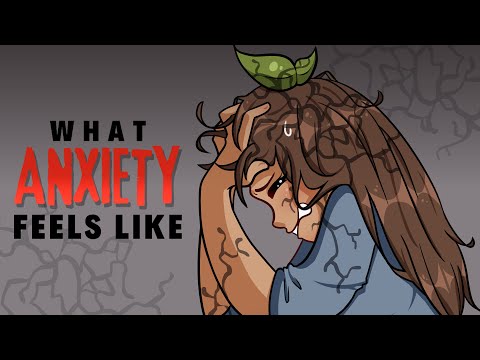
You know that feeling when your heart starts racing out of nowhere? Like, you’re just chilling, and then boom! It’s like you’ve just run a marathon, but you haven’t even moved off the couch.
Yeah, that’s a panic attack for ya. Seriously, it can hit you when you least expect it. And trust me, it’s no walk in the park.
If you’ve ever experienced that intense fear or overwhelming anxiety, you’re not alone. So many folks go through it and often don’t even realize what’s happening.
Let’s chat about those symptoms. Figuring them out is super important for feeling better. You with me?
Understanding the Difference: Panic Attacks vs. Anxiety Attacks Explained
So, let’s get real for a sec. If you’ve ever felt like your heart was racing, or you’re fighting to catch your breath, you might have had a panic attack. But what the heck is the difference between panic attacks and anxiety attacks? It’s easy to mix them up, but understanding these two can seriously help with your mental health.
Panic attacks usually come on suddenly and are intense. You might feel overwhelming fear or a sense of impending doom. The crazy part? Sometimes they pop up out of nowhere, even when you’re just chilling on the couch. It’s like your body’s alarm system goes off for no apparent reason.
Here are some common symptoms of panic attacks:
- Your heart is pounding like it’s in a rock concert.
- You can’t breathe properly—feels like you’re suffocating.
- You might feel dizzy or lightheaded.
- Your chest could hurt—it’s terrifying!
- You get super sweaty and shaky.
Now, that’s rough, right? But the thing is, panic attacks usually last around 10 minutes. There’s often this rush of fear that feels unbearable but ultimately eases off, leaving you feeling exhausted and confused.
Anxiety attacks, on the other hand, tend to build up over time. They’re more like this slow burn where stress from work or personal issues creeps in. It doesn’t just hit you all at once; it’s almost as if you’re riding an emotional wave that gradually gets bigger until you’re overwhelmed by it all.
When it comes to symptoms of anxiety attacks, they can include:
- Persistent worry about everyday issues—like money or relationships.
- A feeling of restlessness or being on edge.
- Difficulty concentrating because your mind is racing.
- You may experience muscle tension that just won’t quit.
The trick here is understanding that anxiety attacks can last hours or even longer. It’s that constant feeling of being stressed out rather than those sharp spikes of fear you get with panic attacks.
I remember this one time when my friend’s brother had a panic attack right before an important presentation at work. He felt his heart racing and couldn’t breathe well—it scared him so much that he thought he was having a heart attack! When he finally calmed down after about 10 minutes, he could barely remember what happened during those intense moments. On the flip side, my friend struggles with anxiety that builds up over weeks at school—constantly stressed about grades and future plans—and it drains her energy without any huge moments of panic but keeps her feeling constantly low-key miserable.
If you’ve been dealing with either kind of attack, recognizing what distinguishes them can really help you find ways to cope better. A therapist could be super helpful—seriously! They’ll work with you to create strategies tailored for whatever you’re facing.
In short: Panic = sudden & severe; Anxiety = gradual & ongoing. Knowing how they differ helps not just in handling symptoms but also in figuring out what support will be best for you moving forward!
Identifying Anxiety Attack Symptoms: What to Look For and How to Cope
Anxiety attacks can feel like you’re stuck in a rollercoaster ride that you never wanted to get on. You know, the kind where your heart races, and your thoughts spiral out of control? Recognizing those symptoms is super important because it helps you figure out what’s happening and how to cope.
So, let’s break it down. When an anxiety attack hits, you might notice some of these symptoms:
- Increased heart rate: You may feel like your heart is pounding or racing.
- Shortness of breath: It can feel like you can’t catch your breath.
- Dizziness or lightheadedness: Balance can feel off, making you think you’ll pass out.
- Chest pain or discomfort: This might feel like a tight band around your chest.
- Nausea or stomach issues: Your tummy might twist in knots or feel unsettled.
- Sweating or chills: You could suddenly start sweating like you’ve just run a marathon.
- Tingling sensations: This often happens in the fingers or toes; it’s not uncommon.
- A feeling of unreality: Sometimes, it might seem like everything around you isn’t real.
One time, a friend told me about her first panic attack. She was at the grocery store when she suddenly felt dizzy and thought she was going to faint. Her heart raced so fast she thought she might have a heart attack! It was terrifying for her, but once she recognized what was happening—she realized it was just an anxiety attack—it became easier to cope with those feelings in the future.
Coping with anxiety attacks doesn’t have to be overwhelming. Here are some strategies that could help:
- Breathe deeply: Inhale slowly through your nose and exhale through your mouth. Counting while you breathe can help too!
- Ground yourself: Focus on the present moment by identifying five things you see, four things you can touch, three things you hear, two things you smell, and one thing you taste.
- Talk it out: Chatting with someone about what you’re feeling can lift that weight off your shoulders.
- Create a calm environment: If possible, step outside for fresh air or find a quiet space where you can relax.
It’s pretty common for folks to experience anxiety attacks at some point. Recognizing those symptoms early on allows you to take action before they ramp up into something more intense. Remember: it’s okay to seek help from professionals if these feelings become frequent; they’re trained to support people exactly like us.
So next time those symptoms kick in—don’t panic! Just take a breath and remember: you’ve got this!
Ultimate Guide to Ending Panic Attacks: Proven Strategies for Lasting Relief
Panic attacks can be really intense. You know that feeling when your heart races, you feel dizzy, or like you can’t catch your breath? It’s pretty terrifying. Recognizing the symptoms is the first step toward managing these episodes. Here’s what it looks like:
Common Symptoms of Panic Attacks
- Your heart starts racing—like you’re running a marathon, even when you’re sitting still.
- You might feel short of breath or like there’s a heavy weight on your chest.
- It’s not uncommon to feel dizzy or lightheaded, almost as if you might faint.
- You could experience a tingling sensation in your hands or feet, even numbness.
- Some people report feeling detached from reality, almost like they’re watching themselves from the outside.
So what do you do when panic knocks on your door? There are strategies to help you feel more grounded and equipped to deal with it.
Proven Strategies for Relief
- Breathing Techniques: Seriously, focusing on your breath can be a game-changer. Try inhaling deeply through your nose for four counts, holding it for four counts, and then exhaling slowly through your mouth for six counts. Doing this can help calm that racing heart.
- Grounding Exercises: These are all about bringing yourself back to the moment. You could try the 5-4-3-2-1 method: name five things you see around you, four things you can touch, three sounds you can hear, two smells around you, and one thing you can taste.
- Meditation and Mindfulness: These practices may seem fluffy at first but give ‘em a shot! They train your brain to focus better and reduce anxiety levels over time. Even just a few minutes daily can make a difference.
- Avoid Caffeine: If you’re prone to panic attacks, consider cutting back on caffeine. It’s known to spike anxiety levels in some folks—sorry coffee lovers!
Oh! And while it’s tempting to hold everything in during an attack—or even afterwards—talking about what happened with someone who gets it can really help too. Sharing experiences makes things less isolating.
Lastly, if panic attacks are disrupting daily life or becoming more frequent, don’t hesitate to reach out for professional help. Therapists or counselors often have tools tailored just for this stuff.
In short, recognizing those symptoms is vital—it puts you in control. Combine awareness with these strategies and you’ll find managing panic attacks is totally possible!
Panic attacks can feel like you’re suddenly being thrust into a chaotic storm, and it can be really tough to figure out what’s happening to you in the moment. You know, I remember this time when my friend Mark was at a concert. One minute he was having a blast, singing along to his favorite band, and the next he was pale as a ghost, clutching his chest. Everyone around him thought he was just overwhelmed with excitement, but it turned out he was having a panic attack. It’s wild how those feelings can sneak up on you.
So, recognizing those symptoms is super important for mental health. When a panic attack hits, it’s like your body goes into overdrive. You might experience heart palpitations, shortness of breath, or even feel dizzy—just a whole mess of physical sensations that can freak you out. It’s almost like your brain sends an alert that there’s danger when, really, there isn’t any. That disconnect can be confusing and terrifying.
Some people might also feel a sense of unreality or detachment from themselves—like they’re watching everything happen from afar. It sounds strange but makes sense in the heat of the moment; it’s your mind’s way of trying to protect itself. Your body is screaming danger even though there’s nothing actually threatening around you.
If you start recognizing these signs early on—like racing thoughts or that tight feeling in your chest—you might be able to take some steps to calm yourself down before it escalates further. Breathing techniques or grounding exercises can be lifesavers! Just taking a moment to focus on your breath or reminding yourself where you are can help ground you back in reality.
Honestly, knowing what panic attacks feel like and being able to identify those symptoms makes such a difference. It gives you some power back in that wild moment when everything feels out of control. So if this resonates with you or someone close to you? Well then just know you’re not alone; people go through this stuff often enough! Being aware and open about it can lead to feeling more safe and supported in those moments when fear tries to take over.