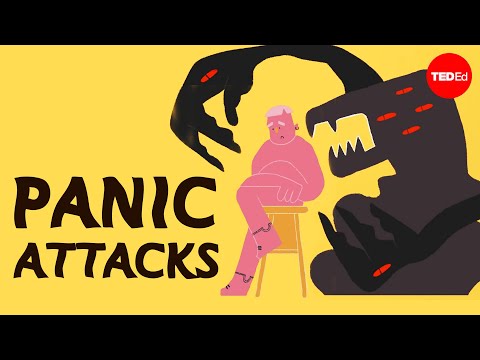
So, have you ever woken up in the middle of the night, heart racing, and feeling like the walls are closing in? Yeah, that’s a nightmare—literally. Nighttime panic attacks can hit you out of nowhere, and they totally mess with your head.
You’re not alone in this. A lot of folks go through it, but it’s rarely talked about. It’s like this hidden struggle that makes sleep feel more like a battleground than a cozy retreat.
Imagine feeling trapped in your own bed, unable to breathe right—scary stuff! Let’s unpack what these nighttime freakouts can do to your mind and how you’re not just losing sleep; you’re losing peace too.
Understanding Nighttime Panic Attacks: Causes and Coping Strategies
Nighttime panic attacks can be really unsettling. Imagine waking up suddenly, heart racing, breathing heavy, and feeling a wave of dread wash over you. It’s like your body has hit the panic button while you sleep. Many people experience this and it can be super confusing.
So, what causes these nighttime disruptions? Well, there are a few potential triggers. Stress during the day can carry over into the night. If you’ve had a rough day or are going through something tough—whether it’s work stress, relationship issues, or just feeling overwhelmed—those feelings might sneak into your dreams or wake you up in a panic.
Another factor could be sleep disorders like sleep apnea. When your breathing gets disrupted during the night, it could trigger that fight-or-flight response. And then there’s anxiety itself. If you’re dealing with general anxiety or specific phobias, those can rear their heads while you’re trying to catch some Zs.
Sometimes it might feel like it comes out of nowhere. But it’s often linked to our subconscious mind processing experiences and stressors we might not even realize are bothering us.
Coping strategies? Oh, there are plenty!
- Establish a calming bedtime routine: Think of it like winding down from a hectic day. Try reading something light, practicing meditation, or even doing some gentle stretches before hitting the hay.
- Create a relaxing sleep environment: Keep your room dark and cool. Maybe play some soft music or use white noise to drown out other disturbances.
- Practice deep breathing: This helps signal to your body that it’s time to relax. When you feel that familiar tension creeping in at night, take slow deep breaths—in through your nose for four counts and out through your mouth for six.
- Avoid stimulants: Seriously! That cup of coffee might be great in the morning but try to cut back as bedtime approaches. This includes things like caffeine and even nicotine.
- If needed: Consider talking to someone about it—a therapist could help process what’s going on in your mind.
Everyone’s experience is different though; what works for one person might not work for another!
It kind of reminds me of when my friend faced nighttime panic attacks after dealing with intense job stress. She felt trapped in her own mind during those moments but gradually learned coping techniques that helped her regain control over her nights.
Remember that if these episodes persist or affect your everyday life—reaching out for professional help is always a solid option! You’re not alone in this journey; so many people are navigating similar struggles with mental health and finding ways to cope effectively together.
Understanding the Psychology Behind Panic Attacks: What Happens to Your Mind and Body
Panic attacks can feel like you’re being hit with a sudden wave of anxiety that just won’t let up. You know that heart-pounding, breath-stealing feeling? That’s your body freaking out, and it’s not just in your head. Basically, a panic attack is like your brain throwing a fire alarm when there’s no fire.
When it comes to nighttime panic attacks, things can get even trickier. You’re already in a vulnerable state, trying to wind down after the day. Suddenly—bam!—you wake up with your heart racing and the feeling that something terrible is about to happen. So what actually happens in your mind and body during one of these episodes?
First off, let’s talk about the brain. During a panic attack, areas of your brain responsible for fear and stress kick into overdrive. The amygdala, which is like the alarm system for danger, goes haywire. It signals your body to release stress hormones like adrenaline. This can make you feel as if you’re facing a life-threatening situation—even if you’re snug in bed at 3 AM.
- Your heart races: It feels like it’s trying to escape your chest.
- You might feel dizzy: Your body isn’t getting enough oxygen because you’re breathing too fast.
- Sweating starts: Like you’ve just run a marathon—even though you haven’t moved an inch!
This combo of physical symptoms can feel super scary. When it happens at night, maybe you struggle to catch your breath or feel an overwhelming sense of doom. I know someone who described waking up from sleep just gasping for air; it was such a terrible experience that they were left afraid to sleep at all!
Now about the psychological effects: Panic attacks can mess with how you view yourself and the world around you. You might start avoiding situations where previous attacks happened or even develop agoraphobia—the fear of being in places where escape might be hard. Suddenly simple things like grocery shopping or going out for drinks with friends become major hurdles.
And here’s the kicker: repeated nighttime panic attacks can make falling asleep even tougher. This leads to sleep disturbances which only add more fuel to the anxious fire—you’re exhausted but scared of sleep because of what might happen!
Coping mechanisms are out there! Mindfulness techniques can be super helpful; they encourage staying grounded in the present instead of spiraling into fear. Deep breathing exercises help get control back over those rapid breaths during an attack too.
You’re not alone in this struggle—many people experience nighttime panic attacks, and understanding what happens physically and emotionally is the first step toward managing them better. So if this resonates with you or someone you care about, don’t hesitate to reach out for help! Talk therapy or other resources could be life-changing.
Understanding the Key Differences Between Panic Attacks and Night Terrors
When it comes to panic attacks and night terrors, they can feel pretty similar at first glance. Both involve intense feelings of fear, and both can leave you feeling drained. But, they’re actually quite different. Let’s break it down.
Panic Attacks: These usually happen when you’re awake. You might be doing something normal, like walking down the street or hanging out with friends, and suddenly, bam! Your heart races, you feel shaky, and you can’t catch your breath. It’s like your body is hitting the panic button for no reason. Sometimes it feels like you’re losing control or even having a heart attack.
Now imagine this: one night, you wake up feeling terrified—a sweaty mess—without knowing exactly what just happened. That’s where night terrors come in.
Nigt Terrors: These mostly happen during sleep—specifically during the deep stages of non-REM sleep. You might sit up in bed screaming or thrashing about, but here’s the kicker: you probably won’t remember a thing when you wake up in the morning! It’s terrifying for anyone witnessing it though.
So what really differentiates them? Well, the timing is key. Panic attacks hit when you’re wide awake; night terrors invade your sleep world.
From experience: I remember a friend telling me about his night terror phase. One night he woke up screaming so loudly that his partner thought he was being attacked! Turns out he had no idea why; he couldn’t recall anything except for this overwhelming sense of fear. That’s night terrors for ya!
Panic attacks can happen anytime—stressful situations are often big triggers—but those unwanted nighttime episodes mainly come from sleep disturbances or even stress buildup over time.
In short, while both panic attacks and night terrors involve intense fear and anxiety responses, they occur at totally different times and have radically different experiences attached to them. Knowing these differences can help if you’re dealing with either issue—because understanding is half the battle!
Nighttime panic attacks can really mess with your head. Picture this: you’re tucked in bed, ready to drift off, and suddenly, your heart starts racing like you just ran a marathon. You feel that familiar tightening in your chest. It’s like an unwelcome guest crashing a party.
These intense episodes often hit when we’re at our most vulnerable—when all the day’s distractions fade away, and it’s just us and our swirling thoughts. One friend of mine described it as being trapped in a dark room with no way out. It’s scary, right? Just when you think you’ve got everything figured out during the day, the night sneaks up on you with anxiety knocking at the door.
Psychologically, these nighttime attacks can leave some serious marks. If you’re waking up in a panic night after night, it can lead to dread around bedtime itself—like, who really wants to jump into bed knowing what might happen? It can spiral into something bigger; suddenly you’re not just dealing with panic attacks but also insomnia or avoidance behaviors because sleep feels unsafe.
And then there’s that pesky fear of losing control. You might find yourself scanning your environment for anything that could trigger another episode or clinging desperately to routines that feel “safe.” It’s wild how one experience can shift so much in life, isn’t it?
But here’s the thing: acknowledging that this is happening is huge. It means you’re on your way to taking back control over your nights instead of letting anxiety take charge. Talking to someone about what you’re feeling—whether it’s friends or a therapist—can shed light on those dark corners where panic likes to hide.
Navigating nighttime panic attacks isn’t easy; they may linger for a while. But remember, you’re not alone in this fight. With some strategies and support, those restless nights can evolve into better sleep experiences again!