You know that feeling when your heart’s racing, and you can hardly catch your breath? Yeah, it’s not fun. Panic can hit you like a freight train, outta nowhere.
But what if I told you there’s a way to calm that storm? Seriously! Panic breathing techniques can be your secret weapon. They’re super simple and, honestly, really effective.
I remember this one time when I was just sitting there, minding my own business, and BAM—panic set in. My head was spinning. That’s when I discovered these breathing tricks. It changed everything for me.
So if you wanna take control during those crazy moments, stick around! You might just find a new best friend in breathin’.
Top Breathing Techniques to Calm Panic Attacks: Find Relief and Reclaim Control
Panic attacks can feel like you’re trapped in a rollercoaster that won’t stop. Your heart races, your hands sweat, and suddenly, it’s hard to breathe. The good news? There are breathing techniques that can really help you find some relief and reclaim control during those overwhelming moments. Seriously, it’s all about getting your breath back on track.
1. Deep Breathing is probably the most common technique people turn to. The idea is simple: inhale deeply through your nose, hold it for a second, and then slowly exhale through your mouth. Try counting to four while you breathe in, hold for four, and then count to four again while breathing out. It’s like giving your body a hug from the inside.
2. Box Breathing is another gem. Imagine you’re drawing a box with your breath: inhale for four counts, hold for another four counts, exhale for four counts, and then pause for four counts before starting again. Doing this creates a rhythm that calms your mind down.
What’s cool about these techniques is they focus on breathing instead of letting anxiety take the wheel. So when you notice those feelings creeping in—maybe when you’re stuck in traffic or dealing with an awkward conversation—just take a moment for yourself.
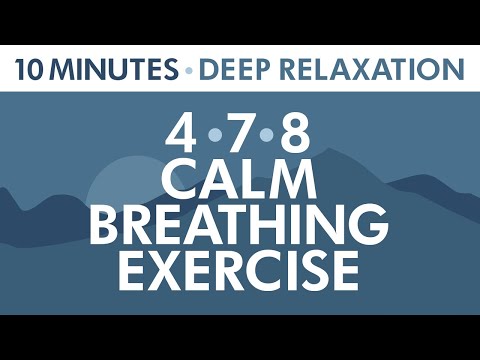
3. 4-7-8 Breathing takes things up a notch! Inhale through your nose for 4 seconds, hold it for 7 seconds (yeah, this part takes some practice), and then exhale slowly through your mouth for 8 seconds. It sounds tough at first but gives you an instant sense of calm once you get into it.
There’s also Diaphragmatic Breathing, which involves engaging your diaphragm rather than just using the chest to breathe deeply. You can lie down or sit comfortably; place one hand on your chest and the other on your belly. Breathe in deeply through the nose so that only the hand on your belly rises while the one on your chest stays still. It feels pretty magical once you get it going.
And let’s not skip Focused Breathing. This one encourages you to pick a word or phrase—like «peace» or «calm.» You repeat this word silently as you breathe in and out; it helps center your thoughts instead of letting them race around chaotically.
Lastly, try Pursued Lip Breathing. Inhale deeply through your nose as if you’re preparing to blow out candles but keep those lips pursed just enough to blow gently out instead of puffing like a balloon! This slows down how fast air passes over them which helps regulate breathing more effectively.
Once you’ve gotten these techniques down pat—practice makes perfect—you might want to incorporate them into daily life too! Like right before bed or anytime during stressful days; they’ll become second nature before long!
So yeah, panic attacks don’t have to steal all of your joy or control anymore; with these breathing exercises under your belt, you’ve got tools ready whenever those moments hit hard! Just remember: it takes time sometimes—it doesn’t happen overnight—but each step forward is worth celebrating!
How Breathing Exercises Can Benefit COPD Patients: Exploring the Connection to Mental Health
Breathing exercises can be a total game changer, especially for folks with Chronic Obstructive Pulmonary Disease (COPD). The thing about COPD is that it messes with your lungs, making it hard to breathe and often leaving people feeling anxious or stressed out. But hey, that’s where breathing techniques come into play!
Reducing Anxiety
When you’re struggling to breathe, your body naturally goes into panic mode. It’s like when you’re underwater and desperately need air. Your mind starts racing, and anxiety kicks in. Breathing exercises help calm that mental chaos. They give you something to focus on other than the struggle itself.
Improving Lung Function
Believe it or not, focusing on your breath can actually improve how well your lungs function over time. Techniques like pursed lip breathing slow down your breathing rate. This creates more space in your lungs, allowing fresh air to come in while pushing out stale air more efficiently. It’s a bit of a win-win situation!
Connecting Mind and Body
Think about that moment when you’re taking deep breaths; it’s kind of meditative, right? This connection between mind and body is crucial. By practicing these exercises regularly, you might notice reduced symptoms of anxiety and even depression—common companions for many COPD patients.
Coping with Flare-Ups
In those tough moments when things get really bad—like during a flare-up—deep breathing can be an anchor, helping ground you amid panic feelings. Instead of spiraling into worry about the situation, focusing on slowly inhaling and exhaling helps keep both your mind and body relaxed.
A Sense of Control
Living with COPD can feel overwhelming at times; there’s this constant fear of what can happen next. But learning some breathing techniques gives you tools for managing those feelings better. It’s empowering! You take charge of your breath—and by extension—your stress.
Incorporating breathing exercises into daily life doesn’t have to be complicated either! Just setting aside a few minutes here and there can lead to big changes over time.
So next time you’re feeling anxious about COPD or just having one of those days where everything seems heavy, remember:
,
,
It’s all about finding what works best for you!
Mastering the 4-7-8 Breathing Technique: A Powerful Tool for Managing Anxiety
Feeling anxious? You’re definitely not alone. Anxiety can be a tough mountain to climb, but there are some easy tools to help you chill out. One of them is the 4-7-8 breathing technique. Seriously, it’s pretty cool and easy to learn. It’s all about using your breath to calm your mind and body.
The idea behind this technique is simple: you focus on counting your breath in a specific way. Here’s how it works:
- Inhale deeply through your nose for 4 seconds. Fill those lungs up! This part is all about getting that oxygen flowing.
- Hold your breath for 7 seconds. Yup, this can be a challenge, especially if you’re feeling extra anxious. But it helps increase that relaxation response.
- Exhale through your mouth for 8 seconds, making a whoosh sound if you want. It’s like letting go of all that tension with every exhale.
- Repeat this cycle three or four times. You’ll notice that with each round, you may start feeling lighter.
So where does the magic come from? Well, when you breathe like this, it activates your parasympathetic nervous system. That fancy term basically means it helps switch off the fight-or-flight response that anxiety brings on. Instead of feeling like you’re ready to run from a bear (which might feel like life some days), you’re telling your body, “Hey, chill out; we’re safe.”
I remember the first time I tried this technique during a particularly stressful meeting at work. The pressure was on; my palms were sweaty, and my heart raced. I snuck away for a moment and tried the 4-7-8 breathing method in the restroom. By the second cycle, I felt more present and less tangled up in my thoughts. When I walked back into that room, I was ready to tackle whatever came my way!
The beauty of this technique is its versatility—you can use it anytime and anywhere! Stuck in traffic? No problem! About to head into an intense conversation? Breathe it out before stepping in! It fits right into daily life.
I get it: when anxiety kicks in hard, sometimes just remembering to breathe can feel overwhelming too. But practice makes perfect! With regular practice—like every day or when you feel those anxious butterflies—it’ll become second nature.
The 4-7-8 breathing technique isn’t just for relief from anxiety; it’s also said to help with insomnia and even cravings if you’re trying to cut down on something unhealthy—like reaching for snacks when stressed out.
If we break it down simply: count your breaths; own those moments of stillness, and before long, you’ll see how powerful—and calming—this little tool can be in managing anxiety!
You know those moments when life throws everything at you, and your heart starts racing like it just heard the ice cream truck? Yeah, that’s panic for you. It’s like your brain suddenly decides that the sky is falling, and getting a grip feels almost impossible. But guess what? There’s this thing called panic breathing or controlled breathing, and it can seriously help calm that storm inside your head.
I remember this one time when I was in a crowded place. The noise felt overwhelming, and my palms were sweaty like I’d just run a marathon. I didn’t know what to do. That’s when I remembered some breathing techniques my therapist had suggested. So, I took a moment, closed my eyes, and focused on just breathing in deeply through my nose for four counts, holding it for a second or two, then releasing it slowly through my mouth for about six counts. It felt super weird at first but man, by the third breath, I could feel my heart slowing down.
The whole idea behind panic breathing is pretty straightforward—it’s about taking control of your breath to help control your mind. When we panic, our breath becomes shallow and quickened. This is our body’s way of preparing us to face danger (thank you ancient ancestors). But in modern life? Not so much! By intentionally slowing down our breath—like really focusing on how it feels—we’re sending signals to our brain that everything’s okay.
Just think of it as resetting yourself during a mini-meltdown. Those deep breaths increase oxygen flow to the brain and help regulate your nervous system which helps you feel more centered instead of completely scattered.
There are also some cool side effects! Beyond just calming you down in the moment, practicing these techniques regularly can actually change how your brain reacts to stress over time. It’s kind of like training a puppy—you keep repeating good behaviors until they stick!
So if you’re ever feeling that familiar rush of anxiety creeping in, remember those breaths can be literally lifesaving; they pull you back from the edge and remind you to just be present. Plus it doesn’t hurt that they’re free! Seriously though—who wouldn’t want an instant chill pill right at their fingertips?