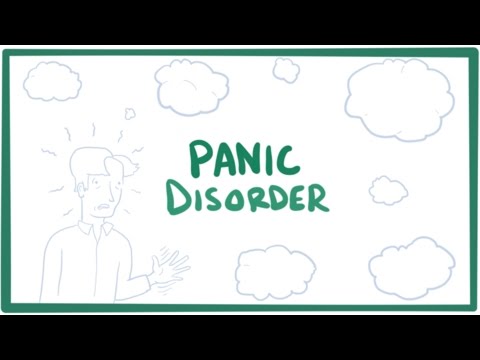
You know that feeling when your heart starts racing for no reason? Like, you’re just chilling, and suddenly it feels like you just ran a marathon? Yeah, that’s one way panic can hit you.
Panic disorder is tricky. It’s not just about fear; it can take over in the most random moments. You might feel like you’re losing control, and it’s really intense.
Maybe you’ve experienced it yourself or watched someone go through it. Just know, you’re not alone if this sounds familiar. It can be tough to talk about but recognizing those symptoms is a big deal.
So let’s chat about what to look out for. Because understanding this stuff is seriously important.
Recognizing Panic Disorder Symptoms: Key Signs to Watch For
Panic disorder can feel like a rollercoaster ride through the storm. You know, one second you’re just chilling, and the next, bam! You’re hit with an intense wave of fear that feels overwhelming. Recognizing those symptoms is crucial for understanding what you or someone close to you might be going through.
First off, let’s talk about the **physical symptoms**. When a panic attack hits, it can feel like your body is getting ready for a fight. You might experience:
- Racing heart or palpitations – feels like your heart’s trying to win a race.
- Shortness of breath – like you’re running up a hill and can’t catch your breath.
- Sweating – suddenly feeling like you’re in a sauna.
- Trembling or shaking – hands might feel like jelly.
- Chills or hot flashes – it’s like your personal weather system has gone haywire.
Then there are the **emotional symptoms** that come crashing in too. These can be even scarier because they mess with how you think. You may find yourself feeling:
- A sense of impending doom – as if something terrible is about to happen, no clue why.
- Derealization or depersonalization – feeling detached from reality or your own self, which is just plain weird.
- Anxiety about the next attack – worrying excessively whether it’ll happen again can lead to avoidance behaviors.
Now let me share something real quick. A friend once told me about their first panic attack while at a friend’s party. They were having fun one minute and then suddenly felt trapped, heart pounding and dizzy—felt all eyes were on them when they just wanted to blend in! That experience was terrifying, right? And sadly, that fear started creeping into their daily life; they avoided places where they felt it could happen again.
It’s also crucial to note that panic disorder often goes hand in hand with other conditions—like depression or other anxiety disorders. Sometimes it’s hard to separate them out.
Before diving deeper into treatment options (which we’ll save for another time), recognizing these signs sooner than later can make all the difference. If someone you know shows these symptoms regularly, it’s worth talking about it openly and gently suggesting seeking help.
Remember: You don’t have to ride this rollercoaster alone! Understanding those symptoms is your first step toward reclaiming peace and calmness in life again.
Understanding Panic Disorder: Key Diagnostic Criteria You Need to Know
Panic disorder can be a tough thing to deal with. Imagine just hanging out one day, and suddenly, your heart starts racing, you can’t breathe right, and you feel like you’re losing control. This kind of feeling can totally flip your world upside down. So, how do you even figure out if it’s panic disorder? Let’s break it down.
Key Diagnostic Criteria for Panic Disorder are mainly outlined in the DSM-5, which is the big manual therapists use to diagnose mental health issues. Here are some of the main points:
- Panic Attacks: The first sign is experiencing recurrent panic attacks. These aren’t just your average “oh no!” moments; they hit hard and fast. A panic attack peaks within minutes but can feel like an eternity when you’re in it.
- Persistent Worry: After having an attack, you might start worrying about having another one or what it means about your health or sanity. That dread can seriously mess with your day-to-day life.
- Avoidance Behavior: Because of that constant worry, many people start avoiding places or situations where they’ve had attacks before. For example, someone might steer clear of crowded places or even drive because they fear another attack will happen.
- Duration: To get diagnosed with this disorder, these symptoms need to persist for a month or more. It’s not just a one-off freakout; it’s a pattern that keeps coming back.
- No Other Medical Conditions: The attacks can’t be because of other medical stuff like heart conditions or substance abuse issues. Mental health pros usually do a pretty thorough check-up to rule those things out.
So here’s the deal: if you’ve ever felt that rush of fear coupled with physical symptoms like chest pain or feeling dizzy for no apparent reason, you’re not alone! But it’s super important to talk about these experiences with someone who gets it—not just keep them bottled up inside.
Here’s an emotional anecdote: Picture Jamie—she’s at the grocery store when all of a sudden her heart starts pounding so loud she thinks everyone can hear it. She feels shaky and believes she might faint right there among the cereal boxes. After that day, she avoids grocery shopping altogether because she doesn’t want to go through that again. Over time, her world shrinks as she limits places she goes due to fear—something so simple becomes complicated.
If this sounds familiar at all—or if you’ve experienced similar feelings—just know that there is help available and you’re not alone in this journey! Reaching out to a mental health professional is a solid step toward understanding what’s going on and finding ways to cope better.
The bottom line is knowing what panic disorder entails helps put some clarity around those frightening experiences. You deserve peace of mind and ways to handle those unexpected moments when they arise!
Understanding Panic Disorder: Symptoms, Causes, and Treatment Options
Panic disorder is one of those mental health conditions that can feel like a rollercoaster you didn’t sign up for. You know, the kind where you’re just trying to live your life, and then—boom!—a wave of anxiety hits you out of nowhere.
A panic attack can be really intense. Many people describe it as feeling like they’re having a heart attack or losing control. You might experience symptoms like:
- Racing heart: Your heart feels like it’s about to jump out of your chest.
- Sweating: You suddenly feel as if you’ve run a marathon.
- Trembling or shaking: Your body shakes, and it’s not from the cold.
- Shortness of breath: It can feel hard to catch your breath.
- Nausea: Your stomach is in knots and you might feel sick.
- Dizziness or light-headedness: Everything spins around for a moment.
- Feelings of unreality or detachment: Like you’re watching life happen but not really part of it.
- Fear of losing control or dying: It’s that overwhelming sense that something is seriously wrong.
So, what causes this? Well, lots of things could play a role. Genetics might be one factor—maybe someone in your family has struggled with anxiety. Life events also matter; stressful experiences can trigger symptoms in some people.
Another biggie is the brain’s chemistry. Some folks are more sensitive to anxiety due to how their brains handle neurotransmitters like serotonin and dopamine. Plus, your environment matters too: if you’re living in a high-stress situation, it could make you more prone to panic attacks.
When it comes to treatment options, there’s definitely hope! Therapy often works wonders for panic disorder. Cognitive-behavioral therapy (CBT) is popular since it helps change thought patterns that lead to panic attacks.
Medications can also play a part here, especially if someone needs quick help; things like SSRIs might be prescribed to help manage symptoms over time. But remember, every person is different! What works for one may not work for another.
This journey isn’t easy; it can take time. Some days will feel heavier than others, but with support from professionals and loved ones, many people find ways to manage their panic disorder effectively.
In short, understanding panic disorder means recognizing its symptoms and knowing that there are treatment options available out there—so don’t hesitate to reach out for help if you need it! You’re definitely not alone on this ride.
Panic disorder can feel like a rollercoaster ride you didn’t sign up for. One minute, you’re chillin’, and then bam! Heart racing, palms sweating—like your body’s gone rogue. It’s wild how quickly things can shift.
I remember a friend of mine, let’s call her Sarah. One night we were hanging out, just watching some movies and eating way too much popcorn. Suddenly, she jumped up, gasping for air and looking completely freaked out. I thought maybe she was just spooked by a jump scare or something. But no, it turned out she was having a panic attack. It was shocking to see her go from totally relaxed to overwhelmed in seconds.
So what does it even look like? Well, symptoms can vary but often include an intense wave of fear or anxiety that just hits you outta nowhere. You might feel dizzy, your heart feels like it’s about to leap out of your chest, and sometimes there are these weird sensations—like tingling fingers or feeling detached from reality. It’s not always easy to recognize that this isn’t just stress or fatigue; those feelings can be super intense.
For folks dealing with panic disorder—these attacks can happen unexpectedly. Maybe during a boring meeting at work or while picking up groceries. It’s a frustrating experience because it often leads to avoiding situations where panic might strike again. Like Sarah started skipping social gatherings because she was afraid it could happen again in public.
The thing is—recognizing these symptoms isn’t just about knowing what they are; it’s about understanding how they affect your life. Sometimes people think they’re going crazy or that something’s seriously wrong with their health when really it’s their body reacting to stress in overdrive.
If you’ve been feeling this way, know that you’re not alone and getting help is totally okay. Talking with someone who gets it—like a therapist—can make a huge difference. There are techniques and treatments that can help manage those panic moments, making life feel more stable again.
So yeah, recognizing the signs is vital for taking that first step towards regaining control over the chaos inside your head—or at least easing the ride a little bit!