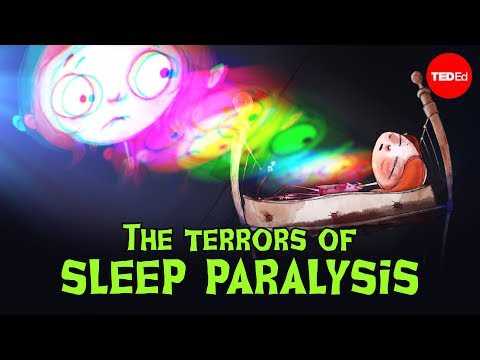
So, you ever wake up and feel like you can’t move? You’re totally awake, but your body just won’t cooperate. Creepy, right? That’s what nighttime paralysis is all about.
Picture this: you’re lying in bed, it’s dark, and suddenly you’re frozen. Your heart’s racing, but you can’t scream or even wiggle a toe. It’s like your own body turned against you!
What’s wild is that it can stick with you long after those moments. Seriously, it messes with your head in ways you might not expect. There’s a lot more to it than just feeling stuck for a few seconds or minutes.
Let’s chat about what makes this experience so unsettling and how it impacts us mentally. Because trust me, you’re not alone in this!
Understanding Night Paralysis: Causes, Symptoms, and Effective Coping Strategies
Night paralysis, or as some folks call it, sleep paralysis, can really throw you for a loop when it hits. Imagine waking up and being totally aware but not able to move or speak. It’s kind of like being trapped in your own body, and honestly? It’s pretty freaky.
So let’s get into what it actually is. When you’re in that stage between sleeping and waking—kind of like that weird space where your dreams are still swirling but you’re partially awake—that’s when night paralysis often strikes. You’re stuck there for a few moments to sometimes even a couple of minutes. I mean, how annoying is that?
The causes of this experience aren’t always crystal clear. But there are a few things that can bump up your chances of encountering it:
- Sleep Deprivation: Not getting enough sleep can really mess with your sleep cycle.
- Sleep Disorders: Conditions like narcolepsy make people more likely to have these episodes.
- Stress and Anxiety: High levels of stress or anxiety can play a big role.
- Sleeping Position: Some studies suggest lying on your back might increase the risk.
You might be wondering about the symptoms—aside from the obvious feeling like you’ve got cement weights on you! Common experiences folks report include:
- A sense of pressure: Like someone is sitting on your chest.
- Hallucinations: Sometimes people see shadows or hear things while they’re stuck.
- Panic or anxiety: Because, let’s face it, it’s pretty scary!
Now, coping with night paralysis can feel tricky at first. But there are definitely ways to make things easier:
- Improve Sleep Hygiene: Make sure you’re getting good quality sleep by sticking to a schedule and creating a calm bedtime routine.
- Manage Stress: Consider techniques like meditation or deep breathing exercises that help reduce anxiety before bed.
- Sleep on Your Side: Try changing positions; it could help prevent those episodes from happening.
I remember one time my friend was freaking out, saying she woke up unable to move and thought she saw something in her room! It really rattled her for days after. That’s why knowing more about this stuff helps lessen the fear around it.
Being informed about what’s going on can seriously take some weight off your shoulders (not literally though!). Understanding night paralysis isn’t just about knowing you’re not alone; it’s also about finding ways to make those scary moments more manageable. And hey, if the episodes keep happening and they’re affecting your daily life? It might be time to chat with a doctor or therapist who gets this kind of thing.
So yeah, night paralysis may be an unsettling experience for many people—but with some strategies in place, you don’t have to feel so helpless during those moments!
Exploring the Psychological Impact of Sleep Paralysis: Can It Lead to Trauma?
Sleep paralysis is one of those freaky experiences that can really mess with your head. You know, when you wake up and can’t move or speak? It’s like being trapped in your own body for a few seconds—sometimes even minutes. And let me tell you, it can be downright terrifying.
When you’re in that state, you might see or feel things that aren’t really there. Some people report a sense of pressure on their chest or even the feeling of an ominous presence in the room. Those sensations can trigger extreme fear and anxiety. So, the big question is: can this type of experience lead to trauma?
First off, sleep paralysis is actually more common than most think. It affects around 8% of the population, and while some folks experience it once in a blue moon, others deal with it regularly. When it happens often, that’s when things can get tricky. It’s like if your body keeps teasing you with this horrible experience—eventually, it takes a toll on your mental well-being.
Let’s break down some key points here:
So yeah, dealing with all this stress can lead to bigger issues down the line. It’s not uncommon for someone who frequently has sleep paralysis to develop symptoms related to post-traumatic stress disorder (PTSD). And I’m talking about real struggles here—like feeling hyper-alert or having flashbacks.
I remember talking to a friend who went through a phase where she was having these episodes weekly. She said every time she laid down at night, all she could think about was “Am I going to get stuck again?” That constant worry made her life pretty rough; work was hard because she was exhausted from sleepless nights filled with anxiety.
And though not everyone will experience these effects in the same way, it’s important for anyone facing frequent sleep paralysis episodes to talk about it with someone—a mental health professional could really help navigate those feelings.
In summary, yes—sleep paralysis can lead to trauma for some people based on how they respond emotionally and mentally after such experiences. It’s essential not just to seek out better sleep habits but also pay attention to how these episodes are impacting your mental health overall. Remember: you’re not alone in this!
Understanding Sleep Paralysis: Is It a Psychotic Episode or a Sleep Disorder?
Sleep paralysis can be a pretty wild experience, right? You’re asleep, then suddenly you’re awake but can’t move. It feels super real and often leaves you feeling scared or confused. So, what’s going on with sleep paralysis? Is it a sleep disorder or something more like a psychotic episode? Let’s break it down.
First off, **sleep paralysis** happens when your brain wakes up while your body is still in a sleep state. This means you’re aware of your surroundings but can’t move or speak. Total bummer, huh? It usually lasts for just a few seconds to a couple of minutes, but it can feel way longer when you’re in the moment.
Now, many people report seeing weird things during these episodes—like shadows or even feeling pressure on their chest. This is where it gets tricky. Some folks might think they’re having hallucinations or experiencing something supernatural. But the truth is much simpler; these experiences are often linked to the brain trying to transition between sleep stages while still being somewhat awake.
So here’s the deal: **sleep paralysis isn’t classified as a psychotic episode**; it’s primarily categorized as a parasomnia—a fancy word for an abnormal behavior during sleep. Psychotic episodes involve losing touch with reality, which isn’t what’s happening here. During sleep paralysis, you’re aware of what’s going on; you just can’t move.
What causes this funky phenomenon? Stress and lack of sleep are big culprits. If you’ve been pulling late nights or feeling anxious, you’re more likely to experience sleep paralysis. Also, sleeping on your back can trigger it for some people—so if that’s your jam and you’ve been stuck in this cycle of sleeplessness, maybe try switching positions?
Here are some key things about sleep paralysis that help clarify its nature:
Many people shy away from talking about their experiences with sleep paralysis because they fear others won’t understand or think they’re losing their minds—trust me, you’re not alone! There are plenty of stories out there from folks who felt isolated dealing with this spooky situation; hearing others describe similar experiences can really help ease that sense of alienation.
So if you encounter someone who’s been shaken by an episode—or if you’ve had one yourself—it helps to know this isn’t some psychotic break but rather something that happens during crazy times in our sleep cycle. And while it can be terrifying in the moment (I’ve had my fair share), understanding what it is makes those moments feel less daunting.
If this starts happening frequently and really messes with your life—like keeping you from getting good rest—consider chatting with a healthcare professional who specializes in sleep disorders. They could help sort things out and offer ways to tackle those pesky nights filled with fear and confusion.
Remember: knowledge is power! The more we understand about weird occurrences like sleep paralysis, the better equipped we are to deal with them when they happen!
You know, nighttime paralysis can be pretty unsettling. Imagine you’re in bed, maybe it’s dark and quiet, suddenly you wake up, but your body just won’t move. You’re fully aware, but can’t do anything about it. Just thinking about it gives me the chills! I remember my friend Sarah once told me about an experience she had. She woke up in the middle of the night, felt this weight on her chest, and saw a dark figure in the corner of her room. She was completely frozen. That feeling of helplessness? It’s intense.
So what exactly is going on when this happens? Basically, during sleep, our bodies go through different stages, including REM sleep when most dreaming happens. During REM, your brain sends signals to inhibit muscle activity so you don’t act out your dreams. But sometimes, you wake up before that paralysis wears off—boom! You’re stuck!
And it’s not just creepy; it can leave some serious psychological effects too. If you’ve had this happen once or twice, you might brush it off as just a weird experience—totally normal. But if it keeps happening? Well, that could lead to anxiety about going to sleep or even dread at bedtime. Imagine lying there wondering if tonight’s gonna be another battle between your mind and body!
People with nighttime paralysis often report feelings of fear or terror during these episodes which totally makes sense given how surreal it feels! Some folks even associate these experiences with hallucinations—seeing things that aren’t really there—which might heighten their anxiety and contribute to sleep disturbances over time.
Now throw in stress—it can also ramp up the chances of nighttime paralysis showing up at your door for an unwelcome visit! When you’re stressed or not getting enough sleep? Yeah, that’s like inviting this pesky intruder in for a late-night hangout.
So how do we handle all this? Well, creating a relaxing bedtime routine could help ease some anxiety around sleep itself. Maybe try some deep breathing or gentle stretches before bed? It’s not about eliminating those creepy moments entirely but reducing how often they show up—and coping better when they do.
All said and done, nighttime paralysis is more than just an odd occurrence; it’s like little ghost that haunts your nights if you’re unlucky enough to deal with it regularly. Understanding what’s happening can take some fear out of the equation—at least a bit! So if you or someone you know goes through this kind of thing frequently? Just remember there’s support and strategies out there to help make those sleepless nights a little less terrifying!