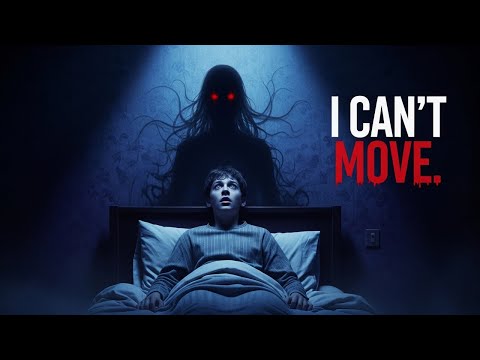
You know that thing when you’re super tired, ready to crash, but suddenly your body just won’t move? Yeah, that’s called sleep paralysis. It’s both eerie and frustrating. Like, you’re awake but you can’t do anything about it.
Imagine lying in bed, wide awake, and feeling this weight on your chest. It’s like your brain’s playing tricks on you. You might even see shadows or hear weird noises. Honestly, it can freak you out.
So what’s really going on there? There’s more to it than just a creepy experience. The psychological side of sleep paralysis is pretty wild. Let’s unravel this strange phenomenon together—trust me, you’ll want to stick around for this one!
Understanding Sleep Paralysis: Unraveling the Psychology Behind This Mysterious Experience
Sleep paralysis can be super creepy, can’t it? You know, when you wake up and feel like you can’t move at all? This bizarre experience happens right between waking and sleeping. It’s like your brain is awake, but your body just isn’t cooperating. Let’s dig a bit deeper into what’s going on with this phenomenon.
First off, sleep paralysis usually occurs during transitions in sleep. It happens when you’re waking up from REM sleep—a stage where your most vivid dreams occur. Your brain is active, but your body essentially enters a state of temporary paralysis to prevent you from acting out your dreams. Pretty wild, huh?
Psychologically speaking, several factors can play into why some people experience sleep paralysis more than others. Stress and anxiety are often at the top of the list. When you’re feeling overwhelmed, your sleep can take a hit too, making these freaky episodes more likely.
- Sleep deprivation: This one is huge! If you’re not getting enough shut-eye—life just gets messy.
- Irregular sleep schedule: Shifting time zones or staying up way too late can throw off your body’s internal clock.
- Sleeping on your back: Some studies suggest that this position might actually make it more likely to happen.
- History of mental health issues: Conditions like anxiety or depression can increase susceptibility.
Imagine you’re drifting off after a long day, only to wake up unable to scream or move as shadows creep around the room. It feels so real! That’s how many describe their episodes—like being trapped in a nightmare that you can’t escape from.
And here’s something else: a lot of people report seeing figures or feeling pressure on their chest during an episode. This might be linked to the brain still being half in dream mode—your mind tries to make sense of what’s happening while stuck between realities.
While it sounds scary, sleep paralysis isn’t dangerous. But if it becomes frequent or seriously affects how well you function during the day, chatting with a mental health professional could help clear things up. They might look at stress management techniques or even check if there are any underlying conditions that need attention.
So yeah, even though it feels intense and frightening when it happens to you, understanding what’s going on in your mind and body during those moments takes some of the fear away. And remember—even if you’ve had one too many sleepless nights filled with those eerie episodes—you’re definitely not alone!
Exploring the Connection Between Sleep Paralysis and Mental Health Disorders
Sleep paralysis is one of those super spooky things that can really catch you off guard. It’s that weird moment when you wake up but can’t move or speak. You know, like your brain is awake but your body still thinks it’s in dreamland. This experience usually lasts just a few seconds, but it can feel like forever. Now, the connection between sleep paralysis and mental health disorders? That’s where it gets interesting.
People who experience sleep paralysis often report feeling a weight on their chest or seeing shadowy figures in the room. Seriously, it’s no wonder many folks associate this with supernatural stuff! But scientifically speaking, sleep paralysis is linked to disruptions in the normal sleep cycle, particularly during the transition between REM sleep and wakefulness. So what’s this got to do with mental health disorders?
Stress and Anxiety play a big role here. Those who are living with high levels of stress or anxiety often find themselves more susceptible to sleep issues, including sleep paralysis. Imagine you’re stressed about work or personal issues — your mind races at night, making it harder for your body to relax fully when you try to fall asleep. When your body can’t sync with your mind properly during that crucial transition into a lighter sleep state, bam! Sleep paralysis can strike.
Another factor is depression. Studies have shown that people struggling with depression may experience sleep disturbances such as insomnia or hypersomnia (sleeping too much). These irregular patterns can increase the likelihood of experiencing episodes of sleep paralysis. It’s kinda like a vicious cycle: feeling depressed messes with your sleep, which in turn leads to more episodes of waking up paralyzed.
Sleep Disorders, like narcolepsy and insomnia, are also part of this puzzle. Narcolepsy typically comes with excessive daytime sleepiness and sudden nighttime muscle weakness—both of which are linked to higher rates of sleep paralysis episodes. If you’re regularly dealing with these kinds of issues, then suddenly waking up unable to move isn’t just scary; it’s likely to trigger anxiety about sleeping in general.
Let’s touch on trauma. Some folks who’ve experienced traumatic events find themselves haunted by those memories even while they’re trying to get some shut-eye. When flashbacks creep into dreams or influence how restful one feels before bed, it can spark those moments of paralysis upon waking because the brain isn’t quite ready to let go yet.
Lastly, lifestyle factors play a role too! Poor Sleep Hygiene, like irregular sleeping schedules or lots of screen time before bedtime, can set you up for disaster when it comes to healthy rest patterns. All this chaos makes those episodes more likely.
So if you’re living through stress or grappling with any mental health challenges—not saying everyone will experience this—be aware that all those factors might make you more prone to having these jolting experiences at night. And hey, if you’re finding this impacts your daily life? It might be worth chatting with someone about it — whether that’s a friend or a professional who knows their stuff about mental health and wellness.
Overcoming Sleep Paralysis: Effective Strategies to Break the Cycle and Regain Peaceful Sleep
Sleep paralysis can be a seriously freaky experience, right? Picture this: you’re lying in bed, drifting off into that perfect slumber, and then suddenly, you can’t move. It feels like someone’s holding you down. You might even see or hear things that aren’t there. Not fun at all! But hey, the good news is that there are ways to break this cycle and regain your peaceful sleep.
One of the key factors in sleep paralysis is stress. If you’re feeling overwhelmed or anxious during the day, it can creep into your sleep at night. Seriously! So tackling stress might help reduce those episodes. Think about what’s causing your anxiety—work, school, relationships—and try some simple relaxation techniques. Stuff like deep breathing or mindfulness can work wonders.
Another biggie is sleep habits. Not getting enough Z’s or having an irregular sleep schedule can set the stage for sleep paralysis. Aim for a consistent bedtime and wake time—even on weekends! This helps regulate your body’s internal clock. And while you’re at it, create a cozy bedtime routine to signal your body it’s time to wind down. Dim the lights, read a book without screens (they mess with your melatonin), or take a warm bath.
Now let’s talk about sleep position. Many folks experience sleep paralysis when sleeping on their backs. If that sounds familiar, try shifting to your side instead! It might feel awkward at first but changing positions can sometimes make a difference.
In addition to these strategies, consider keeping a sleep journal. Track when episodes happen and any patterns you notice related to stress levels or sleep schedules. This could be super helpful if you choose to talk with a professional about what’s going on.
And while we’re on the subject of professionals—talking to a therapist could really help too! They can work with you on managing anxiety and stress that might be triggering these episodes in the first place.
Just remember: overcoming sleep paralysis won’t happen overnight (pun intended). It takes time and patience to break those cycles and get back to peaceful nights of restful dreaming.
Finally, if things get really tough or frequent despite trying these strategies? Don’t hesitate to reach out for help from healthcare providers who specialize in sleep disorders because some cases may require more than lifestyle changes alone.
So yeah, think of it as building habits for better sleep over time—not an overnight fix! You got this!
You ever wake up in the middle of the night, feeling like you can’t move? It’s like your body is stuck, and your mind is racing. That’s sleep paralysis, and it can be pretty creepy. Imagine lying there, fully awake but unable to budge an inch. Maybe you feel this weight on your chest or even sense a presence in the room. Seriously unsettling, right?
A buddy of mine used to get these episodes all the time. He’d tell me about waking up and just staring at the ceiling, panicking because he could see shadows moving in his room. While it was super scary for him, we realized it was part of a bigger picture related to sleep patterns and stress.
So what actually causes this? Well, sleep paralysis happens when you wake up before your REM sleep cycle has completely finished. Usually, during REM—when our dreaming happens—your brain tells your body to essentially “turn off” its muscles so you don’t act out dreams. But sometimes that signal gets mixed up, and you wake up while still locked in that muscle-off state. Yeah, confusing stuff!
It’s not just a random phenomenon; there are psychological factors at play too. Stress and anxiety can really ramp things up. If you’re overwhelmed or even sleep-deprived, you’re more likely to experience sleep paralysis episodes. This creates this annoying cycle where anxiety about falling asleep leads to more trouble sleeping.
Even beyond fear itself, these experiences can affect how you feel about going to bed at all. You might start avoiding sleep or feeling anxious when bedtime rolls around. And let’s be real—who wants that kind of relationship with their pillow?
For my friend, we started talking about relaxation techniques before bed—simple stuff like deep breathing or listening to calming music helped him chill out a bit before hitting the sack. It didn’t totally wipe out his episodes but made them easier to handle when they happened.
At its core, dealing with sleep paralysis takes understanding what’s going on—not just physically but psychologically too. Recognizing those triggers like stress and fear can change how we approach our own nights…and our dreams (or nightmares).