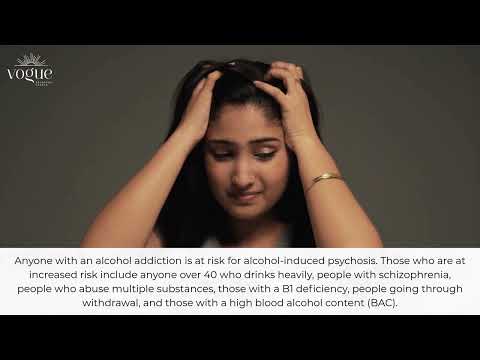
You ever have one of those nights where you had a few drinks… and then you found yourself feeling all weird and anxious? Like, suddenly everyone is talking about you, or the guy at the bar is definitely judging your dance moves? Well, that’s no accident.
Alcohol can mess with your head in ways you might not expect. It’s not just about hangovers and bad decisions. There’s this thing called alcohol-induced paranoia. It’s real, and it can hit harder than you’d think.
Imagine waking up after a night out, still buzzing from all the drinks but also feeling like the world is out to get you. Sounds rough, right? That uneasy feeling can stick around long after the last drink is gone.
So let’s chat about it. What happens in your brain when alcohol takes over? And why does it feel like every little glance feels like a hidden message? You’ve got questions; I’ve got answers!
Understanding the Symptoms of Alcoholic Psychosis: Key Signs to Recognize
Alcoholic psychosis is a serious mental health issue that can arise from heavy drinking. It’s like your brain getting all scrambled due to alcohol use. To help you recognize this condition better, let’s break down the symptoms and signs associated with alcoholic psychosis, particularly focusing on alcohol-induced paranoia.
First off, what exactly is alcoholic psychosis? This term refers to a range of psychological symptoms that result from chronic alcohol abuse. It can include delusions, hallucinations, and in some cases, severe paranoia.
Now, let’s look into those key signs you might notice:
- Paranoia: This is often expressed as an intense feeling of being watched or persecuted. You might think someone is out to get you or that people are discussing you behind your back.
- Delusions: These are false beliefs that don’t align with reality. For instance, you may believe you’re famous or that you have certain powers.
- Hallucinations: These usually involve seeing or hearing things that aren’t really there. Imagine thinking you hear voices calling your name when no one’s around.
- Disorientation: You could feel lost in unfamiliar places or even struggle to recognize familiar faces. It’s like suddenly stepping into a world where everything feels off.
- Aggression: Sometimes, this condition can make people more irritable or aggressive than usual, reacting to perceived threats in ways they normally wouldn’t.
Here’s a little story: imagine Tom had been drinking heavily for months. At first, it was just about having fun with friends, but then he started isolating himself and believing his pals were plotting against him. One night, he heard voices telling him he wasn’t safe at home—he became convinced there were cameras hidden everywhere watching him. That kind of spiral isn’t just scary; it’s deeply troubling for both the person experiencing it and their loved ones.
But what causes this whole thing? Well, when someone drinks a lot over time, it messes with their brain chemistry—like seriously throwing things out of whack. The body struggles to cope without alcohol and starts manifesting these wild psychological symptoms.
If someone shows these signs after heavy drinking—or if they seem to escalate after stopping—it’s crucial to seek help right away. Early intervention can prevent further complications and aid recovery.
In summary, understanding alcoholic psychosis is essential for recognizing its symptoms early on. Whether it’s paranoia creeping in or experiencing hallucinations, being aware helps not just the person going through it but also those around them who care about their well-being.
Understanding Alcohol-Induced Psychosis: Is It Permanent or Reversible?
So, let’s talk about alcohol-induced psychosis. Yeah, it sounds heavy, but it’s important to understand, especially if you or someone you know is going through it. Basically, alcohol-induced psychosis happens when someone drinks a lot over time and ends up experiencing hallucinations or delusions. It’s like your brain gets all scrambled from the booze.
Now, here’s the kicker: is this kind of thing permanent or can it be reversed? Well, the answer isn’t super cut-and-dry. Let me break it down for you.
What is Alcohol-Induced Psychosis?
This condition often pops up during withdrawal or after a binge drinking session. You might see things that aren’t there or hear voices—scary stuff! It’s not just feeling paranoid after a night of heavy drinking; it goes way deeper. Imagine your mind playing tricks on you at such an intense level that you can’t tell what’s real anymore.
Is It Permanent?
The good news? In many cases, alcohol-induced psychosis is reversible. Most people will start feeling better once they stop drinking and get support. But hang on—this doesn’t mean everyone will bounce back completely.
You see, if someone has been drinking heavily for years, they might have caused some long-term damage to their brain. Chronic alcohol use can lead to lasting changes in how your mind works. So while some folks return to normal function after treatment and recovery, others may face ongoing issues.
Factors that Influence Recovery
1. Duration of Alcohol Use: The longer someone has been drinking heavily, the more complex their recovery might be.
2. Underlying Mental Health Conditions: If there were mental health issues before the alcohol use kicked in—like anxiety or depression—it could complicate things.
3. Age: Younger brains can often recover more fully than older ones.
4. Support Systems: Having strong support from friends and family makes a huge difference in recovery.
There was this friend of mine—let’s call him Jake—who struggled with heavy binge drinking for several years. After one particularly wild night out where he experienced intense paranoia and hearing voices, he decided enough was enough and ended up at rehab. With some therapy and time away from alcohol, he started to feel more like himself again within months—but man, there were days he really struggled with anxiety afterwards!
Treatment for Alcohol-Induced Psychosis
So what can be done about this? First off: detoxification is crucial—or in simpler terms: stopping drinking altogether! Medical supervision during withdrawal can help manage symptoms effectively.
Therapy often helps too! Cognitive behavioral therapy (CBT) can assist people in rebuilding their thinking patterns and coping strategies as they heal from both substance use and mental health issues.
Also worth mentioning: medications may play a role as well. Sometimes doctors prescribe antipsychotics during acute episodes to help calm things down until the person stabilizes.
In summary, while many people do recover from alcohol-induced psychosis when they make lifestyle changes and get professional help, there are those who may deal with longer-lasting effects depending on a few factors mentioned earlier—so it’s essential to approach this issue seriously but with hope for recovery!
Understanding the Symptoms of AIPD: Key Signs to Recognize and Address
Alcohol-Induced Paranoia (AIPD) is a sneaky little beast that can really mess with your head. It’s like your brain gets all foggy, and suddenly, you can’t tell what’s real or not. The thing is, it’s more common than you might think. When you drink alcohol, especially in hefty amounts or over a long time, it can lead to feelings of paranoia—where you feel suspicious or anxious for no solid reason.
Let’s break this down a bit, so you know what to watch out for. Here are some key signs:
So picture this: imagine you’re at a party with friends. You down a few drinks and then suddenly feel everyone is whispering about something—not necessarily good stuff about you either! This experience can be overwhelming and isolating because it makes you pull back from others.
Another important thing to remember is how alcohol messes with your brain chemistry. Alcohol increases dopamine—a neurotransmitter that makes us feel good—but it can also disrupt other chemicals related to mood regulation and perception. That imbalance contributes to feelings of paranoia as the night goes on.
Now let’s talk about some longer-term effects. Regularly experiencing AIPD symptoms doesn’t just go away after the hangover lifts; they might linger and create issues in your daily life.
You know how when someone close to us is affected by something heavy, we want to help them? It’s the same with AIPD—it helps if we understand what they’re going through better!
So if this resonates with someone in your life—or maybe yourself—it’s crucial to get help earlier rather than later. Therapy or talking things out with someone who understands mental health aspects of alcohol use can be super beneficial!
Look, recognizing these signs is just the first step; addressing them takes courage and support from others—you don’t have to do this alone!
You know, alcohol can really mess with your head. Like, sure, a drink or two might help you chill out after a long day, but there’s this whole other side to it that people don’t always talk about—like alcohol-induced paranoia. Picture yourself at a party, having a good time with friends. But then, after a few too many glasses of wine, your brain starts playing tricks on you. You might feel like everyone is whispering behind your back or that you’re the butt of some secret joke. It’s unsettling, right?
I remember one night when a buddy of mine drank way more than usual at a gathering. At first, he was the life of the party—funny and loud. But as he downed those last couple of shots, something shifted. He could no longer trust anything around him; he thought everyone was judging him harshly for his behavior or planning to ditch him. It was heartbreaking to see someone flip from being social and carefree to spiraling into this paranoid state.
The thing is that alcohol doesn’t just affect your mood on the surface; it reaches deep into how you process emotions and thoughts too. It messes with your neurotransmitters—the chemicals in your brain responsible for mood regulation and perception—and can create this intense cycle where anxiety turns into fear and vice versa.
For people who have underlying mental health issues like anxiety disorders or depression, alcohol-induced paranoia can be even worse. One drink might feel like an escape initially, but then it can spiral quickly into feelings of hopelessness or dread as the night progresses.
And here’s the kicker: after sobering up, some folks may still feel residual effects—like that lingering unease or self-doubt about what went down during their drinking escapades. It leaves you wondering if any of those paranoid thoughts were based in reality or just the drink talking.
So when you think about it, while alcohol might seem like this great way to let loose and socialize, it has its hidden costs—especially when paranoia rises up uninvited at the party in your mind. Alcohol can distort reality in ways you don’t see coming until it’s too late. Trust me; it’s like a rollercoaster ride that leaves you dizzy and questioning what’s real afterward—not exactly the vibe most people want after a night out!