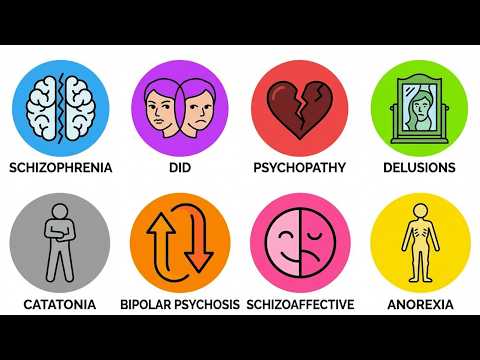
So, you ever feel like everyone’s watching you? Like that random guy at the coffee shop is totally judging you?
Yeah, it’s a weird feeling. Paranoia can really mess with your head. It’s like living in a world where shadows seem to have minds of their own.
You’re not alone in this. A lot of people experience those nagging thoughts that just won’t quit.
But what’s going on there? Why do we sometimes feel so on edge? Let’s dig into this and see what the deal is with paranoia in our lives and minds. Sound good?
Understanding Paranoia: Its Impact on Mental Health and Well-Being
Paranoia is one of those tricky concepts in psychology that can mess with your mental health and overall well-being. It’s more than just feeling suspicious or worried. Paranoia is often defined as a persistent feeling that people are out to get you or that something bad is lurking around every corner, even if there’s no real proof. It can really affect how you see the world and interact with those around you.
When someone experiences paranoia, it’s like they’re wearing a pair of thick glasses that distort reality. They might think their friends are talking behind their back or that strangers on the street are plotting something against them. This can lead to major trust issues. You ever had a moment where you felt someone was judging you for no reason? That’s a tiny taste of what paranoia feels like, but it can be way more intense.
Impacts on Daily Life
Living with paranoia is no walk in the park. It can lead to social isolation because people might pull away from friends and family out of fear or mistrust. Imagine feeling all alone, thinking everyone’s against you when they’re really just trying to help! Seriously, those thoughts can spiral into feelings of anxiety and depression, making it hard to enjoy life.
Emotional Toll
The emotional impact can be heavy too. Constant worry wears down your mental energy. People might feel irritable or moody because they’re on edge all the time. It’s like being stuck in a loop where every little thing adds fuel to the fire of fear.
Types of Paranoia
Not all paranoia looks the same; there are different flavors to it:
- Mild Paranoia: You might have occasional doubts about people’s intentions.
- Delusional Paranoia: This is more serious, where someone truly believes things that aren’t based in reality.
- Paranoid Personality Disorder: In this case, suspicion and distrust become a part of everyday life.
These different levels show how paranoia can range from being an annoying thought to something that takes over your life.
Treatment Options
So, what do you do if you or someone you know is dealing with paranoia? Well, therapy usually helps—especially approaches like cognitive-behavioral therapy (CBT). CBT helps folks challenge those negative thoughts and replace them with more balanced perspectives. Medication may also come into play sometimes—antidepressants or antipsychotics could stabilize mood and reduce symptoms.
Also, having a strong support system is key! Friends and family who understand what you’re going through can help ground you when those paranoid thoughts start swirling.
Anecdote Time
I remember chatting with a friend who struggled with mild paranoia after experiencing some pretty tough times in life. She’d always think her coworkers were laughing at her during meetings—like she was some sort of joke! After admitting it and getting some support from her therapist, she realized most were actually respectful and friendly towards her. It took time, but she learned to focus on reality instead of her fears.
Paranoia isn’t just an odd thought; it’s serious stuff that needs acknowledgment and care. If these feelings resonate with anyone reading this—from worries about relationships to feeling unsafe—you’re not alone! Seeking help makes all the difference in reclaiming control over your mind and life again.
Understanding the Four Types of Paranoia: Insights into Mental Health
So, let’s talk about paranoia. It’s a word we often hear thrown around, but it can mean different things depending on the context. In psychology, there are actually four main types of paranoia, and understanding them can help you get a clearer picture of what someone might be experiencing.
Paranoid Personality Disorder is one type that stands out. People with this disorder are generally distrustful and suspicious of others. They might think everyone is out to get them, even if there’s no evidence to support that belief. Imagine a friend who always thinks their colleagues are plotting against them at work; that’s kind of what it’s like.
Then there’s Delusional Disorder, Paranoid Type. This is a bit more serious and involves strong delusions. As in, someone might firmly believe they’re being persecuted or spied on without any real basis for it. Say someone thinks their neighbors are recording their conversations—this isn’t just the usual level of worry; it’s a fixed belief that doesn’t shift easily even when presented with facts.
Next up is Schizophrenia. Paranoia here often appears as part of larger symptoms like hallucinations or disorganized thinking. A person could hear voices that tell them people want to harm them. Imagine feeling so convinced that those voices are real; it can be terrifying.
Lastly, there’s Situational Paranoia. This one pops up in specific contexts—like if you’re in a stressful situation where trust is low. Think about being in a high-stakes job where everyone seems competitive; feelings of paranoia can rise as people start to feel threatened by one another.
Recognizing the nuances among these types can really shape how we approach the issue of mental health care for those experiencing paranoia. You know? It helps friends and family understand their loved ones better rather than jumping to conclusions or dismissing their feelings altogether.
The thing is, dealing with paranoia isn’t just about seeing things differently—it’s about feeling profoundly isolated and misunderstood sometimes. Everyone needs support when they’re going through something tough like this, so being there for someone who experiences these feelings can make all the difference in the world, you follow me?
Effective Strategies for Managing Intense Paranoia: A Comprehensive Guide
Managing intense paranoia can be challenging, but there are strategies that can really help. It’s like finding a light switch in a dark room. Sometimes, just knowing where to look makes all the difference.
Understanding Your Paranoia is a good first step. You know, paranoia feels like you’re wearing glasses that make everything seem threatening or suspicious. It’s not always easy to differentiate between what’s real and what’s not. Still, figuring out your triggers—those things that ramp up your feelings of paranoia—can help you address them head-on.
Grounding Techniques are super useful too. When those paranoid thoughts hit hard, try using your senses to bring yourself back to the present moment. Focus on what you see, hear, and feel around you. For example, touch a textured surface or listen to calming sounds. It might sound simple, but it works wonders by pulling you out of your headspace.
Another strategy is Journaling. Writing down your thoughts can be incredibly cathartic. You might notice patterns or themes in your paranoia when you’re doing this regularly. Plus, getting your feelings out can also lessen their intensity over time.
Connecting with Support is crucial as well. Talk to trusted friends or family members about how you’re feeling. Sharing these thoughts makes them feel less isolating and more manageable. It’s awesome how a little emotional support can lighten the load.
However, if these feelings become overwhelming, consider seeking professional help. Therapists trained in cognitive-behavioral therapy (CBT) often focus on challenging those paranoid thoughts directly—like learning to question the validity of those fearful thoughts instead of accepting them at face value.
Mindfulness Practice can also help quiet that inner voice screaming worry at every corner. This involves training yourself to observe thoughts without judgment and focusing on being in the moment instead of worrying about what others think or say.
Lastly, Healthy Lifestyle Choices, like regular exercise and balanced nutrition, play an essential part too. When our bodies are well taken care of, our mental health tends to improve as well!
In summary: managing intense paranoia is about understanding yourself better and arming yourself with effective coping techniques so they don’t control your life completely! By practicing grounding techniques, journaling about feelings, reaching out for support, exploring mindfulness exercises ,and possibly working with a therapist—you’re on the right track!
Paranoia can feel like a chaotic storm in your mind. It’s that nagging sense that someone’s watching you or plotting against you. I remember a friend of mine who used to hide under his covers, convinced that people were out to get him. He wasn’t just being dramatic; that feeling consumed him day in and day out. It really changes how you live, you know? Like, when paranoia strikes, everything feels heavy and suspicious.
In psychology, paranoia is often tied to anxiety and can show up in conditions like paranoid personality disorder or schizophrenia. It’s not just about being a little cautious or wary; it takes on a life of its own and distorts reality. Think about how frustrating it must be to feel trapped by your thoughts, questioning every interaction and motive around you—exhausting, right?
Sometimes, the roots of paranoia dig deep into past experiences or trauma. My friend had faced some tough times, which I think fueled those feelings he struggled with. The brain’s all about patterns; so when it’s had bad experiences, it might overreact to make sure you’re safe next time— at least that’s one way to look at it.
Now when we talk about dealing with paranoia in therapy, it can be a tricky road. Cognitive-behavioral therapy (CBT) often helps people challenge their negative thoughts and reshape how they see situations. But this isn’t a one-size-fits-all thing; everyone has their unique journey through mental health challenges.
So anyway, if you ever find yourself second-guessing everything around you—try to remember that it’s okay to ask for help. It doesn’t have to be something you deal with alone; there are ways out of the storm! And there’s no shame in reaching out for support because we all deserve some clarity amidst the chaos.