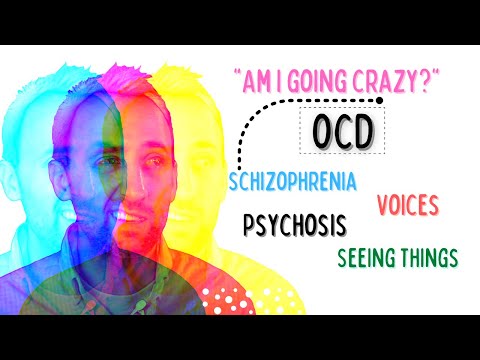
You know those days when your brain just won’t shut up? Like, you’re convinced someone’s watching you or plotting against you? It can feel super overwhelming. This feeling can pop up in a few different ways, and that’s where things get kind of tricky.
On one hand, there’s paranoia that can creep in with OCD. Then you’ve got schizophrenia, which can come with some wild delusions and hallucinations. But they’re not the same thing, not by a long shot.
So how do you tell them apart? Well, it’s more than just some random symptoms. It’s about what’s going on inside your head and how it affects your life. Let’s break it down together.
Understanding the Differences: How to Distinguish Between OCD and Schizophrenia
Understanding the differences between OCD and schizophrenia can be confusing. Both conditions affect thoughts and behaviors, but they’re pretty different when you break them down. Let’s dive into it.
OCD, or Obsessive-Compulsive Disorder, usually involves obsessions and compulsions. Obsessions are unwanted thoughts that just won’t leave you alone. You know, like constantly worrying that you might’ve left the stove on or that something terrible will happen if you don’t count to ten. Then there are compulsions—those are rituals or behaviors you feel driven to do to ease the anxiety from those obsessions.
Schizophrenia, on the other hand, is more about distorted thinking and perceptions of reality. People with schizophrenia might experience hallucinations, where they see or hear things that aren’t there. Or they could have delusions, which are strong beliefs in things that are clearly false—like thinking they’re being followed by someone famous. It’s a whole different ballgame.
Now let’s zoom in on paranoia since it can be a tricky point between OCD and schizophrenia. In OCD, paranoia can manifest as an irrational fear of something happening due to not performing a certain ritual—like believing that if you don’t wash your hands exactly five times, something bad will happen to a loved one. You see how that logic is tied to anxiety?
In contrast, in schizophrenia, paranoia can come across as feeling persecuted or threatened by outside forces without any real basis for those feelings. For instance, someone might think that people on the street are talking about them or plotting against them without any actual evidence.
Here’s another thing: someone with OCD often knows deep down that their fears are exaggerated—there’s an awareness of their condition. But with schizophrenia, especially during active phases of the illness, folks may truly believe in their altered perception of reality and not recognize it as a problem.
You might also notice some overlap in symptoms like anxiety or social withdrawal but remember how those show up is different in these conditions. In OCD, the person might pull away because they feel embarrassed about their compulsions; whereas for someone with schizophrenia, social withdrawal can stem from feeling paranoid or confused about what’s real.
So basically:
- OCD: Focuses on obsessions (persistent fears) and compulsions (rituals).
- Schizophrenia: Involves distorted perceptions of reality such as hallucinations and delusions.
- Paranoia: In OCD it’s tied to ritualistic fears; in schizophrenia it includes irrational fears of being harmed by others.
- Acknowledgment: Individuals with OCD may realize their thoughts aren’t rational; those with schizophrenia often do not.
To wrap this up: understanding these distinctions is key for proper treatment and support for anyone dealing with these challenges—or if you’re just trying to help someone else who is. Mental health is complex—it’s all about finding the right approach for each unique situation!
Understanding the Differences: Schizophrenia Paranoia vs. OCD Paranoia
Understanding paranoia can be tricky. When we talk about paranoia in schizophrenia versus paranoia in OCD, we’re diving into two very different experiences. Each comes with its own set of symptoms, feelings, and reasons behind them. Let’s break it down.
First off, people with schizophrenia often experience paranoia as part of their overall condition. It’s not just a random worry; it can feel all-consuming. Imagine feeling like someone is always watching you or plotting against you. That intense belief—despite no evidence to support it—can lead to serious anxiety and distress. Individuals might hear voices that reinforce those feelings of being targeted or unsafe.
On the flip side, OCD (Obsessive-Compulsive Disorder) involves compulsions and obsessions that can lead to paranoid thoughts too, but they stem from different places. With OCD, the paranoia is often about specific fears related to harm or danger, usually connected with their compulsions. For example, someone might obsessively worry they’ll harm someone else accidentally and then feel compelled to check things repeatedly to ensure safety.
- Schizophrenia: Paranoia is more generalized, often tied into a larger narrative of delusions.
- OCD: Paranoia tends to fixate on specific fears that are tied up with rituals or compulsions.
Let’s say you have a friend who struggles with schizophrenia. They might believe that their phone has been hacked and someone is monitoring their conversations 24/7. It feels real to them; it creates real fear and alters how they behave daily.
Now picture another friend who deals with OCD. They could be convinced that if they don’t wash their hands a certain number of times, something terrible will happen—like hurting a loved one unintentionally. Their paranoia revolves around preventing an event that doesn’t have any basis in reality; it’s about managing an overwhelming fear tied with compulsive behaviors.
The core difference? It really comes down to the nature of those paranoid thoughts and what fuels them. Schizophrenia-related paranoia can come from delusional beliefs where there’s no connection to reality at all, while OCD-related paranoia feeds off anxiety-driven thoughts linked specifically to those rituals or compulsions.
And here’s something important: both situations require empathy and understanding. Living in a state where trust in reality wavers isn’t easy for anyone involved—both for the person experiencing these feelings and for their loved ones trying to offer support.
So yeah, recognizing these differences can help us provide better support for those navigating these challenging mental health landscapes!
Understanding OCD Paranoia: Signs, Symptoms, and Coping Strategies
OCD, or Obsessive-Compulsive Disorder, can be really tricky, especially when paranoia creeps in. You might think of paranoia as being super suspicious of everyone around you, but in the context of OCD, it takes on a different shape. So how do you tell the difference between OCD-related paranoia and something like schizophrenia? Let’s break it down.
Signs of OCD Paranoia often show up as intrusive thoughts that just won’t let up. You might find yourself constantly worried about something terrible happening. Like, what if I left the stove on and my house burns down? It’s like your mind is stuck on a loop.
Then there are the compulsions—those little rituals you do to try and feel better. If you think something bad might happen unless you check your locks five times, that’s a classic example. You’re not just being careful; you’re caught in a cycle that makes your fears feel more real.
Now, symptoms can vary widely from person to person. Here are some common signs:
- Intrusive thoughts: These can be about harming yourself or others.
- Anxiety: You feel uneasy when you’re unable to complete certain rituals.
- Avoidance behaviors: You might dodge places or situations that trigger these obsessive worries.
Okay, so let’s put this into perspective with an example. Imagine you’re out shopping and can’t shake off thoughts about someone breaking into your house while you’re gone. This feeling leads you to make excuses to keep checking your phone for messages or even rush home before finishing errands—classic OCD paranoia at work.
Now, what’s important here is how OCD paranoia compares to schizophrenia. With schizophrenia, people often experience delusions—like genuinely believing they’re being followed by secret agents or have special powers. In contrast, someone with OCD is usually aware that their fears are exaggerated but feels helpless against them.
Coping strategies are key here! First off, awareness is huge. Just knowing what’s happening in your head can help lessen the power these thoughts hold over you.
Here are some ways to cope:
- Therapy: Cognitive Behavioral Therapy (CBT) is super effective for OCD.
- Meditation: Mindfulness exercises can help ground those racing thoughts.
- Support groups: Connecting with others who get it can ease the isolation.
Lastly, don’t shy away from medication if it’s recommended by a professional. SSRIs or other medications sometimes help balance things out.
Navigating through OCD paranoia isn’t easy—seriously! But knowing the signs and having healthy coping mechanisms can make a world of difference in managing those pesky intrusive thoughts and compulsions.
Okay, so here’s the deal. Distinguishing between Paranoia OCD and schizophrenia can be a bit of a maze, and it’s totally understandable if it feels overwhelming. I mean, both conditions mess with your head in different ways, but they can sometimes seem pretty similar on the surface, you know?
Let’s break it down. Paranoia OCD is all about those relentless thoughts that just won’t quit. You might find yourself constantly worrying about things that don’t seem likely to happen but still gnaw at you like a little monster in the back of your mind. It’s like being stuck on a loop of anxiety where you feel compelled to keep doing certain things to ease that fear, even if you know deep down it doesn’t make sense.
Now schizophrenia? That’s more like a serious distortion of reality—seeing or hearing things that aren’t there or having these very real but not genuine beliefs about what’s going on around you. It’s like being in your own world where things can get really confusing and disorienting.
I remember a friend who went through something kinda similar to this struggle between paranoia OCD and some symptoms that sounded like schizophrenia. She’d get these thoughts that someone was watching her, which made her super anxious. To cope, she started double-checking locks and avoiding places she felt were “unsafe.” But then she also had moments when she would hear voices telling her things nobody else could hear—totally freaky stuff! Seeing her go through both extremes was heartbreaking because I could tell how lost she felt trying to navigate those experiences.
So here’s where it gets tricky: while paranoia OCD may come with obsessive doubts and compulsive behaviors aimed at controlling those fears, schizophrenia generally dives deeper into altered perceptions and more profound detachment from reality.
It feels crucial for anyone dealing with any of this to remember that getting help is not only okay but super important. Therapists can help sort through these heavy feelings and provide coping strategies or tools tailored just for you—because everyone deserves support when navigating such tough waters.
In all honesty, understanding the nuances between paranoia OCD and schizophrenia is key for finding the right treatment path too. It might sound complicated now, but once you break it down into bite-sized pieces, it starts making sense bit by bit!