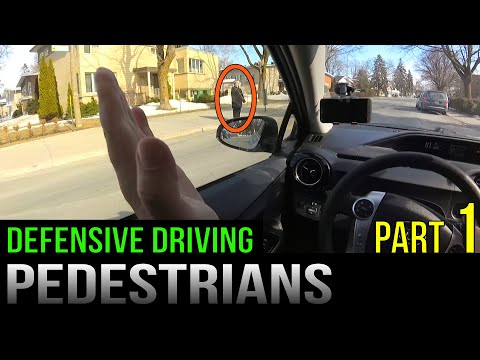
So, picture this: you’re driving through the city, and it’s hectic. Cars are darting everywhere, people are crossing streets like they own the place. Your heart races a bit, right? You’re not alone!
A lot of folks get this knot in their stomach when they think about hitting someone. It’s freaky. Seriously, just imagining it sends chills down your spine.
But here’s the deal: that fear isn’t totally a bad thing. It shows you care about safety and others. Still, it can be super overwhelming at times. Let’s take a step back and figure out how to deal with this fear without losing your mind every time you get behind the wheel. Sound good?
Understanding Amaxophobia: Causes, Symptoms, and Coping Strategies
So, let’s talk about amaxophobia. This is a pretty intense fear that many people experience, especially when it comes to driving. Essentially, it’s the fear of being in a car or driving. For some folks, this can be closely linked to the fear of hitting pedestrians while navigating busy streets.
Now, why does this happen? Well, there are a few possible causes. Sometimes it’s rooted in past experiences. Maybe you had a close call where you almost hit someone, or perhaps you witnessed an accident. That kind of thing can stick with you. In other cases, it could be related to anxiety disorders or even traumatic events that just make it hard to feel safe behind the wheel.
When we talk about symptoms, it’s all about how your body reacts when you’re faced with this fear. You might notice things like:
- Pounding heart: Your heart races as soon as you think about driving.
- Shortness of breath: It suddenly feels hard to catch your breath.
- Nausea: You might feel sick at the thought of getting into a vehicle.
- Panic attacks: Intense waves of panic may wash over you while you’re driving or even just thinking about it.
Amaxophobia can create a pretty tight grip on your life; when fear kicks in, it can limit your freedom and throw off your day-to-day activities. I’ve talked to people who’d rather take long detours than face busy intersections. It’s tough because urban environments are bustling with pedestrians—so that fear can seriously affect how you navigate through life.
If you’re dealing with this kind of phobia, don’t worry—there are ways to cope! Here are some strategies that can help:
- Gradual exposure: Start by sitting in a parked car and slowly work up to short drives in low-traffic areas before tackling busier streets.
- Therapy: Speaking with someone who gets it, like a therapist trained in cognitive-behavioral therapy (CBT), can really change the game for managing fears.
- Meditation and mindfulness: Practicing these techniques may help reduce anxiety and bring a sense of calm before driving.
The thing is, acknowledging the fear is the first step towards overcoming it. If you’ve got friends or family who understand what you’re going through, lean on them for support! Having someone else in the car with you at first could help ease those nerves.
Amaxophobia can be daunting for sure. But remember: facing those fears bit by bit is totally possible! You’ve got strength inside you; sometimes it just takes time to find it again under layers of worry and anxiety. So take a deep breath; you’ve got this!
Understanding Vehophobia: Key Symptoms and Insights into Fear of Driving
Vehophobia, or the intense fear of driving, can really mess with your day-to-day life. It’s not just about feeling a little nervous; for some folks, it can feel like you’re staring down a monster every time you think about getting behind the wheel. This fear can be triggered by various factors, including accidents or even witnessing a bad crash. If you’ve ever caught yourself holding your breath while waiting at a stoplight, you’re definitely not alone.
So what does this fear look like? Here’s a closer look at some common symptoms of vehophobia:
- Anxiety: You might feel this creeping dread just thinking about driving. It could turn into sweating or racing heartbeats when you’re actually in the car.
- Panic Attacks: Some people get hit with panic attacks while behind the wheel. That could mean feeling dizzy, chest pains, or even thinking you’re losing control.
- Avoidance: You might find yourself dodging any chance to drive—like refusing to take that road trip with friends or making someone else drive instead.
- Irrational Thoughts: You might have thoughts like “What if I hit a pedestrian?” and suddenly that thought spirals into something overwhelming.
Now, let’s talk about those moments when urban driving really brings out that fear. Imagine you’re navigating through busy city streets—cars everywhere, people darting across crosswalks—and suddenly you feel that surge of panic because you can’t shake off the fear of hitting someone. It’s terrifying! Even if you’ve been driving for years without incident, one scary situation can set off anxiety all over again.
Here’s where it gets interesting: if you’re dealing with vehophobia because of fears related to hitting pedestrians, it helps to break things down. Recognizing your triggers is key. Maybe it’s certain intersections or high-traffic times that get your heart racing more than others. Knowing what makes you anxious can help you gradually face those challenges.
It sounds straightforward but remember: tackling these feelings often takes time and support from professionals who get this stuff. Therapists might use techniques like **Cognitive Behavioral Therapy (CBT)** to help reframe those anxious thoughts about driving into something more manageable.
In some cases, people find exposure therapy helpful too—this means slowly getting used to driving again in controlled and safe environments before diving back into hectic streets. Think about starting small: maybe just practicing in empty parking lots before facing busier streets; it could work wonders!
So yeah, understanding vehophobia is like peeling an onion—you gotta take it layer by layer. Each person handles their fears differently but recognizing what’s going on inside is half the battle won! Remember that you don’t have to go through it alone; reaching out for support from friends or mental health professionals can make all the difference in taking back control over your rides!
Overcoming Hit and Run OCD: Strategies to Reclaim Your Life
Overcoming Hit and Run OCD can feel like a tough battle. If you’re worried about hitting pedestrians while driving, it can really take over your life. This form of obsessive-compulsive disorder (OCD) is all about the fear of accidentally causing harm or having an accident. The good news? There are ways to manage it and reclaim your life.
One way to tackle this is through **exposure therapy**. What’s that, you ask? Basically, it involves gradually facing the things that freak you out. Let’s say driving past a crowded sidewalk makes you anxious. You might start by just sitting in the car there for a few minutes, then working your way up to driving through lightly populated areas. The idea here is to slowly build up your confidence.
Another effective strategy is **cognitive-behavioral therapy (CBT)**. This type of therapy focuses on changing unhelpful thought patterns. For instance, if you catch yourself thinking «What if I hit someone?», CBT encourages you to challenge that thought with something like «I’ve driven safely many times before.» This shift can help reduce anxiety over time.
Mindfulness meditation can be a game-changer too. It teaches you to stay present and notice when intrusive thoughts pop in without judging them or letting them spiral out of control. You could try simple mindfulness exercises like focusing on your breathing for a few minutes each day—this might help ground you when you’re feeling overwhelmed.
**Journaling** also plays a huge role in processing these feelings. Write down your fears about driving and how they make you feel; it’s often easier to confront those worries once they’re out on paper than stuck inside your head.
Also, consider building a support system—friends or family who get what you’re going through can make a world of difference! They can offer reassurance during challenging moments and remind you that it’s okay to feel uneasy sometimes.
Sometimes medication gets brought into the conversation too, though that’s something you’d need to discuss with a healthcare provider. If anxiety feels unmanageable despite trying other techniques, medication may provide extra support while working on other strategies.
Finally, give yourself time and space for progress. Overcoming Hit and Run OCD isn’t an overnight journey; it’s more like hiking up a steep hill where each step counts—even if it feels small right now.
In short, tackling this fear is totally possible with some patience and persistence. Work through these strategies at your own pace, stay hopeful—you’ve got this!
Driving in the city can be a real rollercoaster, can’t it? You’re in your car, feeling good, and then suddenly you’re surrounded by pedestrians darting everywhere. It’s like they come out of nowhere! I remember one day, I was cruising down a busy street when a kid just kind of zipped across the road right in front of me. My heart dropped. It was one of those moments where time slows down, and you feel that rush of panic.
The fear of hitting someone when you’re behind the wheel is no joke. It’s like this nagging voice that whispers—what if? What if I don’t see them? What if they trip or my brakes fail? That constant worry can make driving feel like walking through a minefield. And it’s not just about being cautious; it can totally mess with your head.
You might find yourself griping the wheel too tightly or maybe even overthinking every move. You know, like second-guessing yourself at every crosswalk or feeling anxious whenever you stop for pedestrians. There’s this balancing act between being aware and being so on edge that it almost cripples your ability to drive confidently.
But here’s the thing: we live in cities where people walk, cycle, and drive all the time. It’s chaotic! The goal is to find a way to coexist safely—the pedestrians deserve to feel secure crossing streets too. It can help to remind yourself that most people are just trying to get from point A to point B like you are.
So how do you deal with this fear? Maybe take a deep breath before driving and remind yourself: stay alert and slow down near crosswalks. Give folks their space. Seriously, letting go just a little can make things smoother for everyone involved.
And hey, if it feels overwhelming sometimes, that’s okay too! Just talking about it with friends or sharing those scary moments can really lighten the load you’re carrying around. At the end of the day, driving shouldn’t turn into an anxiety fest; it’s all about finding that sweet spot where you’re cautious but still able to enjoy getting around town without feeling all wound up!