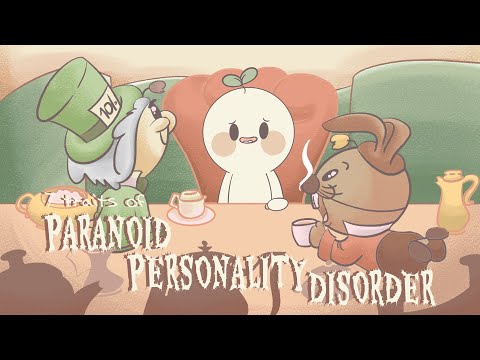
So, let’s talk about paranoia for a sec. You know, that nagging feeling when you think everyone is out to get you? Yeah, it can really mess with your head.
Imagine waking up every day feeling like you’re on high alert. Sounds exhausting, right? Well, that’s what living with constant paranoia feels like.
It creeps in when you least expect it. One minute you’re chillin’, the next you’re second-guessing every little thing and everyone around you. Seriously, it can be tough to deal with.
But here’s the thing: it’s not just about feeling suspicious; it’s a whole emotional rollercoaster that affects your life in ways you might not even realize. So let’s dig into this together!
Understanding the Consequences of Paranoia: What Can It Lead To?
Paranoia can be a heavy weight to carry around, you know? It’s that constant feeling that something’s not right or that people are out to get you. Living with paranoia shapes how you see the world and can lead to a bunch of issues, both mentally and physically.
First off, it can really mess up your everyday life. You might find yourself second-guessing every interaction. Are your friends being genuine? Is that coworker spreading gossip about you? These thoughts often create a barrier between you and the people who care.
Then there’s the impact on relationships. People may notice your distrust and pull away. It’s challenging to connect when you’re always looking over your shoulder, expecting betrayal or judgment. Friends may start to feel like they have to prove their loyalty all the time, which is exhausting for everyone involved.
And let’s not forget about mental health. Chronic paranoia can exacerbate anxiety and depression. The mind gets so tangled up in fear that it becomes difficult to focus on anything else. You might find it hard to sleep because your thoughts keep racing at night, which only heightens feelings of panic during the day.
Physically speaking, this stress takes its toll too. When you’re constantly in fight-or-flight mode due to paranoia, your body stays tense. That might lead to headaches, stomach issues, or even heart problems over time if it goes unchecked.
In some cases, untreated paranoia can evolve into something more severe like paranoid personality disorder or delusional disorders. Once you’re in that deep, it may become almost impossible for someone to convince you otherwise—kind of like being trapped in your own head.
Another thing is social withdrawal—feeling like it’s easier just not to interact with anyone. This isolation can seriously contribute to loneliness and deepen feelings of worthlessness or hopelessness.
So yeah, if you’re experiencing these kinds of feelings—or know someone who is—it’s really important to talk about them with a mental health professional. Seeking help is a courageous step towards finding some peace and clarity amidst the chaos of paranoia!
Understanding BPD Paranoia: Signs, Symptoms, and Coping Strategies
BPD Paranoia: What’s Going On?
Living with Borderline Personality Disorder (BPD) can be pretty overwhelming. One of the trickier parts? Paranoia. It’s not what you might think of as paranoia like in movies or thrillers. Instead, it’s more like a constant sense that others are judging, criticizing, or plotting against you. Seriously, that can make everyday life feel like walking through a minefield.
Signs of Paranoia in BPD
You might notice some signs if this is something you or someone close to you is dealing with. Here are a few to keep an eye out for:
You know, I had a friend who would constantly fret about her coworkers talking behind her back. She’d replay conversations in her head over and over, convinced they were out to sabotage her career. Turns out, most were just focused on their own work!
The Symptoms
The symptoms can really mess with daily life and relationships. People with BPD-related paranoia often feel isolated and misunderstood, which can make everything worse.
Caught in those spirals? It feels exhausting!
Coping Strategies
But hey, all is not lost. There are ways to deal with this kind of paranoia:
A buddy of mine started journaling whenever she felt paranoid thoughts creeping in. Just getting it down on paper let her see how irrational some worries were—and man did that create space for relief!
Your Mental Health Matters
Living with BPD isn’t easy especially with paranoia tagging along for the ride. Remember, it’s okay to seek help and find strategies that work for you! Whether through therapy or personal coping mechanisms—not every day will be perfect but finding your path forward makes all the difference. Your feelings matter and learning how to cope? It’s a journey worth taking.
Understanding Psychiatric Prescriptions for Paranoia: A Comprehensive Guide
Paranoia can be a tough nut to crack. It’s that feeling like someone’s always watching or judging you, which can seriously mess with your head. You might find yourself doubting friends or even fearing that people are out to get you. If you’re living with this constant sense of unease, it’s important to know that you’re not alone and there are ways to help.
When it comes to psychiatric prescriptions for paranoia, there are a few key options to consider. Doctors often prescribe medications that can help ease these overwhelming feelings and stabilize your mood. It’s not just about covering up symptoms; the right meds can actually help you feel more centered and able to tackle day-to-day life.
So, what kinds of medications are typically involved?
- Antipsychotics: These are often the first line of defense for paranoia. Medications like risperidone or olanzapine work by balancing chemicals in your brain called neurotransmitters. They can help reduce those paranoid thoughts.
- Antidepressants: Sometimes paranoia comes hand in hand with depression or anxiety. Drugs like sertraline or fluoxetine, which belong to a class called SSRIs, might be prescribed if there’s an underlying mood issue.
- Anxiolytics: These can provide quick relief from severe anxiety spikes related to paranoia. Medications such as benzodiazepines are effective short-term but should be used cautiously due to dependency risks.
When you’re starting any new medication, it’s crucial to keep an open dialogue with your doctor. Everyone’s body reacts differently, and finding the right balance might take a bit of time. You might experience some side effects at first—like feeling drowsy or having an upset stomach—but many people find these pass as their body adjusts.
Now, beyond medications, therapy plays a vital role too. This isn’t just about pills; working through feelings of paranoia with a professional can help you develop coping strategies and understand where these thoughts may stem from.
For instance, cognitive behavioral therapy (CBT) is particularly effective because it teaches you how to challenge and reframe those intrusive thoughts that fuel your paranoia. You could learn techniques for grounding yourself in reality—like reminding yourself of past experiences where things turned out okay instead of jumping straight into fear mode.
Also, if you’re sharing this journey with someone close, whether it’s a partner or friend, getting them involved can help create a supportive environment. Just having someone who listens and understands what you’re dealing with makes a huge difference.
Living with paranoia isn’t easy; it can color how you see the world around you—and that’s heavy stuff! But acknowledging the issue is the first step toward healing. Seeking treatment is brave! And while it may take some time to find what works best for you—both in medication and therapy—you’ve got options on your side.
Just know that reaching out for help is an important part of this journey, and taking it one day at a time is totally okay!
Living with constant paranoia is like carrying a backpack full of heavy stones every single day. It’s always there, weighing you down, making simple tasks a mountain to climb. You might find it hard to trust people, convinced that they’re whispering about you behind your back or planning something against you. It can get so overwhelming that even the most mundane situations become fraught with tension.
I remember a friend of mine who struggled with this. Every time she walked into a party or mingled in a group, her mind ran in circles. She’d scan the room for signs that people were laughing at her or judging her choices. It was exhausting. Instead of chatting and having fun, she’d spiral into anxious thoughts while everyone else seemed to be enjoying themselves. The isolation that came with those feelings hit hard—after all, it’s pretty tough to connect when you feel like everyone’s out to get you.
Psychologically speaking, living in a state of constant paranoia can lead to anxiety disorders or depression over time. It’s like being in fight-or-flight mode all the time, which isn’t exactly great for your mental health. You start to feel jumpy and irritable; sleep becomes elusive because your mind won’t shut off. Not knowing whom to trust can strip away your support system, leaving you feeling more alone than ever.
So what do you do about it? Well, some folks find therapy helpful because it gives them a safe space to talk things through and work on building trust over time—both in themselves and others. Therapy can also help reframe those pesky paranoid thoughts into something more manageable.
There are times when medication comes into play too; sometimes it helps balance out the chemicals in your brain that might be throwing things off-kilter. The road isn’t always easy—there are bumps and detours—but taking steps towards understanding yourself is crucial.
At the end of the day, living with paranoia doesn’t define who you are; it’s just part of your journey right now. And while it may feel impossible at times, know that you’re not alone in this struggle—it’s okay to reach out for help when you need it!