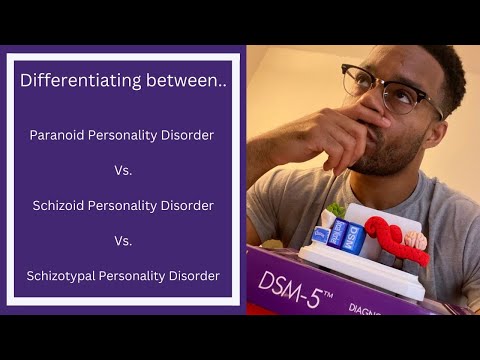
Alright, so let’s talk about paranoid schizophrenia for a sec. It’s one of those topics that can seem super intense, right? You might’ve heard the term thrown around or seen it in movies. But what does it actually mean?
Well, imagine feeling like the world is out to get you. Like, everyone’s plotting something behind your back. Sounds terrifying, doesn’t it? That’s a glimpse into the reality of someone dealing with this condition.
And here’s the thing: it doesn’t just pop up out of nowhere. It has roots and branches that twist through a person’s emotional landscape. We’re talking about real struggles and challenges.
In this little journey together, we’re gonna dive into what paranoid schizophrenia is all about according to the DSM-5. You’ll learn how it looks in everyday life and what that means for those living with it. So buckle up!
Understanding the Removal of Paranoid Schizophrenia from DSM-5: Implications and Insights
There’s been quite a stir about the removal of **paranoid schizophrenia** from the DSM-5, kinda like when your favorite show gets canceled unexpectedly. You feel me? So, let’s break this down.
First off, the **DSM-5**, which stands for the Diagnostic and Statistical Manual of Mental Disorders, is basically like a really big book that mental health professionals use to diagnose different conditions. It’s divided into categories of disorders. Previously, paranoid schizophrenia was a specific diagnosis within the umbrella of schizophrenia. But in 2013, they made some changes.
Now, paranoid schizophrenia is no longer its own category—it was folded into a more general label: just «schizophrenia.» So why did they do that? Here are a few points to consider:
- Overlapping Symptoms: Schizophrenia itself has various forms and symptoms can overlap. People diagnosed with paranoid schizophrenia often experience symptoms common to all types of schizophrenia, like hallucinations or delusions.
- A Focus on Spectrum: The shift encourages viewing it as a spectrum disorder. This means folks might experience different symptoms in varying degrees rather than being stuck in one box.
- Reducing Stigma: Having distinct labels can sometimes deepen stigma—like when people hear «schizophrenia» and their minds jump to violent images straight outta horror movies. By simplifying the diagnosis, it might help reduce this stigma.
For example, there’s John, who always thought he had paranoid schizophrenia because he heard voices telling him that everyone was out to get him. But after more nuanced assessments post-DMS-5 changes, it turns out he fits into the broader category of schizophrenia with paranoia as one prominent symptom.
This shift impacts treatment approaches too. By treating someone within a broader spectrum rather than sticking them in a specific category, clinicians might offer more tailored therapies based on individual experiences instead of preconceived notions tied to one label.
Also, think about how this affects research funding or resources allocated for care. Now that there’s less emphasis on subtypes like **paranoid schizophrenia**, funding might be redirected toward understanding the disorder as a whole—which could ultimately lead to better treatments down the road.
So yeah, while some may miss having distinct categories for every type of disorder (it feels comfy having everything labeled), this change is about refining how we understand mental health in general. It’s trying to create a space where individuals can be seen as unique cases rather than just ticking boxes based on outdated definitions.
In short? Well, it’s about evolving our approach—moving away from strict labels and focusing more on individual experiences and needs while tackling common misconceptions along the way!
Understanding Paranoid Schizophrenia: A Comprehensive Look at Its Classification as a Psychological Disorder
Paranoid schizophrenia is a bit of a heavy topic, but let’s break it down together. You might have heard the term thrown around before, but what does it really mean? Well, it’s classified as a type of schizophrenia—a serious mental disorder that affects how a person thinks, feels, and behaves. This specific type leans heavily on paranoia. So, you’re probably wondering what that looks like in real life.
The DSM-5, which is like the official handbook for mental health professionals in the U.S., offers some guidelines on diagnosing psychiatric disorders. For paranoid schizophrenia specifically, this means there are typical symptoms that tend to pop up. You can expect to see things like:
- Delusions: These are false beliefs that don’t fit reality. A person might firmly believe they’re being followed or spied upon.
- Hallucinations: This usually involves hearing voices that aren’t there, which can be really distressing.
- Disorganized thinking: Sometimes thoughts get jumbled up, making conversations tricky for individuals with this disorder.
- Sensory overload: They might feel overwhelmed by their environment because of heightened sensitivity.
Feeling paranoid day in and day out is no picnic. Imagine going to a crowded grocery store and thinking everyone around you is whispering about you or planning something harmful. That level of distress can be exhausting!
Now, not every person with paranoid schizophrenia will experience every symptom in the same way, which makes diagnosis pretty nuanced. The DSM-5 notes that these symptoms must significantly interfere with someone’s daily life—work, friendships, all that good stuff.
Let me throw in an example here: think about someone who once had close relationships and enjoyed socializing but now feels constantly anxious about trusting others. Maybe they used to go out with friends and share laughs; now they’re isolating themselves because they feel attacked at every turn—this is classic behavior related to paranoid schizophrenia.
One thing to keep in mind is how important timing is when diagnosing these conditions. The symptoms must last for a significant period—like six months or more—before we really start looking at paranoid schizophrenia seriously.
And just because someone might have paranoia doesn’t automatically mean they have this disorder; other factors come into play too! Substances like drugs or alcohol can sometimes mimic these symptoms.
Also, people often ask if medication helps. While I won’t dive deep into specifics about medications here, let’s say many individuals find relief from their symptoms through a combination of therapy and prescribed meds.
In summary, understanding paranoid schizophrenia takes some time—there’s this blend of recognizing the signs while also considering how those signs disrupt life as it unfolds for someone experiencing them. So yeah, if you ever come across someone who seems distant or consumed by these fears—just remember there could be a lot more going on beneath the surface than meets the eye!
Exploring the Four Perspectives on Schizophrenia: A Comprehensive Overview
Schizophrenia is one of those topics that can really throw you for a loop. There are different ways to understand it, especially when you look at paranoid schizophrenia. Basically, we can break down the perspectives on this condition into four main chunks: biological, psychological, sociocultural, and spiritual.
1. Biological Perspective
This looks at the brain stuff—like genetics and neurochemicals. Research shows that people with paranoid schizophrenia might have some brain structure differences compared to others. Things like dopamine imbalances play a big role too. Imagine your brain is like a playlist that keeps skipping tracks. If those dopamine levels get out of whack, your thoughts might start to sound like a broken record.
2. Psychological Perspective
Here’s where things get more about mental processes and behaviors. This viewpoint considers how experiences shape someone’s mind over time. For example, if someone grew up in an environment full of stress or trauma, they might develop beliefs that lead them to feel paranoid or suspicious later on—like thinking everyone’s out to get them.
Now picture this: Emma, who faced bullying throughout school, starts hearing voices later in life telling her she’s being watched or judged by everyone around her. Her experiences shaped her reality, feeding into the symptoms of paranoid schizophrenia.
3. Sociocultural Perspective
This one dives into how society interacts with someone dealing with mental health issues. Stigma and cultural context can significantly impact how individuals perceive themselves and are treated by others. In some cultures, mental health problems are hidden or seen as shameful, so folks might not seek help when they need it.
Think of it this way: if someone believes their community’s views on mental illness are negative and unsupportive, they might avoid telling anyone about their experiences for fear of rejection or misunderstanding.
4. Spiritual Perspective
Lastly comes the spiritual side of things; this looks at the deeper meaning behind one’s experiences. For some people with paranoid schizophrenia, their symptoms could be seen as a spiritual crisis rather than just a medical issue. They might seek connections through meditation or other practices that help them find peace amidst chaos.
So if we take these four perspectives together—biological factors that influence brain function; psychological impacts from life experiences; sociocultural influences that shape perceptions; and spiritual interpretations—the picture starts to come together in a clearer way.
In short, understanding paranoid schizophrenia requires looking at all these aspects together; each perspective adds depth to what can be an incredibly difficult experience for many individuals dealing with this condition daily. It’s complex but important work for anyone interested in mental health!
Paranoid schizophrenia is one of those mental health conditions that can feel pretty daunting, both for those who experience it and for their loved ones. So, you know, when you hear the term “paranoid schizophrenia,” it’s like it carries this heavy weight. It’s categorized in the DSM-5, which is basically a big book of mental disorders that clinicians use to diagnose and understand various psychological issues.
The thing about paranoid schizophrenia is that it can make everyday life feel completely out of control. Imagine walking down the street and feeling like everyone’s watching you or plotting against you. That constant sense of suspicion can really strain relationships and make it hard to trust anyone—even friends or family members who just want to help.
A buddy of mine went through a tough time with this condition. He thought people were following him everywhere, even at work. It was heartbreaking to see him so isolated, feeling like he couldn’t confide in anyone because he was convinced they’d betray him. And honestly? He had these moments when he’d get really angry if someone brushed him off or didn’t respond in a way he expected. You could see how much pain and anxiety he was in.
On the psychological side, paranoid schizophrenia often includes hallucinations and delusions—like hearing voices or believing false things about reality, which makes daily functioning super challenging. It also messes with emotions; clients might swing from feeling totally paranoid to having almost no feelings at all.
The DSM-5 highlights the need for comprehensive treatment plans since no two individuals are exactly alike in their experiences with this condition—what works for one person might not work for another. Therapy can be crucial here; cognitive behavioral therapy (CBT) often helps by teaching coping skills and ways to challenge those unhelpful thoughts.
Medications also play a role in stabilizing the mood and reducing symptoms, but they don’t always work right away—or at all—for everyone. It’s like finding a balance between managing symptoms while also allowing space for individuality and personal experiences.
So yeah, understanding paranoid schizophrenia involves looking beyond just the symptoms outlined in the DSM-5—you’ve gotta recognize how deeply these symptoms affect life on a daily basis. Empathy is massive here; listening without judgment can mean everything to someone struggling with paranoia. There’s so much more below the surface than what labels can explain—the human aspect is what really matters at the end of the day.