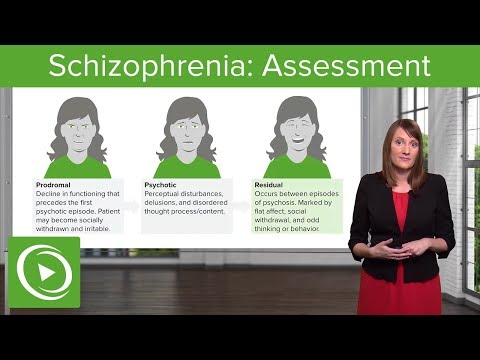
So, let’s talk about paranoid schizophrenia. It’s one of those terms that can sound super scary, right? But honestly, it’s more common than you might think.
Imagine being in a world where you feel like everyone is out to get you. Yeah, not a great vibe. That’s part of what it feels like for folks dealing with this condition.
But here’s the thing: understanding it better can really make a difference. So, how do we get to the heart of it? Well, psychological tests are one way to dig in and figure things out. They help paint a clearer picture of someone’s experience.
Let’s unpack this together and see what these tests really involve!
Exploring Psychological Tests for Diagnosing Schizophrenia: What You Need to Know
Schizophrenia can be pretty complicated, and it often brings up a lot of questions about how it’s diagnosed. Seriously, if you’ve ever thought about the psychological tests involved in diagnosing paranoid schizophrenia, you’re not alone. Let’s break this down together.
First off, what is paranoid schizophrenia? Well, it’s a subtype of schizophrenia where people often experience delusions—like feeling that others are out to harm them—and hallucinations, which can mess with their sense of reality. It’s tough stuff, and getting the right diagnosis is key to finding help.
Now, onto the tests. When someone might have paranoid schizophrenia, mental health professionals generally use a combination of different psychological tests and assessments to understand what’s going on more clearly. Here are some of the main tools they might use:
- Clinical Interviews: This is basically a conversation between a therapist or psychiatrist and the person. They dive deep into symptoms, history, and overall functioning. It’s kind of like having an open chat where all your feelings matter.
- Psychological Questionnaires: These are structured forms that help evaluate symptoms over time. Think of them as checklists for feelings and experiences affecting your daily life.
- Cognitive Assessments: These tests look at thought processes—how you think and reason. Paranoid thoughts can sometimes change how someone processes information.
- Behavioral Observations: Mental health professionals pay attention to how you act in different situations. Sometimes your behavior speaks volumes more than what you say.
Alright, so let me give you an example here: imagine you’re seeing a therapist because you’ve been feeling really on edge lately—like everyone’s watching you or plotting against you. The therapist might start with a clinical interview to get to the root of those feelings. They could ask about specific experiences where these thoughts show up or how they impact your daily life.
Also important are those questionnaires I mentioned earlier—these can help track what kind of thoughts are popping up regularly so that everyone involved understands just how much they affect your vibe each day.
It’s worth noting that diagnosing paranoid schizophrenia isn’t just about checking boxes on tests; it’s also about gathering all this information to see if it matches known criteria for the disorder laid out in manuals like the DSM-5 (Diagnostic and Statistical Manual of Mental Disorders). But here’s the kicker: not everyone fits neatly into boxes! Each person’s experience with paranoia can be unique.
And remember: if psychiatric professionals do diagnose paranoid schizophrenia using these tools and assessments, it’s not all doom-and-gloom! There are treatment options available—from therapy to medication—that can really help manage symptoms.
In short, navigating through these psychological tests isn’t just about labels; it’s about understanding what’s happening beneath the surface so that meaningful support can happen for you or someone else struggling with paranoia and confusion stemming from this disorder. Just know there’s hope out there!
Understanding the PANSS Assessment: A Comprehensive Guide to Evaluating Mental Health
The PANSS, or Positive and Negative Syndrome Scale, is a big deal when it comes to evaluating mental health, especially for folks with paranoid schizophrenia. This tool helps doctors figure out what’s going on in someone’s head by measuring various symptoms. It’s structured, detailed, and super helpful for treatment planning and assessments.
What Does the PANSS Include?
The PANSS breaks down symptoms into three main categories: positive symptoms, negative symptoms, and general psychopathology. The positive symptoms are things like hallucinations or delusions. You know, those experiences where someone really believes something that isn’t true. Negative symptoms might include lack of motivation or emotional flatness—like when someone doesn’t seem to care about things that used to bring them joy. Then there’s general psychopathology which includes more broad issues like anxiety or depression.
How Is It Used?
During the evaluation process, clinicians use a structured interview to ask specific questions related to the three symptom categories. Each symptom gets rated on a scale from 1 (absent) to 7 (extreme), so there’s a lot of room for nuance in understanding where someone is at. This way, doctors can see changes over time as treatment progresses.
Why Is It Important?
Using the PANSS helps create a clear picture of an individual’s mental health status. For example, if someone scores high on positive symptoms but low on negative ones at first glance, it might indicate they’re experiencing acute episodes that need immediate attention. Meanwhile, tracking these changes over time can show if a treatment plan is working—or if it needs some rethinking.
A Personal Touch
I remember hearing about a friend who was diagnosed with paranoid schizophrenia after struggling with intense fears and voices in their head for years. They went through the PANSS assessment and found out that not only did they have actionable treatment plans lined up based on those results but also learned so much about their own condition through this process.
The Bottom Line
The thing is, the PANSS isn’t just numbers—it’s part of understanding someone’s unique experience with mental health issues like paranoid schizophrenia. By breaking down complex topics into manageable parts and using ratings that highlight different aspects of their condition, clinicians can better support individuals on their journey toward recovery. So when you think about mental health assessments? Yeah—tools like the PANSS are crucial in shaping effective treatments!
Understanding Psychological Tests for Schizophrenia: Tools for Diagnosis and Insight
Understanding psychological tests for schizophrenia can feel a bit overwhelming, but let’s break it down together. Schizophrenia is a mental health condition that’s often misunderstood, and diagnosing it isn’t as simple as you might think. Basically, it’s about piecing together different parts of a puzzle based on various tools and tests.
When we talk about **psychological tests** for schizophrenia, we’re generally referring to a mix of interviews, questionnaires, and standardized assessments. These help professionals gauge symptoms, functioning level, and overall mental state. It’s not just one test that gives the whole picture—it’s more like gathering clues to form an understanding.
One key aspect is the **clinical interview**. A therapist or psychiatrist will ask about your history: symptoms you’ve experienced, family dynamics, any previous treatments—stuff like that. They’re looking for things that point towards schizophrenia or other related conditions.
Standardized questionnaires are another tool in the toolbox. Tests such as the Positive and Negative Syndrome Scale (PANSS) or the Brief Psychiatric Rating Scale (BPRS) help identify specific symptoms like paranoia or hallucinations. So if you say you’re hearing voices or feeling watched all the time—those scores can quantify what you’re experiencing.
And then there are projective tests, which might sound fancy but they’re pretty straightforward in concept. In these tests, you might look at ambiguous images or respond to open-ended questions. Your responses help reveal underlying thoughts and feelings that aren’t always obvious in more structured formats.
Now let’s talk about paranoid schizophrenia specifically. This type can make someone feel extremely suspicious or on edge; basically living in constant fear of being persecuted. Psychological tests can help pinpoint these paranoid tendencies by assessing things like:
- Delusions: Are there any fixed false beliefs? For instance, thinking people are plotting against you.
- Hallucinations: Are you hearing voices that aren’t there? Or maybe seeing things others don’t?
- Cognitive Function: How well do you process information? Tests may evaluate memory and decision-making abilities.
I once had a friend who struggled with paranoid thoughts; she would often believe people were talking about her when they weren’t even aware of her presence. It was heartbreaking to see her anxiety spiral from these thoughts into isolation.
Psychologists use these assessments not just to diagnose but also to create a tailored treatment plan that fits your needs better than a one-size-fits-all approach.
So remember: this whole testing process is meant to offer insights—not just diagnosis but understanding what you’re going through at a deeper level. It’s all about finding the right support so you can navigate life in a way that feels safer and more manageable for you—and that’s pretty important!
So, let’s chat about paranoid schizophrenia for a moment. It’s this really complex condition that can turn life upside-down for those who experience it. You know, when someone dives deep into their own thoughts and ends up feeling like the world is out to get them? That’s part of it. They might have these intense feelings of suspicion or even delusions that people are plotting against them. It’s a lot to juggle.
When it comes to evaluating paranoid schizophrenia, there are psychological tests that help professionals understand what someone is going through. These tests can range from interviews to questionnaires, and they aim to paint a clearer picture of the person’s experiences and thoughts. So fascinating, right?
I remember a friend of mine telling me about their little brother, who got diagnosed with this condition. He used to think his neighbors were constantly spying on him—like he’d cover the windows and refuse to step outside because he believed they were watching every move he made. For him, those feelings were incredibly real and distressing. The testing process was tough but necessary to get him the help he needed.
In these evaluations, psychologists look at how long these symptoms have persisted and how they impact daily life. They’re trying to figure out not just if someone has paranoia but how deep it goes—like figuring out how much cake you can eat before your stomach says “no more.” You know?
So, these tests aren’t just academic exercises; they’re essential tools in understanding people on such a personal level. It’s about helping individuals navigate their reality while connecting with resources that might ease their journey forward. And isn’t that what we all want in some way? To feel understood?