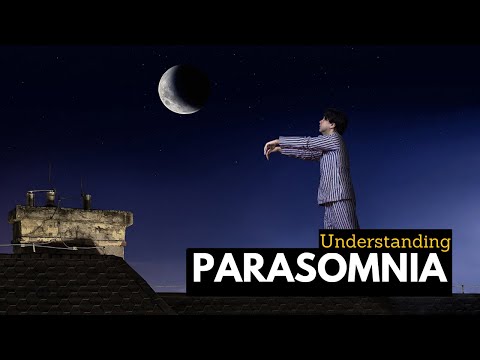
You know those nights when you wake up, totally confused, not sure where you are? Yeah, that’s a thing. It’s called parasomnia.
It can mess with your sleep in all sorts of wild ways. Ever heard of sleepwalking or night terrors? Yup, that’s what we’re talking about here. Crazy, right?
So, dealing with this stuff can feel overwhelming. But the cool thing is, there are some psychological approaches out there that might help. Seriously!
Imagine finally getting a good night’s sleep again. Wouldn’t that be amazing?
Exploring Effective Psychological Treatments for Sleep Disorders: A Comprehensive Guide
Sleep disorders can seriously mess with your day-to-day life. When it comes to parasomnias, which are pretty much unusual behaviors during sleep, things can get really tricky. But don’t worry! There are some effective psychological treatments out there that can help you get a better night’s sleep.
First off, let’s chat about **cognitive-behavioral therapy (CBT)**. This approach is super helpful for folks dealing with various sleep issues, including parasomnias. Basically, CBT helps you identify and change negative thoughts or behaviors around sleep. You know how sometimes your brain just won’t shut up when you’re trying to fall asleep? Well, CBT tackles that by giving you tools to manage those thoughts and promote healthier sleep habits instead.
Another great method is **stimulus control therapy**. This one’s, like, all about creating a strong connection between your bed and actual sleep. The idea is to associate the bedroom with just sleeping (and maybe some intimate time if that’s your jam). If you’re tossing and turning or doing anything but sleeping in bed—like scrolling through your phone—you’re encouraged to get up and do something else until you’re really tired again.
Also, there’s something called **sleep restriction therapy**. Now, this one sounds kinda harsh but hear me out! You start by limiting the amount of time you spend in bed based on how much you actually sleep each night. It might feel counterintuitive; who wants to spend less time in their cozy spot? But what it does is help build up a stronger desire for sleep over time.
And let’s not forget about the importance of keeping a **sleep diary**. Keeping track of when you go to bed and wake up, along with any nighttime activities or symptoms you experience, can give valuable insights into what might be causing those pesky parasomnia episodes.
But hey! It’s essential for anyone dealing with severe parasomnia symptoms to consult with healthcare professionals first. They might suggest an overlap of these psychological approaches with some other treatments or lifestyle changes tailored just for you.
You see? Sleep disorders aren’t just annoying; they can really impact your mental health too! That’s why exploring these psychological treatments not only targets the symptoms but also helps improve overall well-being. And remember: it takes time and patience for these methods to work their magic!
In short:
- Cognitive-behavioral therapy (CBT) helps shift harmful thoughts around sleep.
- Stimulus control therapy connects bedtime solely with sleeping.
- Sleep restriction therapy limits time in bed to build urgency for rest.
- Keeping a sleep diary provides insight into patterns and triggers.
So if you’re struggling with restless nights due to parasomnias or any other kind of sleep disorder, don’t hesitate! There are ways out there designed specifically for folks like us who just want some decent shut-eye.
Understanding the Cognitive Approach to Effectively Treating Sleep Disorders
Sleep disorders can be a real pain, right? One thing that often gets overlooked is the **cognitive approach** to treating these pesky issues, specifically when it comes to disorders like parasomnia. So, let’s break it down.
When we talk about the cognitive approach, we’re diving into how our thoughts and beliefs affect our behavior. With sleep disorders, this can be super important! For instance, if you’re constantly worried about not getting enough sleep, that anxiety can actually keep you awake longer. You see how that works?
The first step in this approach is understanding your own thoughts around sleep. It’s like when Sarah was struggling with night terrors. Instead of just treating her symptoms, her therapist helped her unpack what those dreams meant for her. They explored how fear and stress from her daily life spilled over into her sleep.
Next, there’s **cognitive restructuring**. It’s fancy talk for changing negative thought patterns into more positive ones. If your mind races at night thinking things like «I’ll never fall asleep,» the goal here is to challenge those thoughts. The therapist might say something like “What evidence do you have that you won’t sleep?” This method helps replace panic with more rational thinking.
Another key element is **behavior modification**. Basically, it’s about changing your habits related to sleep through techniques like **stimulus control** and **sleep restriction therapy**. Have you heard of these? They help create a strong mental association between your bed and sleep rather than tossing and turning or scrolling on your phone.
Some people benefit from keeping a **sleep diary** as well. This means jotting down how you feel before bed along with any crazy dreams or disrupted nights—which helps everyone involved get a clearer picture of what’s going on.
Finally, it’s super crucial to focus on relaxation techniques. Things like mindfulness or meditation are great ways to calm the mind before bed—not just for parasomnia but for all types of sleep disorders! Look at James; he started practicing mindfulness and noticed his nightmares faded away over time because he learned to manage his anxiety better.
So basically, the cognitive approach delves deep into understanding how your mind works regarding sleep and trains it to adopt healthier thought patterns—all while implementing good bedtime habits too! It’s not an overnight fix (pun intended), but with consistency, many people find relief from their symptoms and finally wake up feeling refreshed instead of wrecked!
Effective Strategies for Treating Non-REM Parasomnias: A Comprehensive Guide
When it comes to non-REM parasomnias, like sleepwalking or night terrors, you’re dealing with some interesting and sometimes scary stuff. Basically, these are behaviors that happen while you’re in deep sleep but can end up confusing the heck out of people around you. So, let’s dive into some effective strategies that might help manage these episodes.
Understanding the Problem
First off, it’s crucial to get a grip on what’s going on during non-REM sleep. During this stage, your body and mind are sort of in a reboot mode—like your computer after an update. But if something goes wrong, you might find yourself acting out, which can be distressing not just for you but for anyone who witnesses it.
Psychological Approaches
A lot of times, psychological tactics can be just as beneficial as medical ones. Here are some strategies that have shown promise:
- Cognitive Behavioral Therapy (CBT): This is a super common approach that helps to reframe negative thoughts and behaviors related to your sleep issues. For example, if you have anxiety about sleeping because you’re worried about acting out, CBT can help break down those fears.
- Sleep Hygiene Education: Basically, this means creating an ideal environment for sleep—think cool room temperatures and no screens before bed! It sounds simple but it can make a big difference.
- Relaxation Techniques: You know those mindfulness exercises? They’re not just for yoga classes! Practicing relaxation techniques like deep breathing or progressive muscle relaxation before bedtime can calm your mind and prepare your body for restful sleep.
Creating a Safe Environment
This one’s super important—safety first! If someone is prone to sleepwalking or having night terrors, consider taking steps like:
- Removing obstacles: Clear away anything they might trip over if they get up in the middle of the night.
- Securing windows and doors: Make sure they can’t wander outside without anyone noticing.
Medication as a Last Resort
Sometimes doctors might prescribe medication—though it should be more of a last resort than the first step. It’s essential to talk through all the options with a healthcare provider. Medication really isn’t one-size-fits-all; what works for one person could totally flop for another.
The Role of Sleep Studies
If things are getting really nuts or intense, maybe consider undergoing a sleep study. This will help identify specific patterns or triggers related to the parasomnias. Having concrete data could change how treatment is approached.
To wrap things up here: dealing with non-REM parasomnias isn’t easy—it might feel overwhelming at times. But by using these strategies and working closely with professionals who understand these conditions can make managing them less daunting over time. Just remember: progress takes time!
Parasomnia can be such a sleep thief, don’t you think? I mean, one minute you’re dreaming of floating in a cotton candy land, and the next you are waking up in a cold sweat because you were yelling at the top of your lungs or even walking around your house. It’s wild how our minds work during sleep, right?
I remember a friend of mine who used to have some pretty gnarly experiences with sleepwalking. One night, she woke up in the kitchen trying to make herself breakfast, completely unaware that it was 3 AM! I can’t imagine how disorienting and confusing that must’ve felt for her. And that’s what we’re talking about here—parasomnias include things like sleepwalking, night terrors, or even acting out your dreams. But there’s hope if this kind of thing is messing with you or someone you care about.
Now let’s chat about some psychological approaches that can help manage these symptoms. Cognitive-behavioral therapy (CBT) pops up often when discussing various mental health issues because it aims to change patterns of thinking or behavior. For parasomnia sufferers, CBT might focus on helping you identify triggers—like stress or anxiety—and ways to manage those feelings before bedtime. Simple practices like keeping a sleep diary can help spot what’s causing those nighttime disruptions.
Another cool method is something called imagery rehearsal therapy. It’s basically where you take those scary dreams or sleepwalking triggers and rewrite them into more comforting scenarios while awake. So instead of dreaming about being chased by monsters, you might visualize yourself calmly walking through a beautiful park instead. When you practice this consistently, it helps reduce the emotional intensity tied to those nightmares when they happen.
When talking about these approaches with friends or family who might be struggling with parasomnia symptoms, keeping an open dialogue is key! Sometimes just sharing your experiences makes all the difference. And who knows? They might not feel so alone in their nightly battles.
So yeah, while parasomnias can make for some bizarre nights and even wilder stories for our friends over coffee, there are actually pretty solid psychological strategies out there to help ease those symptoms. Awareness and understanding go a long way too—it’s all about finding what works best for each individual journey through those mysterious nighttime adventures!