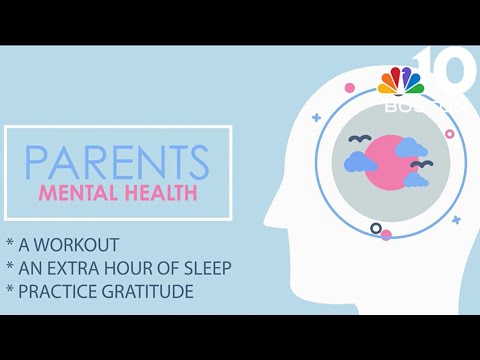
Hey there! You know, being a parent can feel like a rollercoaster ride sometimes. The highs are amazing, but the lows? They can really hit hard. Seriously, raising kids is no joke.
So, what if I told you that taking care of your mental health could make so much difference? When parents prioritize their own well-being, everyone wins. It’s not just about you—it’s about creating a happier home for your kids too.
It’s kinda like that whole oxygen mask thing on airplanes. You have to put yours on first before helping others. Makes sense, right?
Let’s chat about how we can nurture ourselves and our little ones together. Because hey, we’re all in this parenting thing together!
Understanding the 3-Month Rule in Mental Health: Key Insights for Emotional Well-Being
So, the 3-Month Rule in mental health is kind of a big deal for a lot of folks trying to make sense of their emotional well-being. It basically suggests that after experiencing a significant emotional event, like a breakup or the loss of a job, you might need about three months to process everything fully. It’s not just some random number—it’s based on how our minds work.
Why three months? Well, it takes time to grieve or adjust to change. You’re not just feeling sad or anxious; you’re also dealing with all those complicated emotions that can swirl around during tough times. Think about it: when you face something heavy, your feelings can be like a roller coaster. Some days you might feel okay, while on other days, it hits you hard. That’s totally normal!
After about three months, here’s where things get interesting. If you’re still feeling stuck or overwhelmingly down, it might be time to reach out for some support. Seriously, that could mean talking to friends or family who get what you’re going through—or even seeking professional help if things don’t seem to improve.
So what can help during this time? Here are a few points:
- Talk it out: Chatting with someone who listens can make a huge difference.
- Practice self-care: This could be anything from exercising, journaling your thoughts, or even picking up an old hobby that brings joy.
- Acknowledge your feelings: Whatever you’re feeling is valid—don’t push those emotions away!
- Create stability: Sticking to routines can help ground you while everything feels chaotic.
You know how sometimes parents worry about their kids’ mental health? They might think if they’re nurturing and supportive enough—well, that’s important too! When caregivers prioritize their own mental well-being and use the 3-month rule as a guideline for themselves and their kids, they create an environment where emotions are acknowledged and talked about openly.
For instance, if a child is going through something tough at school—like bullying—it’s key for parents to recognize that healing takes time. They should encourage their kids to express what they’re feeling and let them know they’re there no matter how long it takes.
Basically, the 3-Month Rule isn’t just about waiting around; it’s about nurturing relationships during tough times. This way, both parents and children learn together how important emotional health really is—you feel me? Taking care of each other’s mental states encourages growth and understanding in those familial bonds.
In short: after trauma or emotional upheaval, give yourself (and others) some grace for about three months! It’s okay if healing isn’t instant; what’s crucial is creating an open space where everyone feels safe and supported through whatever life throws at them.
The Crucial Link: How Parents’ Mental Health Affects Their Children’s Well-Being
So, let’s talk about this important connection between parents’ mental health and their kids’ well-being. It’s really a biggie, and understanding it can change the game for families everywhere.
First off, what’s the deal? When parents are feeling mentally unwell—whether that’s anxiety, depression, or something else—it can seriously affect their kids. Children pick up on their parents’ emotions like sponges. If you’re stressed or feeling low, they can sense that in your tone of voice or even in your body language. It’s like an invisible thread connecting you both.
Kids are sensitive. They often don’t have the words to explain how they feel about their parents’ struggles. So they might show it in different ways, like acting out in school or having trouble making friends. Can you imagine a little one feeling confused or scared because they don’t really understand what’s happening?
Here are some ways your mental health might impact your kids:
- Emotional Regulation: If you struggle with managing your emotions, how can you teach them to do the same? Kids learn by watching us. When you’re overwhelmed and can’t cope well, they may not know how to handle big feelings either.
- Attachment Styles: Parents with anxiety or depression might have a harder time being consistently available emotionally. This inconsistency can lead children to develop insecure attachment styles. Think about those times when you just couldn’t be present—your kid feels that absence.
- Behavioral Modeling: If a parent is often irritable or disengaged, kids may think that’s normal behavior. They might mimic those patterns without even realizing it! It sets up a cycle of stress and misunderstanding.
- Family Dynamics: A parent’s mental health issues can strain relationships within the family unit. Siblings could end up competing for attention or acting as caregivers instead of just being kids.
And here’s something to really think about: When parents take steps to prioritize their own mental health—like going to therapy or practicing self-care—it doesn’t just help them; it benefits the whole family! Seriously! Families with healthy emotional climates tend to have happier kids who feel safe expressing themselves.
You ever see a scene where a kid is trying to comfort an upset parent? It’s heartwarming but also heartbreaking at the same time because it shows how intertwined our emotional states are.
So what’s the takeaway? Look, if you’re struggling with your mental health, it’s super important not just for you but for your kiddos too that you seek help and prioritize nurturing yourself. There’s no shame in asking for support—it’s strength disguised as vulnerability.
Together as a family unit, nurturing each other makes all the difference. You create an environment where everyone feels secure and valued—and that’s exactly what kids need to thrive!
Understanding Parent Mental Health: Key Statistics and Insights for Better Family Wellness
Understanding parent mental health isn’t just about numbers; it’s about how it affects the entire family dynamic. When parents struggle, the ripple effects can touch every aspect of family life, from communication to emotional wellness.
Statistics paint a stark picture. Did you know that nearly 1 in 5 adults in the U.S. experience mental illness? That’s like one of your five friends, right? Among parents specifically, stressors such as juggling work and family responsibilities can increase those numbers. Around 10% of moms and dads report symptoms of depression or anxiety.
So why does this matter? Here’s the thing: If your mental health is on shaky ground, it can impact how you interact with your kids. Children often pick up on their parents’ emotional states. If you’re feeling overwhelmed or anxious, they might feel that too. It can lead to behavioral issues and even affect their own mental health long-term.
Another thing to consider is how these struggles can interfere with parenting styles. Parents dealing with their own mental health issues may become more reactive or less engaged. This isn’t because they don’t want to be involved; it’s often simply because they’re stretched thin emotionally.
Family wellness thrives on support. When parents prioritize their own mental well-being, everyone benefits. For instance, engaging in self-care—like therapy, exercise, or just some “me time”—can make a world of difference. It helps create a calmer home environment where kids feel secure and understood.
And let’s not forget about communication! Open conversations about feelings and struggles are vital. When families discuss mental health openly, it normalizes these feelings for kids and teaches them healthy coping mechanisms.
But what if things get tough? It’s essential to recognize when professional help is needed. Reaching out for therapy or counseling doesn’t mean you’ve failed as a parent; it shows strength and a desire for improvement—for yourself and your children.
In summary, nurturing parents is key to better family wellness. Mental health matters deeply in the parenting realm. By making self-care a priority and encouraging open discussions in your family about emotions, you’re setting up a healthier environment for everyone involved. Isn’t that something worth striving for?
You know, parenting is one of those roller coasters that can be both amazing and tough at the same time. Seriously, there’s just so much pressure to do everything right—like you want to raise these amazing kids but also keep your own mental health in check. And here’s the thing: kids really feed off your emotions and energy. If you’re juggling a lot of stress or anxiety, they might start feeling it too.
I remember a time when things were pretty chaotic in my house. I was feeling overwhelmed with work, and my little one picked up on it. One minute, we were having a great time building a fort out of pillows, and the next, I felt this wave of frustration just wash over me. Instead of snapping at her, I took a deep breath and said, “Hey sweetie, let’s take a break.” We ended up going for a short walk instead. It was such a simple moment but made all the difference.
So yeah, nurturing parents need to prioritize their mental health too—like it’s not selfish; it’s essential. Taking care of yourself means you can show up better for your kids. You will be more present and patient when they need you the most.
Sharing mental health conversations within the family is super important as well. Asking them about their feelings or even sharing what you’re going through can create an open environment where everyone feels valid—you’re all in this together! You know? And teaching them healthy coping skills from an early age can equip them with tools they’ll carry for life.
It’s about creating balance—finding moments of joy while acknowledging struggles together. So remember: nurturing yourself isn’t just good for you; it’s good for everyone involved too!