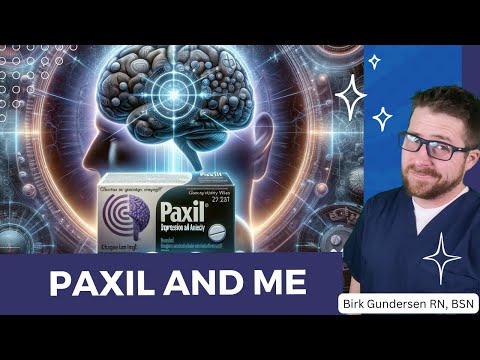
Hey, so let’s chat about something that’s been a game changer for a lot of folks out there dealing with anxiety. You know how that can feel, right? Like you’re just caught in this endless loop of worry and tension.
Enter paroxetine 20mg—this little pill has been helping people find their footing again. It’s not a magic wand, but it can make a big difference.
Imagine waking up one day and feeling… well, more like yourself. That’s what some people experience when they give this med a try. It’s all about finding some balance in the chaos, you know?
So, let’s dig into what paroxetine is all about and how it may help with those pesky anxiety disorders!
Understanding the Effectiveness of 20 mg Paxil for Managing Anxiety Symptoms
Paxil, or Paroxetine, is a medication that falls under the category of selective serotonin reuptake inhibitors (SSRIs). It’s widely used to help manage anxiety symptoms, among other things. You might be wondering, how does 20 mg of Paxil actually work for anxiety? Let’s break it down.
First off, the way SSRIs function is pretty interesting. They basically increase levels of serotonin in the brain. Serotonin’s like a happy chemical that helps with mood regulation. When you pop a 20 mg pill of Paxil, it keeps more serotonin around longer. This can help you feel less anxious and more at ease.
So, how effective is this dose? Well, studies have shown that many people experience relief from their anxiety symptoms after starting Paxil. It’s generally considered effective for disorders like generalized anxiety disorder (GAD), social anxiety disorder, and panic disorder. But remember, results can vary from person to person.
Now let’s chat about some actual experiences. Imagine someone who’s been struggling with overwhelming panic attacks—like they’re walking into a crowded room and can’t breathe because they feel trapped. After starting on 20 mg of Paxil, they might find those attacks happening less frequently over time. It doesn’t make all their worries go away instantly; it’s more like giving them a sturdy life jacket when they’re swimming through choppy waters.
However, not everything is sunshine and rainbows when it comes to medications like Paxil. Some folks may experience side effects such as nausea, tiredness, or even withdrawal symptoms if they stop taking it suddenly without consulting their doctor. That’s why staying in touch with your healthcare provider during treatment is super important!
There’s also something called the “trial-and-error” process involved here. Hey, finding the right dose can sometimes take time—just because 20 mg works for one person doesn’t mean it’ll work for everyone else in the same way.
Additionally, combining therapy with medication often yields better results than relying on just one approach alone. Cognitive-behavioral therapy (CBT), for example, helps people develop coping strategies while medications like Paxil address biochemical factors behind anxiety.
To wrap it all up: 20 mg of Paxil can be effective in managing anxiety for many people thanks to its ability to boost serotonin levels in the brain. Just keep in mind that individual responses vary and side effects are possible too; working closely with a doctor can help maximize benefits while minimizing downsides!
Understanding How Paroxetine Alleviates Anxiety Symptoms: Benefits and Mechanism
So, let’s chat about Paroxetine and how it can help with anxiety, alright? Paroxetine, often known by the brand name Paxil, is an antidepressant that falls into a category called SSRIs (Selective Serotonin Reuptake Inhibitors). Now, just because it’s labeled for depression doesn’t mean it doesn’t work wonders for anxiety too. It actually does!
Mechanism of Action
The thing about Paroxetine is that it helps to increase serotonin levels in your brain. You know how serotonin is often called the “happy chemical”? Yeah, boosting this neurotransmitter can help lift your mood and ease anxious feelings. Basically, what happens is that when you take Paroxetine, it blocks the reabsorption of serotonin in the brain. This means more serotonin remains available to keep sending those soothing signals.
Benefits
Now let’s break down some benefits of using Paroxetine for anxiety:
- Reduced Anxiety Symptoms: Users often report less worrying and feeling more relaxed.
- Improved Mood: It can also help with feelings of sadness or low energy.
- Better Sleep: Many folks find they sleep better since their racing thoughts calm down.
- Easier Focus: When anxiety lessens, it’s easier to concentrate on tasks without feeling overwhelmed.
You know how crippling anxiety can be? I had a friend who used to dread social gatherings. Just thinking about them made her stomach twist in knots. After starting Paroxetine, she found herself less worried about what people thought and more able to enjoy being around others. And that’s huge!
No Quick Fix
But here’s the catch: relief doesn’t happen overnight. It usually takes a few weeks before you start noticing the full effects. So if you don’t feel better right away, don’t freak out! Just stick with your doc’s plan.
Also worth mentioning are potential side effects like nausea or drowsiness when starting out. But many people find these fade as their body gets used to the medication.
In short, if you’re grappling with anxiety disorders like Generalized Anxiety Disorder (GAD) or Social Anxiety Disorder (SAD), Paroxetine could be something worth discussing with your healthcare provider. It’s not a magic bullet but when combined with therapy or lifestyle changes, it can be a solid part of managing anxiety effectively!
Combining Gabapentin and Paroxetine: Safety, Benefits, and Considerations for Mental Health
When it comes to mixing Gabapentin and Paroxetine, a lot of folks have questions. It’s totally normal. After all, both of these meds are commonly used in the world of mental health, but they do have some differences, you know? So let’s break this down.
Gabapentin is usually prescribed for nerve pain and seizures, but it’s also been found useful for anxiety in certain cases. On the other hand, Paroxetine, which you might know as Paxil, is mainly used to treat anxiety disorders and depression. So combining these two could potentially help some people manage their symptoms better.
However, the safety of combining Gabapentin and Paroxetine isn’t a simple yes or no answer. Here are some key points to keep in mind:
- Drug Interaction: There can be potential interactions. Both drugs can affect your central nervous system (CNS), so using them together might increase side effects like dizziness or drowsiness.
- Dosing Matters: If a doctor decides that the combo is right for you, they’ll likely adjust dosages carefully. You don’t want to jump into taking full doses of both at once.
- Monitoring Side Effects: Keeping an eye on how you’re feeling while on these meds together is super important. You may want to jot down any changes and talk with your provider.
Now let’s talk about why someone might use both meds together. Maybe you’re dealing with anxiety that doesn’t quite respond to just one medication alone. It happens! Sometimes Gabapentin can provide that extra layer of relief when paired with Paroxetine.
One thing I’ve seen with friends is how medication can influence mood dramatically—like that time my buddy started on Paroxetine for his anxiety but still felt jittery from stressors in life. Once his doctor added Gabapentin into the mix, he noticed a softening of those sharp edges in his day-to-day feelings.
But here’s where it gets tricky—everyone reacts differently! What works wonders for one person could lead to unwanted problems for another. That’s why communication with your healthcare provider is crucial throughout this process.
And remember: never mix or adjust your medications without talking to a medical professional first! They know your background and needs best.
To sum it up: combining Gabapentin and Paroxetine can offer benefits if managed carefully under professional guidance but always pay attention to how you feel—and don’t hesitate to reach out about any concerns! Your mental health journey should be as smooth as possible!
You know, when you think about anxiety, it can feel like this heavy cloud just hanging over your head all the time. For some folks, it’s like a never-ending cycle of worry and panic. And that’s where medications like paroxetine come in. Paroxetine, or Paxil as some might know it, is a selective serotonin reuptake inhibitor (SSRI). Sounds fancy, right? Basically, it helps increase the level of serotonin in your brain. That’s the good stuff that makes you feel happier.
I remember chatting with a friend who was dealing with crippling anxiety. It was tough for her to even step outside her door without feeling overwhelmed. She talked about how she felt trapped—like an invisible wall was keeping her from living her life fully. When she started taking paroxetine 20 mg, I saw a shift in her mood over time. It wasn’t instant; nothing ever is. But slowly, she began to open up and share more about what she wanted to do again—like going on hikes and meeting friends.
But let’s be real: medication isn’t a magic fix-all. Some people might find paroxetine helpful while others could feel funky side effects or might not respond well at all. It’s all about finding what works for you personally and sometimes that takes a bit of trial and error.
And there’s also therapy—learning coping techniques can be super beneficial alongside meds. It’s like having two tools in your toolbox instead of just one! The key is communication with your healthcare provider so they can help navigate this journey.
In a way, talking about medications can feel sort of clinical? But really, these little pills can change lives if used appropriately alongside other treatments. Just thinking about my friend now—a year later—she’s out there conquering her fears! It’s pretty incredible how managing anxiety can open up so many doors you didn’t even know were there before!