So, let’s chat about paroxetine, okay? You ever heard of it? It’s one of those medications that gets tossed around in conversations about mental health.
Now, I know what you’re thinking: «Another med? Really?» But hang on! There’s a lot more to this little pill than meets the eye.
It can play a big role in treating conditions like depression and anxiety. And trust me, many people find it helpful.
But it’s not all sunshine and rainbows. There are some things you should definitely know before diving in.
So, grab your coffee or tea, and let’s figure this out together!
Understanding Paroxetine: Uses and Benefits for Mental Health Treatment
Paroxetine is a medication that’s part of the selective serotonin reuptake inhibitors (SSRIs) family. It’s mostly used to treat various mental health conditions, and honestly, it can make a real difference for many people. So, let’s break down what paroxetine is all about.
Uses of Paroxetine
First up, paroxetine is often prescribed for depression. You know, those heavy feelings that make getting out of bed feel like climbing a mountain? Paroxetine helps lift that weight. But it doesn’t stop there. It’s also effective for:
- Generalized Anxiety Disorder: If you’re constantly worrying about everything under the sun, this medication can help calm those nerves.
- Panic Disorder: Think of those unexpected moments of sheer terror—paroxetine can help reduce the frequency and intensity of panic attacks.
- Obsessive-Compulsive Disorder (OCD): For those who find themselves stuck in loops of unwanted thoughts and compulsive behaviors, this medication can provide relief.
- Post-Traumatic Stress Disorder (PTSD): After experiencing trauma, some people struggle with flashbacks or heightened anxiety; paroxetine can offer some stability.
- Social Anxiety Disorder: If social situations feel overwhelming or terrifying, this drug helps ease that anxiety.
Each person’s experience with paroxetine isn’t the same; what works wonders for one might not click for another. That said, it has proven useful in treating various types of anxiety and mood disorders.
Benefits of Paroxetine
So why opt for paroxetine over other medications? Well, there are a few benefits worth noting.
Firstly, it’s usually well-tolerated by most folks who take it. While side effects can happen—like nausea or sleepiness—they tend to be mild compared to some other meds out there. Plus, it often works pretty quickly; many people start feeling better within weeks.
Another cool thing about paroxetine? It helps boost serotonin levels in your brain. Serotonin is that “feel-good” chemical that keeps your mood balanced and stable. When you’ve got enough serotonin flowing around, you might notice your overall mental health improves.
But like everything else in life, there are considerations to keep in mind when using paroxetine:
- If you’re thinking about having a baby or are pregnant, you should definitely talk to a doctor first because it can affect pregnancy.
- If you’ve been on it for a while and want to stop taking it, don’t just quit cold turkey! You need to gradually taper off under a doctor’s guidance.
- You may have interactions with other medications you take; so keep your healthcare provider informed about everything you’re using.
I remember a friend once told me how tough life was when anxiety took over every moment. After trying different treatments without success, they finally started on paroxetine and felt like they could breathe again after just a few weeks. It’s small stories like these that remind us how impactful proper treatment can be.
In short: paroxetine serves as an important tool in mental health treatment for many people battling depression and anxiety disorders among others. But always consult your healthcare provider before making any changes to your treatment plan!
Understanding the Connection: Can Paroxetine Lead to Headaches?
Paroxetine, also known as Paxil, is a medication commonly prescribed for conditions like depression and anxiety. But, you know, some folks have reported experiencing headaches when taking it. So, what’s going on there? Let’s break it down.
How Paroxetine Works
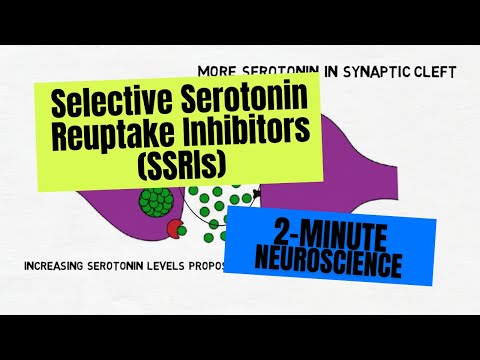
First off, paroxetine is part of a class of drugs called SSRIs (Selective Serotonin Reuptake Inhibitors). It helps increase serotonin levels in your brain. More serotonin can mean better mood and less anxiety. But because it messes with brain chemistry, it can also mess with other things in your body.
Headaches as a Side Effect
Now, when it comes to headaches, they can be a common side effect of many medications—including paroxetine. Here’s the thing: Everyone’s body reacts differently to meds. Some people might not notice anything unusual; others might feel like they’ve been hit by a truck!
- Medication Adjustment: If you’ve just started taking paroxetine or if your dosage has changed recently, your body might need time to adjust. That adjustment period could come with headaches.
- Serotonin Levels: Since paroxetine alters serotonin levels, fluctuations can sometimes lead to tension headaches or migraines for certain individuals.
- Dehydration: Some people forget to drink enough water when they’re feeling anxious or depressed—add in paroxetine, and voilà! Headaches can pop up.
Your Experience Matters
Let me tell you about my buddy Jess. When she started on paroxetine for her anxiety, she noticed these annoying headaches creeping in unexpectedly. At first, she thought maybe she’d had too much coffee or not enough sleep—common triggers for her!
After chatting with her doctor about it and doing some tweaking with her dosage—turns out she just needed that little adjustment—the headaches eased up quite a bit. It’s always worth talking to a healthcare professional if something feels off.
When To Worry
While headaches are often just an annoying side effect that might go away as your body gets used to the medication, keep an eye out for more serious symptoms:
- Persistent Pain: If you’re getting constant migraines or severe pain that’s hard to manage.
- Nausea or Vomiting: You know something’s not right if you’re throwing up along with those headaches.
- Vision Changes: Any weird changes in vision linked with the headache should definitely get checked out.
In these cases—and really anytime something doesn’t feel right—don’t hesitate to reach out to your healthcare provider.
Your Comfort Counts
Ultimately, managing side effects like headaches while on paroxetine is all about communication and patience. Everyone’s medical journey is unique; what works wonders for one person may not suit another at all.
So remember: Always keep an open line of communication with your doctor and don’t shy away from sharing how you’re feeling while on any medication—even if it’s just some pesky headaches!
Understanding Paroxetine: Common Side Effects and What You Need to Know
Paroxetine is one of those medications that often pops up when someone’s dealing with anxiety or depression. It’s part of a family of drugs called SSRIs, which stands for selective serotonin reuptake inhibitors. Basically, it helps balance certain chemicals in your brain that affect mood. But, like any medication, it comes with its set of common side effects you should know about.
First off, let’s talk about some typical side effects you might experience.
- Nausea: This is pretty common when you start taking paroxetine. It can feel like that uneasy stomach feeling after eating something funky.
- Dry mouth: Imagine waking up in the morning and feeling like a desert inside your mouth. Yeah, that’s paroxetine for some people.
- Drowsiness or fatigue: You may find yourself feeling more tired than usual or have a tough time getting out of bed.
- Insomnia: On the flip side, some folks struggle to fall asleep or stay asleep at night. It’s like your mind just won’t shut off.
- Sexual side effects: Things like decreased libido or difficulty reaching orgasm are also reported by some people taking this med.
So, here’s a little story to help illustrate this. A friend of mine started on paroxetine after feeling increasingly anxious about work and life in general. At first, he felt nauseous all the time and couldn’t enjoy his favorite foods, which was frustrating! After a couple of weeks, the nausea eased up, but he found himself feeling drowsy during the day and restless at night—quite a rollercoaster!
Now, even though those side effects can be bothersome, many people find that once their body gets used to paroxetine—usually within a few weeks—the benefits start to show up big time. You might notice fewer anxious thoughts or feel less down in the dumps; sometimes it’s worth it!
That said, you should always chat with your doc if any side effect feels overwhelming or doesn’t seem to fade away. They might adjust your dosage or even suggest trying something different.
In summary, paroxetine is an effective option for many dealing with mental health struggles but comes with its share of potential side effects that can vary from person to person. Knowing what to expect helps make the journey smoother as you and your doctor find what works best for you!
Paroxetine is one of those medications that often comes up in conversations about mental health treatment. It’s one of those selective serotonin reuptake inhibitors (SSRIs). Basically, it works by helping your brain keep more serotonin around, which is sort of like a happy chemical. You might have heard about it if you or someone you know has dealt with depression, anxiety, or other related conditions.
I remember a friend who was going through a really tough patch. You know how it goes—unending anxiety, feelings of sadness that wouldn’t lift. It was hard to watch them struggle. They eventually talked to their doctor and got prescribed paroxetine. At first, it felt like nothing was changing, and honestly, that can be super frustrating! But after a few weeks, they started to notice little things—like being able to enjoy a favorite show again or not feeling that constant knot in their stomach.
Of course, medication isn’t magic. It doesn’t fix everything overnight or make problems disappear. And there are side effects too—like nausea or weight gain—which can be real downers for some folks. But for others, it really can offer a crucial lifeline when things feel impossible.
It’s essential to remember that everyone’s experience with paroxetine—or any medication for mental health—is unique. Some people might feel relief fairly quickly while others take longer to notice changes. That’s why it’s so important to work closely with your healthcare provider throughout the process.
So yeah, while paroxetine isn’t the answer for everyone, for many people battling those mental health demons, it’s been an important part of their journey toward feeling like themselves again. It just goes to show how crucial finding the right treatment plan is; what works wonders for one person might not do a thing for another. But sharing stories and experiences can help us all navigate this wild ride called life!