You know, when you’re feeling down, it can be tough to figure out just how much it’s affecting you. Like, some days feel heavier than others, right?
That’s where the Patient Health Questionnaire, or PHQ-9 for short, comes into play. It’s kind of like a little mental check-up you can do.
Think of it as a way to sort through your feelings—like a personal inventory for depression. And even though it sounds super clinical, it’s really just about getting real with yourself.
So let’s chat about what this scale is all about and how it can help you understand your mood better!
Understanding Depression: Key Scales and Tools for Measuring Mental Health
Depression can feel like a heavy fog, wrapping around you and making everything seem dull and gray. But there’s a way to measure just how deep that fog is. One popular tool used by clinicians is the **Patient Health Questionnaire (PHQ)**. It’s simple, effective, and helps both you and your healthcare provider understand your emotional landscape.
The **PHQ-9** is the most commonly used version of this questionnaire. It’s made up of nine questions that target core symptoms of depression like mood changes, sleep issues, and feelings of hopelessness. You’ll rate each question on a scale from 0 (not at all) to 3 (nearly every day). So if you’re asked about feeling down or hopeless, you pick a number based on how you’ve felt over the last two weeks.
How does this work in real life? Let’s say you’ve been feeling low for a while. You take the PHQ-9 and find out you’ve scored high. This can spark an important conversation with your therapist or doctor about what you’re experiencing. The beauty of this scale is that it gives your feelings a structure, making it easier to talk about them.
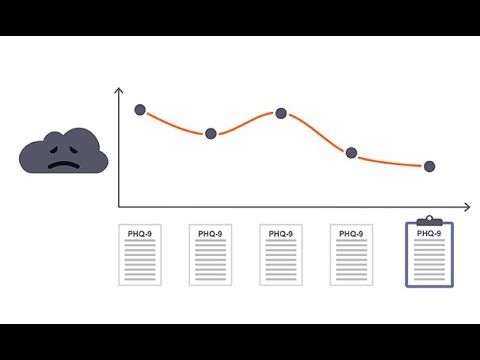
Why bother with scales like the PHQ-9? Well, they offer a snapshot of your current mental state. They can help track changes over time too—like if you’re getting better or if things are starting to slip again. Regularly using these tools means that not only do you get insights into how you’re feeling now, but also how your treatment might be working.
Another point worth mentioning is that there are other scales out there too! For instance, the Beck Depression Inventory is another well-regarded tool for gauging depression severity. It includes different questions but aims for the same goal—helping individuals articulate what they’re going through.
And let’s also touch on the importance of context: a score on one of these scales isn’t everything! It acts as an entry point for deeper discussions about your wellbeing. Factors like life events or personal history can influence how you respond, so it’s crucial to consider those with whoever you’re working with.
Taking these self-report measures isn’t meant to diagnose you alone; they’re part of a broader evaluation process where professionals combine different methods—including interviews and observations—to get the full picture about what’s going on with you mentally.
In summary, understanding depression through tools like the PHQ-9 can really help clarify where you’re at emotionally. They don’t solve problems but serve as vital stepping stones in creating an effective treatment plan together with professionals who care. So when life feels overwhelming, remember: measuring those feelings might be one small yet powerful step toward clarity and support!
Mastering the PHQ-9 Depression Scale: A Step-by-Step Guide to Understanding Your Results
The PHQ-9 is a nifty tool used to measure depression. Basically, it’s a questionnaire with nine questions that helps you reflect on your feelings over the past two weeks. If you’ve been feeling low for a while, this scale can give insights into what’s going on in your head.
What Do the Questions Cover?
Each question tackles different aspects of depression. You rate how often you’ve felt something like “little interest or pleasure in doing things” or “feeling tired or having little energy.” You answer on a scale from 0 (not at all) to 3 (nearly every day). So, those feelings you’ve been dealing with? They’re measured right here.
Scoring Your PHQ-9
Once you finish, you add up your scores. The total can range from 0 to 27. Here’s a simple breakdown of what those numbers could mean:
- 0-4: Minimal or none. That’s good! You might not need professional help.
- 5-9: Mild depression. You’re feeling some effects but still managing.
- 10-14: Moderate depression. This is where things start getting tough.
- 15-19: Moderately severe depression. If you’re at this level, reach out for support.
- 20 and above: Severe depression. This is serious, and it’s really important to get help.
Real talk? I had a friend who filled this out one day because she felt super down but didn’t know why. When she scored a 16, she realized she needed to talk to someone about her feelings—something clicked for her.
The Importance of Understanding Your Score
Knowing your score isn’t the end-all-be-all! It’s just a starting point for understanding what’s going on with you emotionally. It helps identify patterns and triggers—like if certain times of year make things tougher—or if certain life events hit hard.
Don’t forget—how you interpret these results matters too! If the numbers look high and you’re freaking out, try not to panic! Scores can change; they don’t define who you are as a person.
Pursuing Further Help
After figuring out your score, consider what comes next. Maybe it’s time for therapy or talking with someone close to you about how you’ve been feeling. Sometimes just opening up can lighten the load.
The PHQ-9 isn’t perfect; it doesn’t capture everything about who you are or how complex life feels sometimes, but it gives a solid overview of where you’re at mentally.
So seriously, if this scale resonates with you and reflects some rough spots in your life? Don’t hesitate to reach out for help or talk about it more! It takes guts to face emotional stuff head-on, but taking that step is pretty powerful too!
Understanding PHQ Scoring: How the Patient Health Questionnaire Measures Mental Health
The Patient Health Questionnaire, or PHQ, is a handy tool for measuring depression and other mental health issues. When we say «measuring,» what we mean is that it helps doctors and therapists understand how a person feels over time. It’s not just about saying, «Yeah, I feel sad sometimes.» Instead, it digs deeper into those feelings and experiences to give a clearer picture of someone’s mental health.
The PHQ typically uses a scale from 0 to 27, where each number corresponds to the severity of depression symptoms. But let’s break this down a bit. The questionnaire has nine questions, each asking about symptoms you’ve experienced in the past two weeks. You rate your experience from 0 (not at all) to 3 (nearly every day). This helps capture how you’ve been feeling lately.
Here’s how it works:
- Score of 0-4: This range usually indicates minimal depression or none at all. You might just be going through life normally.
- Score of 5-9: A mild range. This could mean you’ve got some signs of depression but it’s generally manageable.
- Score of 10-14: Moderate depression shows up here. It might be affecting your day-to-day activities.
- Score of 15-19: Now we’re talking about moderately severe depression. Life can feel pretty tough during this stage.
- Score of 20+: If you reach this high score, you’re looking at severe depression. It really impacts daily functioning.
So, why does this matter? Well, understanding your score can help identify whether you need more support or maybe even treatment. Let’s say someone scores an 18 on their PHQ – that might lead them to talk with their therapist about more serious interventions or changes in their current strategy.
There’s more! Besides just measuring current feelings, the PHQ can also be used over time. Suppose you’re seeing a therapist regularly; they might have you take the questionnaire once every few months—this way, they can track your progress and see if treatment is working.
It’s also worth mentioning that just taking the questionnaire doesn’t mean you’re officially diagnosed with anything—it’s like getting an idea of what’s going on under the surface before diving deeper into discussions with mental health professionals.
Remember: feeling low sometimes is part of being human—seriously! But if those feelings start to pile up and affect life too much, then reaching out for help is crucial. And that scoring system? It’s just one way for doctors and therapists to catch those feelings before they turn into bigger problems down the line.
In short, the PHQ isn’t a magic bullet but rather a useful tool in understanding where you are mentally at any given time—and that knowledge can empower both you and your healthcare provider as you navigate through life’s ups and downs.
You know, when it comes to understanding depression, it can feel like trying to find your way through a foggy maze. You might be feeling low, but then you wonder, “Is this just a rough patch, or is it something more?” That’s where tools like the Patient Health Questionnaire Scale come in. Seriously, it’s a useful way for both you and your healthcare provider to get a clearer picture of what’s going on.
I remember chatting with a friend, let’s call her Sarah. She was going through some tough times—lost her job, family issues, just that heavy weight of life piling up. She kept saying she was just sad. But when she filled out this questionnaire at her doctor’s office, things shifted. The questions made her think deeper about how she’d been feeling. It wasn’t just sadness; she was dealing with symptoms of depression that she hadn’t even recognized.
The PHQ-9 scale asks about various feelings and behaviors over the last two weeks—stuff like trouble sleeping or losing interest in things you usually love. It seems simple enough, yet those questions hit hard sometimes. They force you to reflect on your emotional state honestly and openly. And that can be eye-opening.
But you know what’s really cool? It’s not just about ticking boxes. This scale helps doctors gauge how severe someone’s depression might be and what steps to take next—whether that means therapy, medication, or some combination of both. It kind of feels like having a map when you’re lost; it gives direction.
Reading those questions can stir up emotions too—you might laugh at yourself for realizing you’ve been dragging your feet out of bed or frown when you see how often you’ve felt hopeless lately. It’s tough but necessary work if you want to start healing.
So yeah, measuring depression isn’t about slapping on a label or making things feel clinical; it’s more about illuminating the path ahead so that people like Sarah can find help and hope again. And that’s pretty important if you ask me!