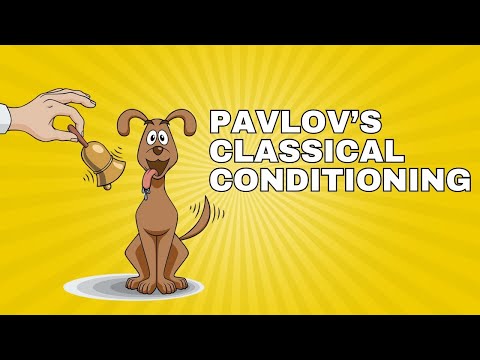
You know that feeling when your stomach growls at the sound of a microwave ding? Crazy, right? But that’s basically Pavlov’s whole jam.
This guy, Ivan Pavlov, discovered something wild about how we learn. It’s all about associations. You ring a bell, and bam! Dogs start drooling. Not just because they’re hungry, but because they’ve linked that sound to food.
So here we are, years later, still feeling the effects of his findings in our everyday lives. It’s not just dogs anymore; it’s us too!
Classical conditioning shapes how we react to stuff without even thinking about it. Ever notice how a specific song can take you back to a memory? Yup, that’s classical conditioning doing its thing.
Let’s dive into this legacy and see how it fits into modern psychology. Trust me; it’ll blow your mind just a little!
Exploring the Modern Applications of Classical Conditioning in Mental Health and Behavior Modification
Classical conditioning is one of those concepts that, once you get it, can really change the way you think about behavior and mental health. You’ve probably heard of Pavlov and his famous dogs. Basically, he taught them to salivate at the sound of a bell just because they associated it with food. That’s classic conditioning in action: creating a link between a stimulus and a response. Now, let’s talk about how this plays into mental health today.
Understanding Triggers
So, ever notice how certain smells or sounds can instantly bring back memories? That’s classical conditioning! It helps explain why some people might react strongly to specific situations or stimuli due to past experiences. For instance, someone who had a car accident might feel anxious when they hear screeching tires. This reaction isn’t just in their head; it’s like their brain is saying, “Hey! Remember that scary thing? Be careful!”
Therapeutic Approaches
In therapy settings, understanding classical conditioning can be super useful. Therapists often help clients identify these triggers. This could be done through Exposure Therapy, where someone gradually faces what scares them while learning to associate it with calmness instead of fear. For example, if someone has a fear of dogs because they were bitten as a kid, they might start by looking at pictures of dogs before eventually petting one—rewriting that association.
Habit Formation
You might not realize it, but we use classical conditioning all the time when building habits. Think about working out; if you always listen to your favorite playlist while exercising, eventually just hearing those songs could motivate you to hit the gym without even thinking about it! That’s your brain making connections based on past experiences.
Coping Mechanisms
In some cases, folks use this principle to develop better coping mechanisms for anxiety or depression too. If you consistently practice deep breathing or mindfulness during stressful moments—like before an important meeting—over time just being in that environment can trigger calmness naturally.
Application in Education
Even in educational settings, teachers apply classical conditioning techniques without even knowing it! When classroom environments are positive and welcoming consistently paired with learning activities—students become more eager to participate because their brains connect learning with good feelings.
Limitations to Consider
However—and here’s the kicker—not everything works out perfectly with classical conditioning alone. Some responses are harder to change because they’re deeply rooted or involve complex emotions like grief or trauma. You know? It isn’t always as simple as flipping a switch.
So basically, whether we’re talking therapy sessions or routines at home, classical conditioning still has its place in modern psychology. It helps us understand how we form connections between our experiences and responses—not just for humans but for pets too!
Pavlov’s Influence on Psychology: Understanding Classical Conditioning and Its Impact
Sure, let’s talk about Pavlov and classical conditioning. You know, it’s pretty interesting stuff! So, first off, Ivan Pavlov was a Russian physiologist who did some groundbreaking work in the late 19th century. He’s most famous for his experiments with dogs. Yeah, dogs!
Pavlov noticed that his dogs would salivate not just when they saw food but also when they heard the sound of a bell that he rang just before feeding them. That’s where the whole idea of **classical conditioning** comes in. The dogs learned to associate the bell with food. Pretty clever, right?
Now, here’s how it works in simple terms:
- Unconditioned Stimulus (UCS): This is something that naturally triggers a response without any learning involved—like food causing salivation.
- Unconditioned Response (UCR): The natural reaction to the UCS—like a dog salivating when it sees food.
- Conditioned Stimulus (CS): This is something neutral that becomes associated with the UCS through repeated pairing. In Pavlov’s case, it was the sound of the bell.
- Conditioned Response (CR): This is what happens after learning occurs—the dog salivating at the sound of the bell alone.
So basically, through repetition and association, behavior can change or develop over time. It’s kinda like when you hear your favorite song and suddenly feel all nostalgic because it reminds you of something special.
Pavlov’s influence on psychology stretches far beyond just dogs and bells. His work laid foundational ideas for other psychologists, especially in understanding how behaviors can be conditioned and modified.
For instance, consider phobias. Have you ever noticed how someone might develop a fear of dogs after being bitten? That person might have linked their awful experience (a UCS) with all dogs (a CS), leading to a conditioned response of fear every time they see one—even if it’s just a friendly pup!
This idea also resonates deeply in therapy today. For example, **exposure therapy**, often used for treating anxiety disorders or phobias, utilizes principles from classical conditioning by gradually exposing individuals to their fears while teaching them coping strategies.
Also interesting is how classical conditioning has found its way into marketing strategies. Brands often associate their products with positive feelings or experiences—think catchy jingles or cute mascots—that become conditioned stimuli over time.
So yeah, Pavlov really left an imprint on psychology! His simple yet powerful ideas help us understand everything from behavior modification to therapeutic practices today. You follow me? Basically, he showed us that our environments shape our reactions—not just for dogs but for humans too! Pretty cool stuff if you ask me!
Exploring the Impact of Pavlov’s Classical Conditioning on Early 20th Century Psychology
Pavlov’s work on classical conditioning is like the OG of psychology. Seriously, it set the stage for how we understand behavior, and it’s all about learning through association. You know, it’s that thing where you start to link one stimulus with another until they’re practically best friends in your brain.
So, let’s break this down a bit. Classical conditioning involves pairing a neutral stimulus with an unconditioned stimulus to create a conditioned response. Think about Pavlov’s dogs. He rang a bell when he fed them. Eventually, just ringing that bell would get them drooling. That’s classic!
In the early 20th century, this idea was revolutionary. Psychologists were starting to ditch introspection – you know, that whole looking inward thing – in favor of observable behavior. They wanted to study what they could see: actions and reactions.
Here’s why this matters:
- Behaviorism: Pavlov’s findings helped launch behaviorism as a major school of thought in psychology. People like John B. Watson took it and ran with it.
- Focus on Environment: The emphasis shifted to environmental influences on behavior rather than internal thoughts and feelings.
- Treatment Techniques: Classical conditioning laid the groundwork for various therapeutic techniques—like systematic desensitization—used to treat fears and phobias.
- Learning Theories: It also influenced many learning theories used in education today; basically helping educators understand how to shape student behaviors.
All these ideas set off a chain reaction in the field of psychology. It made folks curious about how much of our behavior is learned versus innate, which is still up for debate today.
Here’s an emotional touchpoint: imagine someone who has a fear of dogs because they were bitten as a kid—that bite was the unconditioned stimulus that linked dogs (the neutral stimulus) with fear (the conditioned response). This stuff has real-world consequences, right? Understanding conditioning helps therapists break those cycles.
As classical conditioning morphed into something bigger throughout the century, psychologists realized people weren’t just reacting machines; they had emotions and thoughts too! But without Pavlov’s initial steps into behavioral science, who knows how psychology would have evolved?
In modern psychology today, although we’re more holistic now—including thoughts and feelings along with behaviors—the impact of classical conditioning remains essential knowledge for anyone diving into human interactions or treatment methods.
So there you have it! Pavlov’s classical conditioning isn’t just some dusty relic from history; it’s still shaping how we think about minds today! Pretty cool legacy if you ask me!
You know, when you hear Pavlov’s name, it’s hard not to think of those famous dogs. I mean, who could forget the image of him ringing a bell and those pups salivating like they were just served a five-star meal? It’s such a simple experiment really, but it opened up this huge can of worms in psychology.
Classical conditioning is all about learning through association. You associate one thing with another, and bam! You react in a certain way without even thinking about it. Yeah, Pavlov started out studying digestion in dogs and ended up paving the way for so much more than just canine behavior. Like, have you ever felt your stomach rumble at the sound of popcorn being made? That’s classical conditioning at work.
Think about how this plays out in real life. Ever had a tune that brings back memories? Maybe an old song from high school reminds you of that summer romance or hanging out with friends? Your brain has connected the dots between that melody and those feelings, thanks to experiences you’ve had. Isn’t it wild how something as simple as music can trigger emotions tied to specific moments?
And then there’s therapy. Therapists often use principles of classical conditioning when they work with clients dealing with anxiety or phobias. They might expose someone gradually to what they’re afraid of—like spiders or heights—while helping them learn new associations that aren’t scary. Over time, they can rewire how the brain responds to those triggers, which is pretty powerful if you think about it.
Of course, there are also some darker sides to this legacy, especially when we look at marketing and social media today. Companies know exactly how to get us hooked by associating their products with positive feelings—like happiness or success—without us even realizing it sometimes. It’s kind of sneaky when you think about it!
So yeah, Pavlov’s legacy isn’t just a relic from the past; it’s absolutely woven into modern psychology and even our daily lives in ways we might not always notice. From little memories stirred by familiar sounds to overcoming fears in therapy sessions, he gave us a peek into how our brains connect dots—and that’s something I think we still rely on every day!