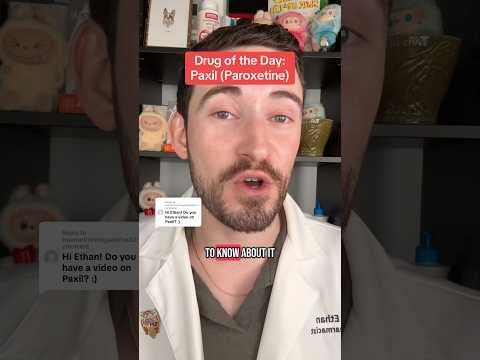
Hey, so let’s chat about Paxil CR for a sec. You know, this medication that a lot of people take to help with anxiety and depression? It can be a game changer for some, but it’s not all sunshine and rainbows.
I mean, I have a friend who started taking it and felt amazing at first. But then, out of nowhere, she started experiencing these weird side effects. It kind of shook her up!
So, what’s the scoop on Paxil CR? Yeah, it can help lift you up when you’re feeling low. But those side effects? They can mess with you—mentally and emotionally. Let’s break it down together!
Exploring the Link Between Paxil and Cognitive Issues: What You Need to Know
Paxil, known generically as Paroxetine, is a medication primarily used to treat depression and anxiety disorders. While it can be pretty effective for many people, some folks have reported experiencing cognitive issues while on Paxil. So, what’s the link here? Let’s break it down.
When you take Paxil, it works by increasing the levels of serotonin in your brain. This sounds good, right? More serotonin can help lift your mood! But here’s where it gets a bit tricky: some studies suggest that altering serotonin levels can sometimes mess with other cognitive functions.
You might be wondering what I mean by cognitive issues. Well, these can include:
- Memory Problems: Some people find it hard to concentrate or remember things.
- Confusion: You may feel a bit foggy or disoriented.
- Slowed Thinking: Tasks that used to seem easy might take longer.
For example, I once chatted with a friend who was on Paxil. She described feeling like her thoughts were stuck in molasses. She’d have this great idea, but by the time she grabbed her notebook to write it down, the idea was gone!
It’s crucial to understand that not everyone experiences these side effects. Research estimates that around 1 in 10 people might report some level of cognitive impairment while taking Paxil. For others? They sail through without a hitch.
If you’re concerned about these potential side effects, it’s always good to talk with your doc or therapist about your experiences. They might adjust your dose or suggest alternative treatments if needed. The thing is: mental health is super personal! What works well for one person might not be right for another.
So, basically—if you’re on Paxil and noticing changes in how you think and feel mentally, don’t brush it aside. It’s worth discussing with someone who knows your history and concerns. Remember, medication reactions vary widely; finding the right fit can be a journey!
Understanding Paxil: Can It Lead to Mood Swings?
So, let’s talk about Paxil. It’s a medication that falls under the category of SSRIs, or selective serotonin reuptake inhibitors. Basically, what these meds do is help boost the levels of serotonin in your brain, which can improve mood and help with anxiety and depression. Sounds good, right? But here’s the thing: some folks have reported experiencing mood swings while taking it.
You see, it’s not uncommon for medications like Paxil to affect people differently. Some might find that their mood stabilizes and improves over time. Others could end up feeling more moody or irritable than they did before starting the medication. It’s like opening a mystery box—you never know what you might get.
Here are a few factors that could contribute to this:
- Initial Side Effects: When you first start taking Paxil, your body is adjusting to its effects. This adjustment period can sometimes lead to feelings of agitation or emotional ups and downs.
- Dose Changes: If the doctor tweaks your dosage—up or down—that can also cause fluctuations in how you feel emotionally.
- Discontinuation Syndrome: If you miss a dose or stop taking Paxil suddenly, withdrawal symptoms can occur. This might include mood swings, anxiety, or irritability.
- Interactions with Other Medications: If you’re on other medications alongside Paxil, those interactions could lead to unexpected emotional changes too.
I remember talking to a friend who had been on Paxil for a while. At first, she felt really great; her anxiety was under control! But then out of nowhere, she started having these crazy mood swings—like one minute she was happy and cheerful and the next she was tearing up at commercials! It took her some time to figure out that it was linked to her meds; once she connected the dots with her doctor, they adjusted her dosage and things got much better for her.
Of course, everyone’s body is different. Some people may experience these mood swings intensely while others barely notice them—or maybe not at all! If you’re concerned about how Paxil is affecting your emotions—whether it be ups or downs—just know it’s super important to have an open conversation with your healthcare provider about it. They’re there to help you navigate through these feelings.
Paxil has its benefits but also potential side effects like any other medication. Remember that managing mental health is often about finding what works best for YOU!
Exploring the Most Concerning Side Effects of Paxil: What You Need to Know
Paxil, or paroxetine, is a type of medication used to treat conditions like depression, anxiety disorders, and OCD. It’s part of a family called SSRIs, which means it works by balancing certain chemicals in your brain. Sounds good so far, right? But like any medication, it comes with its own set of side effects that can be concerning. Let’s break down what you need to think about.
First off, some folks might experience sexual side effects. This could mean difficulties with arousal or achieving orgasm. Imagine being excited for a date but then feeling let down afterward. It can create tension in relationships and make you feel frustrated.
Then there’s the issue of weight gain. While some people say they haven’t gained any weight on Paxil, others have reported noticeable changes. It’s like you’re trying to balance your mood with your body and sometimes it feels like an uphill battle.
Another thing to watch for is emotional numbness. Some users mention feeling less connected to their feelings or even to the people around them. Picture watching your favorite movie but not really feeling excited or sad—just kind of there. This can really impact how you relate to others in your life.
Now let’s touch on withdrawal symptoms. If you decide to stop taking Paxil suddenly, you might face some rough patches like anxiety spikes, dizziness, or flu-like feelings. It’s essential to talk to a healthcare provider before making changes; nobody wants their mental health journey to turn rocky unexpectedly.
Finally, there are rare but serious side effects like serotonin syndrome, which occurs when there’s too much serotonin in the brain. This could lead to symptoms like confusion, hallucinations, rapid heart rate, and even muscle spasms—definitely not something anyone wants!
In short, while Paxil can help many people find relief from their symptoms, be aware of these potential side effects. Speak openly with your doctor about any concerns along the way—you deserve support that matches what you’re going through! Always remember that every individual responds differently to medications; it’s all about what works best for you personally.
Alright, let’s chat about Paxil CR. It’s a medication that some folks take for anxiety or depression. It can work wonders for many people, but like anything else, it comes with its own baggage.
Picture this: you’re feeling low and anxious, and your doc says Paxil could help. You start taking it, and suddenly, you’re not crying over every little thing anymore. Awesome, right? But then there are these side effects that creep in, like unexpected party crashers at a gathering.
Some people report feeling dizzy or nauseous; others notice their sleep patterns go haywire. And let’s not forget the emotional rollercoaster—sometimes it can even dampen your feelings altogether. Like, you might feel emotionally flat, not quite sad but also definitely not happy. That can really mess with your head! Imagine enjoying a day out but feeling kinda… nothing? It’s wild how something that’s supposed to help can also take away some of those joyful moments.
The psychological impact is kind of complicated too. If you’re trading an uptick in anxiety for a side effect that makes you feel emotionally numb or disconnected from friends and family—it can really take a toll on your relationships. You might find yourself withdrawing more because it feels easier than trying to explain what you’re going through.
And here’s the thing: some people feel ashamed talking about these side effects because there’s this misconception that if you’re taking medication, you should be all good. When they experience mood swings or fatigue instead of relief, it can feel isolating.
So yeah, while Paxil CR helps many people find some balance in their lives, it’s super important to talk about these side effects openly—with your doctor or someone who gets it. Sharing those experiences can be so freeing; it’s like lifting a weight off your chest. Ultimately, navigating mental health is all about finding what truly works for you—and being aware of all the bumps along the way!