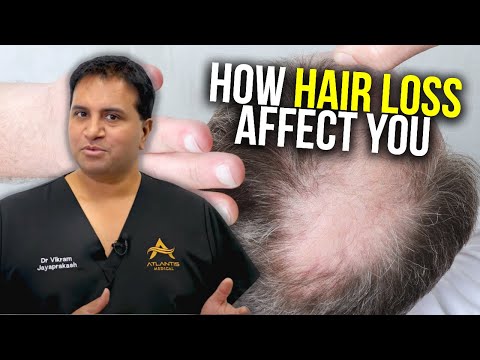
You know, it’s wild how our minds and bodies are linked. Like, you think you’re just dealing with some anxiety or depression, and then, boom! Hair starts falling out. Seriously.
Paxil is one of those meds people take for mental health stuff. But it comes with a side effect that not everyone talks about: hair loss.
So what gives? How does something meant to help can also make your hair thinning situation even worse? Let’s explore this a bit. You might be surprised by the connection!
Effective Strategies to Prevent Hair Loss Induced by Antidepressants
Alright, let’s talk about something that might not get enough attention: hair loss related to antidepressants like Paxil. It’s a bummer when you feel like you’re finally getting your mental health on track but then start noticing more hair in the shower drain. So, let’s dig into some ways to tackle this.
First off, it’s essential to understand that while antidepressants can be lifesavers for some, they can also come with side effects—like hair loss. This isn’t super common, but it does happen to some folks. The thing is, it often comes down to how your body reacts to the medication.
Switching Medications might be one of the first things you discuss with your doctor. If you’re losing hair while on Paxil and it really bugs you, they might suggest trying something else. Not every antidepressant causes this side effect—you could find one that works for your mood without messing with your mane.
Another approach is supplementing with vitamins. Some studies suggest that biotin and vitamin D can help promote hair growth. They aren’t a magic wand, but giving your body the nutrients it craves can sometimes make a difference.
Also, consider stress management techniques. Stress can contribute to hair loss all on its own! Practices like meditation or yoga can help keep both your mind and scalp healthy. You know how sometimes just taking a moment for yourself can make everything seem a bit easier? Yeah, that applies here too.
Don’t forget about talking openly with your therapist or mental health professional about these concerns. You’d be surprised how many people feel self-conscious about their hair loss, but hiding it just makes things harder. Sharing those feelings can lighten the load—plus they might have recommendations for dealing with both the emotional and physical aspects of what you’re facing.
Another option is topical treatments. Products containing minoxidil have been shown to promote hair growth for some people experiencing androgenetic alopecia or other types of hair loss. Keep in mind these aren’t specifically designed for antidepressant-induced fallout, but they could still help if you’re looking for something extra.
Lastly, evaluating overall health practices plays a role too. Eating well and staying hydrated are key factors in keeping not only your mood up but also promoting healthy hair growth! Think of it as nurturing yourself from within—healthy habits lead to healthy hair.
In summary, losing hair due to meds can feel frustrating and disheartening. But remember: you’re not alone in this struggle—it’s okay to seek out help or alternatives that address both personal wellbeing and those pesky side effects. Having an open dialogue with healthcare professionals is vital; they want what’s best for you!
Exploring the Connection: Does Paxil Lead to Hair Loss?
Well, let’s chat about Paxil and the whole hair loss thing. You know, Paxil is a popular antidepressant that falls under the category of selective serotonin reuptake inhibitors (SSRIs). It’s mainly used to treat things like depression, anxiety, and panic disorder. But there are always those little side effects that we gotta think about, right?
When it comes to hair loss, it’s definitely a topic of interest for many people taking Paxil. Some folks have reported losing hair while on this medication. But here’s the kicker—it’s not super common. The connection between Paxil and hair loss isn’t fully understood yet.
- What Research Says: There have been some studies and reports suggesting a possible link between SSRIs like Paxil and hair loss. However, these findings aren’t entirely conclusive. Some people might experience thinning hair as a side effect, but others don’t notice any changes at all.
- The Mechanism Behind It: So, what could be going on? One theory is that changes in serotonin levels might affect the hair growth cycle. You see, our bodies have complex systems where hormones play a big role in how our hair grows and falls out.
- Individual Responses Matter: Now here’s something important—everyone reacts differently to medications. Some find that their mental health improves without much fuss at all; others may experience side effects like mood swings or sleep disturbances along with those pesky hairs falling out.
It’s also worth mentioning stress can cause hair loss too! Like when you’re dealing with anxiety or depression in the first place—stress creates a lovely environment for hair issues to pop up.
Anecdotally speaking, I remember talking to someone who started taking Paxil after having persistent anxiety problems. They noticed some shedding after a few months on it but weren’t sure if it was due to the medication or just life’s stressors hitting hard at that time. That can really make it tricky to pin down what’s causing what!
Lastly, if you’re worried about losing your hair while on Paxil or any other med, don’t hesitate to chat with your doctor about it! They can provide you with personalized advice or possibly suggest alternatives if necessary.
So yeah, while there might be some link between Paxil and hair loss, it’s pretty variable from person to person—and sometimes the stress of what you’re dealing with plays just as big a part!
Understanding Hair Loss Associated with Mirtazapine: Prevalence and Insights
Hair loss can be a pretty tough topic to tackle. If you’re taking mirtazapine, a medication often prescribed for depression and anxiety, you might wonder whether it could be linked to your thinning hair. So let’s break this down, shall we?
First off, mirtazapine is an antidepressant that works by balancing certain chemicals in the brain. It’s known to help with mood and sleep but can come with a few side effects. One such side effect that some people notice is hair loss. Not everyone experiences this, but it’s worth knowing about.
When it comes to how common this issue is, studies suggest that hair loss may occur in a small percentage of users. It varies from person to person. Some might see a little thinning, while others could notice more significant changes. That said, specific numbers are tricky to pin down because individual experiences can differ so much.
So let’s talk about why mirtazapine might cause hair loss. The exact reason isn’t fully understood yet, but several theories exist:
- Hormonal Changes: Sometimes medications mess with your hormones, which can affect how your hair grows.
- Nutritional Deficiencies: If you’re feeling low or anxious and not eating well, lack of nutrients might contribute.
- Stress and Anxiety: The psychological factors related to mental health issues themselves can also lead to hair loss.
Here’s where things get personal: I remember my friend Sarah who struggled with anxiety and was prescribed mirtazapine. She had thick hair her whole life. After she started the medication, she noticed her hair was breaking more easily and thinned out quite a bit over time. It really bothered her; for many of us, our hair can feel like a part of our identity.
If you’re concerned about hair loss while on mirtazapine—or any other medication—don’t hesitate to chat with your doctor or therapist about it! They might have suggestions or alternatives that could work better for you.
It’s also essential to remember that stopping medication without professional guidance is not recommended! Your mental health is super important too, so finding balance here is key.
Sometimes switching medications or adding supplements (like biotin) can help mitigate these effects—again, always talk it out first before making changes.
In the end, everyone reacts differently to medications like mirtazapine. Being informed allows you to make better choices for yourself while navigating your mental health journey. Taking care of your body and mind matters way more than just having great hair!
You know, it’s funny how we think of medications as just little pills that fix things. But when you start digging deeper, like with Paxil for instance, you realize there’s more going on. Paxil, which is a pretty common antidepressant, can help a lot of folks manage anxiety and depression. But then there’s this whole side effect thing that sometimes people really don’t expect—like hair loss.
I remember my friend Sarah who was dealing with some serious anxiety issues. She started taking Paxil and felt a weight lift off her shoulders almost immediately. She was all smiles again, but after a few months, she noticed her hair thinning. It was such a shock to her! One day she looked in the mirror and saw way more hair in the drain than usual. That can really mess with your head.
So there she was—feeling better mentally but also freaking out about her hair! It posed this weird psychological dilemma: how do you balance feeling emotionally stable while grappling with something that feels like an attack on your self-image? I mean, isn’t our hair tied to how we see ourselves? For Sarah, it became this little mental tug-of-war.
It’s interesting because losing hair can hit hard from both an emotional and psychological standpoint. There’s the physical aspect of watching something change about yourself—and let’s be real; our society often puts so much emphasis on looks and appearances. Then there’s the frustration of managing those feelings while trying to embrace the positives of finally feeling less anxious or depressed.
So yeah, Paxil helps many people feel more themselves again—which is amazing—but it also reminds us that mental health is intertwined with our physical selves in ways we might not always think about. If you’ve ever been on medication or know someone who has faced similar struggles with side effects, I guess what I’m saying is it’s crucial to find that balance and talk openly about these experiences.
When Sarah finally brought up her concerns to her doctor, they had a heart-to-heart about it all. And honestly? That made such a difference for her—just feeling heard and understood helped ease that inner conflict about how she felt versus how she looked.
We really need to recognize these layers when it comes to mental health treatments because every story is unique!