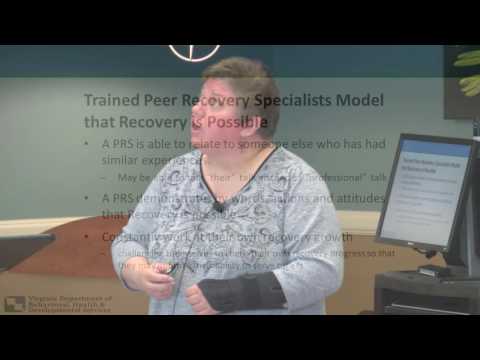
Hey! So, you know how everyone has their struggles? Well, some folks have found a way to turn their experiences into something super powerful. Yup, I’m talking about becoming a Peer Recovery Specialist.
Basically, it’s all about helping others on their journey to recovery. And guess what? There are training opportunities popping up all over the place!
Imagine being that person who understands what someone else is going through. It’s like having a friend who’s been there and can say, “You got this!” Sounds great, right?
In this article, we’ll explore some of those training options near you. Who knows? It might be the nudge you need to step into this awesome role!
Discover Free Peer Support Training Opportunities: Who’s Offering Support in Mental Health?
Finding peer support training opportunities can feel like hunting for a needle in a haystack, but it’s totally worth it. These programs can help you become a Peer Recovery Specialist, which is all about using your personal experiences to support others going through tough times with mental health challenges or substance use issues.
Who’s offering support? Plenty of organizations and local programs provide free training. Here are some you might want to check out:
- NAMI (National Alliance on Mental Illness): They offer community-based programs that focus on supporting individuals dealing with mental health conditions. Their training typically covers mental health awareness and how to be an effective peer supporter.
- Mental Health America: This organization provides various resources and sometimes hosts workshops or courses that could lead to peer support certification.
- Local Health Departments: Many states have their own programs specifically tailored to mental health recovery. For example, your local department of mental health might have free training sessions or workshops.
- Your Community College: Some community colleges offer courses on peer support and recovery coaching. It’s worth looking into their continuing education departments for offerings.
- Online Training Platforms: Websites like Coursera or Udemy occasionally host free courses related to peer support and mental health, making it easy to learn at your own pace from home.
When I was exploring these options, I stumbled across a flyer for a local workshop at a coffee shop in my neighborhood. It felt casual but really meaningful; people were sharing their stories over lattes! There was something so powerful about being in a room full of folks who understood what I’d been through.
But here’s the thing: the requirements for getting into these programs can vary widely. Some might require previous experience in mental health or addiction services, while others may only need your passion for helping others.
What can you expect from these trainings? Generally speaking, they cover topics like active listening, the fundamentals of recovery-oriented practices, crisis intervention skills, and trauma-informed care. You’ll get practical tools that not only prepare you for supporting others but also help deepen your understanding of your own journey.
Another cool thing? After completing this kind of training, you could actually find work as a Peer Recovery Specialist in various settings—like hospitals, rehabilitation centers, or even nonprofits focused on mental wellness.
So if you’re leaning toward this path—or know someone else who might be interested—take the plunge! Those free opportunities are out there waiting for people like you who want to make a difference in the world of mental health. Keep an eye open; sometimes the best things pop up when you least expect them!
Steps to Becoming a Peer Recovery Specialist Trainer: A Comprehensive Guide
Becoming a Peer Recovery Specialist Trainer can be a fulfilling journey for anyone passionate about helping others. If you’ve been through recovery yourself or have a strong desire to support those on the path, then this might resonate with you. Here’s a breakdown of steps that can help you get there.
Step 1: Understanding the Role
To start, let’s clarify what a Peer Recovery Specialist (PRS) does. Essentially, they provide guidance and support to individuals in recovery from substance use or mental health issues. They use their own experiences to connect and inspire hope. You should ask yourself if this feels like something you want to pursue – it could be a game changer for someone who’s struggling.
Step 2: Obtain Relevant Experience
Before you train others, it’s crucial to have some solid experience under your belt. This usually means being in recovery yourself for a certain period. Many organizations look for at least two years of personal experience with recovery and the process of staying well.
Step 3: Look for Training Programs
Next up, find training opportunities available in your area. Organizations such as SAMHSA often list programs where you can get certified as a Peer Recovery Specialist. Check your local health departments or community organizations too; they sometimes offer valuable workshops and resources.
- Contact local mental health agencies.
- Search online for community colleges that might offer related courses.
- Explore nonprofit organizations dedicated to recovery—they often have extensive training tracks.
Step 4: Getting Certified
Once you’ve found a suitable program, you’ll need to complete the required training hours, which can vary by state but usually range between 40-80 hours. This is where you’ll learn essential skills—like communication techniques and how to facilitate peer support groups.
Step 5: Gain Supervised Experience
After certification, it’s time to gain practical experience by working under supervision in a peer role. This is super important—real-world practice will help refine your skills and boost your confidence when you’re ready to teach others.
Step 6: Learn About Adult Learning Principles
Here’s the thing: not everyone learns the same way! Being an effective trainer means understanding how adults learn best, which can include hands-on activities and group discussions rather than lectures alone. Familiarize yourself with various teaching methods; it’ll make your training much more engaging!
Step 7: Start Training
Finally, once you’ve honed both your skills and knowledge base, it’s time to take on the trainer role! Develop your own training modules based on the curriculum guidelines or adapt what you’ve learned in previous trainings.
Being open about your own experiences helps create trust among trainees; remember—your journey can inspire them too!
In short, becoming a Peer Recovery Specialist Trainer isn’t just about checking off boxes—it’s about developing genuine connections and sharing knowledge that can lead someone out of darkness into light. If this resonates with you even just a little bit, dive deeper into it! You never know whose life could change because of your efforts.
Essential Skills for Aspiring Peer Recovery Specialists: A Comprehensive Guide
Being a peer recovery specialist is a pretty incredible role. You’re basically helping people navigate their way through tough times, using your own experiences to guide them. But, you know, it takes more than just having gone through something yourself to really make an impact. Here’s what you need to know about the essential skills if you’re thinking of jumping into this field.
Active Listening is huge. This isn’t just hearing what someone says; it’s about being fully present and understanding their feelings without judgement. Let’s say someone shares their struggles with addiction; you’d want to listen closely rather than jumping in with your own story too quickly. People appreciate when they feel heard.
Next up is Empathy. This means putting yourself in someone else’s shoes—like when a friend tells you about a tough breakup and you genuinely feel for them. It’s important in recovery because folks might be dealing with shame or guilt and want to feel accepted for who they are right now.
Then there’s Communication Skills. You’ll need to explain things clearly, sometimes even breaking down complex ideas into simple terms. Like, if someone doesn’t understand what “triggers” are, you could say, “It’s like when something makes you want to go back to old habits.” This clarity builds trust.
A big one is Boundary Setting. It can be tricky because while you want to help others, it’s essential not to get overly involved in their personal lives. Think of it like how you’d support a friend going through a hard time without sacrificing your own mental health—balance is key here.
Don’t forget about Cultural Competence. Different backgrounds bring different challenges and perspectives. Being aware of this helps create a safe space where everyone feels comfortable sharing their experiences. For example, knowing about someone’s cultural context can change the way they view recovery and support systems.
Oh! And Problem-Solving Skills definitely come into play too. Sometimes people get stuck on what steps to take next in their recovery journey. Helping them brainstorm options can be super empowering! It’s like playing chess—you help them see the board from different angles so they can make strategic moves.
Another vital aspect is Self-Care Awareness. Seriously, working as a peer recovery specialist can be emotionally draining. You’ve got to practice what you preach by making sure you’re taking care of your own mental health too—whether that means taking breaks or chatting with your own support system when needed.
Lastly, have some basics down on Resources Available. Knowing local support groups or community services can be lifesaving for those you’re helping—like giving someone directions who’s lost in a big city.
These skills not only shape how effective you’ll be as a peer recovery specialist but also ensure you’re creating positive change while keeping yourself grounded along the way! If you’re considering training opportunities in your area, many programs will cover these fundamentals in depth, helping shape those skills into real-world applications that matter.
You know, it’s pretty amazing how much the conversation around mental health has evolved. I mean, there was a time when talking about recovery or seeking help was, like, super stigmatized. But now? There’s this growing movement towards peer support that really warms my heart.
So, peer recovery specialists are basically folks who’ve been through their own struggles with addiction or mental health issues. They’re not therapists per se but more like guides who use their lived experience to help others navigate their own recovery journeys. It’s pretty powerful stuff. You get someone who really knows what you’re feeling—someone who’s been in the trenches.
I was chatting with a friend recently who went through a peer recovery specialist training program in our area. She said it was eye-opening! Like, not only did she learn valuable skills to support others, but she also deepened her understanding of her own journey. It’s wild how teaching often helps you learn even more about yourself, right?
And here’s the thing: these training opportunities are popping up more and more everywhere! Local community centers, treatment facilities—some even offer online options if you can’t make it in-person. It’s like there’s a quiet revolution happening that says, “Hey! Your story matters and can inspire change!” And I think that’s just so hopeful.
So if you’re out there feeling stuck or looking for purpose after your own experiences with mental health or addiction, checking out a peer recovery specialist program could seriously be life-changing. You might not become a specialist overnight—or maybe you will—but either way, it’s about connecting with others and rebuilding community support.
Honestly, whether you decide to jump into that role or just explore it for the sake of personal growth, it feels like such an enriching path to take. You’re not just helping someone else; you’re also finding your place in this crazy puzzle we call life. And let’s be real: we all need that kind of connection and understanding these days.