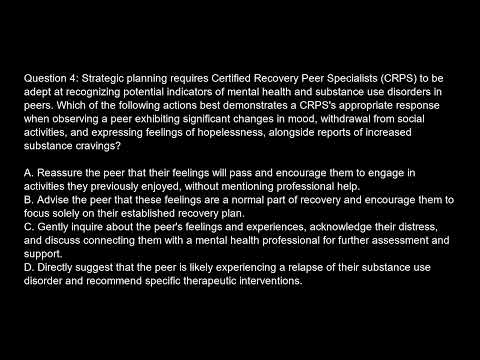
So, let’s chat about something pretty cool—peer support certification for mental health pros. It’s like adding a special tool to your toolbox, right? You know how sometimes we just need someone who «gets it»?
That’s what peer support is all about. It’s not just about professionals dishing out advice. It’s about real connection, shared experiences, and understanding those messy feelings we all go through.
Imagine being that person who can walk alongside someone else on their journey. How awesome would that be?! It’s totally game-changing for both sides. You get to help others while also learning more about yourself in the process.
Seriously, it’s worth diving into. Let’s explore why this certification matters and how it can transform not just your practice but also the lives of those you support. Ready to dig deeper?
Unlocking Opportunities: Peer Support Specialist Certification in Oklahoma
The idea behind Peer Support Specialist Certification in Oklahoma is all about using lived experience to help others. It’s like having a buddy who understands exactly what you’re going through; someone who can relate and guide you through tough times in a way that just feels more real.
To kick things off, let’s break down what a Peer Support Specialist (PSS) actually does. Peer Support Specialists use their personal experiences with mental health challenges to support others who are on similar journeys. They’ve been there, done that, and come out the other side, which means they can offer hope and practical advice based on their own lives.
Now, if you’re thinking about getting certified in Oklahoma, here’s the scoop:
- Eligibility: You need to have personal experience with mental health issues and ideally some time in recovery or managing those challenges.
- Training: You’ll go through specific training programs that cover things like effective communication skills, crisis intervention techniques, and how to foster a supportive environment.
- Certification Process: After completing the training, you’ll take an exam that tests your knowledge of the material.
But wait! This isn’t just about learning facts and figures. The real magic happens when you start connecting with people. Let’s say you once struggled with anxiety. When someone comes to you feeling overwhelmed and hopeless, your firsthand experience allows you to share what worked for you—and what didn’t—creating a bond that’s hard to replicate in traditional therapeutic settings.
Moreover, peer support isn’t limited to one-on-one interactions; it can happen in groups too! Imagine facilitating a support group where everyone shares their stories. You might find everyone laughing or crying together over similar struggles. That sense of community? Priceless.
Let’s talk about why this certification is important not just for you but also for the mental health landscape in Oklahoma. Certified Peer Support Specialists help fill gaps in care by providing emotional support and practical guidance when professional therapy isn’t available or accessible. They play an integral role in making mental health care more approachable.
Finally, it’s worth noting that many organizations recognize this certification as valuable—and some even require it for certain positions within community mental health services. So on top of helping others, getting certified could open new doors for your own career.
In short, becoming a Peer Support Specialist is all about making connections through shared experiences while gaining the skills needed to help others navigate their paths toward healing. If it sounds like something you’re passionate about—go for it! You never know how much difference your story could make.
Unlock Your Potential: Free Online Training for Peer Support Specialists in Mental Health
So, let’s chat about the idea of peer support specialists in mental health and this cool opportunity for free online training. Seriously, it’s a big deal! Peer support is all about folks with lived experiences helping others navigate their own mental health journeys. And who better to provide that support than someone who’s been through similar stuff, right?
When you think about it, having someone who truly understands what you’re going through can make a world of difference. Imagine sitting down with someone who’s faced those dark times and has come out on the other side. That shared experience creates a unique bond.
Now, onto the training part. Many organizations are offering free online training programs specifically designed for peer support specialists. This kind of training usually covers several key areas:
- The Basics of Mental Health: You’ll learn about different mental health conditions, like depression or anxiety, and how they affect people.
- Effective Communication Skills: It’s not just about talking; it’s also about listening. You’ll pick up techniques to better connect with those you’re supporting.
- Crisis Management: Sometimes things can get really intense. Training will prepare you to handle crisis situations calmly and effectively.
- Building Trust: Trust is huge in peer support! You’ll discover how to create safe spaces where people feel comfortable sharing their stories.
- Self-Care Strategies: Preventing burnout is crucial in this field. You’ll learn how to take care of your own mental wellness while helping others.
One important aspect of being a peer support specialist is the idea of certification. While certifications can vary by state or organization, they generally show that you have completed adequate training and understand key concepts needed to provide effective support.
Now here’s an interesting thought—what if you’re considering this path? Maybe you’ve struggled with your own mental health or helped friends through tough times. The fact that you’ve experienced challenges could help others feel less alone.
Take Sarah, for instance. She struggled with anxiety throughout her teens but found immense relief through therapy and connecting with peers who understood her struggles. After getting certified as a peer support specialist, she started volunteering at a local community center. She shares her story openly, allowing others to see that recovery is possible.
So really, if this resonates with you in any way—think about looking into these free online trainings for peer support specialists! It’s an awesome way to turn personal experiences into something positive for yourself and your community.
The bottom line? By unlocking your potential through these programs, not only do you get valuable skills but also get the chance to play an essential role in someone else’s healing journey. And isn’t that just incredible?
Get Certified as a Peer Support Specialist Online: Empower Your Mental Health Journey
Becoming a Peer Support Specialist can be a game-changer for your mental health journey, and doing it online adds that extra layer of convenience. It’s basically about harnessing your experiences with mental health challenges to help others navigate their own paths. You know, it’s like having a buddy who really gets it, because they’ve been there too.
So, what’s the deal with peer support? Well, peer support specialists are trained individuals who use their personal experiences to guide and motivate people facing similar struggles. Think about those tough days when you just needed someone to say, «Hey, I totally understand!» That’s where these specialists shine.
To get certified online as a peer support specialist, you usually need to complete an accredited training program. These programs can vary quite a bit but generally cover the following areas:
- Understanding Mental Health: This includes learning about various mental health conditions and how they impact daily life.
- Effective Communication: Being a good listener is key. You’ll learn skills that help you connect with others authentically.
- Self-Care Strategies: It’s important to know how to take care of yourself while helping others. This training focuses on managing your own mental well-being.
- Crisis Management: Sometimes things get real intense, and knowing how to handle those situations is crucial.
Taking classes online has its perks—it allows for flexibility in scheduling while still providing quality education. You can often work at your own pace and revisit materials when you need a refresher. Plus, learning from home can feel more comfortable since you’re in a place where you feel safe.
Once you’ve completed your training (yay!), you’ll typically need to pass an exam or submit some sort of assessment. After that, certification opens up new doors for you—like job opportunities in community organizations or even freelance roles where you’re helping others directly.
Now, let’s talk about why this matters. A lot of folks may not realize how deeply impactful peer support can be. A friend of mine once shared her story about struggling with anxiety for years. She felt isolated until she connected with someone who had lived through something similar. That simple conversation made her realize she wasn’t alone and actually helped her find the courage to seek professional help.
And the good news? Many states now recognize peer support specialists as vital members of the mental health care team. This means more resources are becoming available for training and employment opportunities—making it all even more accessible.
In short, getting certified as a peer support specialist online not only empowers you but also helps create a community of understanding among those dealing with similar issues. It’s all about sharing strength and building connections that matter in the journey toward better mental health!
Peer support certification for mental health professionals? That’s a pretty interesting topic, I’d say. It’s like having a buddy system but, like, on a professional level. You know? Being in the mental health field can be super overwhelming sometimes. I mean, let’s face it—it’s heavy stuff. So having someone who really gets it makes a difference.
I remember this one time when I was chatting with a friend who was also in training to be a therapist. She talked about feeling kind of isolated during her program. It wasn’t just the workload; it was the emotional toll of hearing so many tough stories from clients. But then she found this peer support network within her school—and wow, did it change things! Just sharing experiences with others going through similar struggles lifted her spirits and gave her some fresh perspectives.
Now, the idea behind getting certified in peer support is that it’s about training people to help each other out in a structured way. These certifications can teach skills that make peer supporters more effective—like active listening or how to share personal experiences without crossing boundaries or becoming overwhelming, you know?
It’s pretty cool because it allows for authentic connection based on lived experiences. Those who’ve faced their own mental health challenges can offer insights and empathy that might feel less intimidating than formal therapy sometimes—like finding that friend who just knows what you’re talking about without needing all the jargon.
But it’s not just about having shared experiences; there’s also that element of structure and accountability involved with certification. You want to ensure the folks providing support really know what they’re doing and can maintain safety for themselves and others involved.
So you see why peer support is such an important piece of the puzzle in mental health care? In some ways, it’s like adding another layer of understanding and compassion into an already complex system. And honestly? That kind of community feels so essential in helping both clients and professionals find their footing amid all the chaos life throws at us.
Ultimately, peer support certification isn’t just about training; it’s about creating connections where people feel seen and heard—even when they’re struggling their hardest. And if we can make more space for that? Well, that sounds like a win to me!