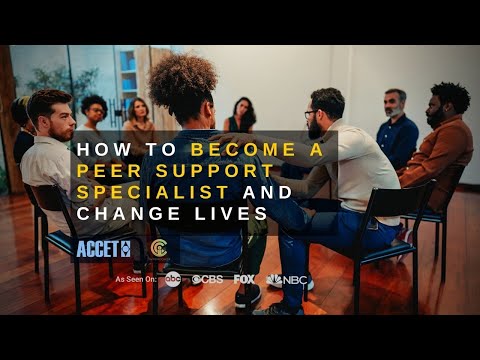
Hey! So, have you ever felt like you really needed to talk to someone who gets it? You know, someone who’s been there, done that? Yeah, me too.
That’s where peer support comes in. It’s like having a buddy who understands your journey because they’ve walked a similar path.
And guess what? There are actually certification programs out there that can help you become that buddy for someone else. Pretty cool, right?
Finding one in your area could open up some awesome opportunities—for you and for others looking for support. Let’s check it out together!
Earn Your Certification: Free Peer Specialist Training in Texas for Mental Health Support
In Texas, becoming a certified peer specialist can be a game changer for those looking to support others in their mental health journeys. Basically, it equips you with skills that are super useful when helping people who might be going through tough times.
What’s really cool is that there are **free training programs** available! These programs usually cover various essential topics like recovery principles, communication skills, and crisis intervention techniques. Plus, they help you understand mental health conditions from a lived experience perspective. You know, because having been there yourself gives you insights that textbooks just can’t.
Here’s a breakdown of what you might find in these training programs:
- Understanding Mental Health: You’ll get familiar with different mental health disorders and how they affect people’s lives.
- Recovery Principles: This focuses on the belief that recovery is possible for everyone. Sharing your own story can inspire hope.
- Communication Skills: Learning how to listen actively and respond empathetically can make a world of difference when supporting someone.
- Crisis Intervention: Knowing how to help someone during a crisis is crucial and often covered in training.
After completing the training, you’ll need to pass an exam to earn your certification. This is where things might get a bit nerve-wracking, but remember: it’s all about demonstrating what you’ve learned!
Let me share an example. Imagine you’ve been through some rough patches yourself—maybe battling anxiety or depression—and now you’re ready to give back. You go through this training program and meet folks who’ve had similar experiences. It’s eye-opening! Suddenly, you’re not alone in this anymore.
There are various organizations throughout Texas offering these peer specialist certification programs. Your local mental health authority or community mental health centers can provide information too.
To find specific programs near you, check out websites focused on mental health resources in Texas or contact local support groups; they often have leads on free trainings available.
In summary, if you’re passionate about helping others navigate their mental health challenges and want to turn your experience into something meaningful, earning your certification as a peer specialist could be an amazing opportunity—plus it’s free! You just have to take the first step and find the right program for you.
Become a Certified Peer Support Specialist in Texas: Your Guide to Training and Opportunities
Becoming a Certified Peer Support Specialist in Texas can be a rewarding journey. Seriously, it’s all about using your own life experiences to help others who are facing similar challenges. It’s like turning your struggle into strength, you know?
To get started, you should look for peer support certification programs in your area. These are often offered by various organizations and can be found online or through local community resources. Here’s what you generally need to know:
Training Requirements: Most programs require you to complete a training course that covers topics such as mental health conditions, recovery principles, and effective communication skills. It’s usually about 40 hours of training but can vary.
Experience Matters: You’ll want to have lived experience with mental health issues or substance use disorders. Your personal journey is what makes you effective as a peer supporter. This helps build trust with those you’re supporting.
Certification Process: After completing the training, you’ll need to pass an exam to earn your certification. This exam tests your knowledge of the material covered during training and ensures you’re ready for real-world scenarios.
Finding Programs: You can check out organizations like the Texas Department of State Health Services or local mental health authorities. They often have listings of certified training programs near you.
For example, some community colleges also offer these courses as part of their curriculum. It’s worth reaching out and asking about upcoming classes.
Job Opportunities: Once certified, you’ll find job openings in various settings like mental health clinics, hospitals, or community organizations. Many employers value the unique perspective that peer specialists bring.
You might also consider volunteering while getting certified; it gives you hands-on experience and can help build connections in the field.
So really, becoming a Certified Peer Support Specialist is more than just getting a piece of paper; it’s about making a difference in people’s lives while reflecting on your own journey. And hey, isn’t that pretty cool?
Earn Your Peer Support Specialist Certification Online in Texas: Boost Your Career in Mental Health
So, you’re thinking about becoming a Peer Support Specialist in Texas? That’s awesome! Seriously, these roles are super important in the mental health field. They help bridge gaps between people struggling with mental health issues and the support they need. But let’s break it down, shall we?
First off, what exactly is a Peer Support Specialist? Well, think of them as someone who’s been through the wringer but has come out stronger on the other side. They’ve faced challenges like depression or anxiety and have gained valuable insights from their experiences. This allows them to connect with others in similar situations. Their job is all about offering support, encouragement, and guidance based on lived experiences.
Now, if you’re in Texas and want to earn your certification online, you’ve got some solid options. Getting certified can really boost your career and make you more attractive to employers in the mental health space. Here are a few points you might wanna keep in mind:
- Understanding Certification: The certification process typically involves completing specific training programs that cover topics related to mental health recovery principles.
- Finding Programs: Look for peer support certification programs that are state-approved. Several organizations offer them online for convenience.
- Course Structure: Expect modules covering everything from communication skills to ethics in peer support.
- Practical Skills: You’ll gain tools to help others navigate their journeys—like how to listen actively and provide motivation.
- Payment Options: Some courses might have financial assistance available or payment plans if you need help affording them.
Once you complete your training, you’ll likely have to pass an exam to become certified officially. Then boom! You’re ready to hit the ground running.
Let me share a quick story here—it reminds me of my friend Jake who went through this same program last year. He had been working in retail but felt he wanted something more fulfilling. After completing his peer support training online, he found himself working at a local wellness center where he can really make a difference every day! It changed his life and gave him purpose.
The job market for Peer Support Specialists is growing too! More organizations realize how crucial these roles are in helping individuals manage their mental health better. So not only is it rewarding work; there’s demand out there!
As you think about pursuing this path in Texas, remember that connecting with others can create incredible ripples of change—not just for those you’re helping but for yourself as well. It could be one of the best decisions you ever make.
And hey, if you’re still curious or unsure about details like specific programs or requirements, don’t hesitate to reach out to local mental health organizations or community colleges—they can provide guidance tailored just for you!
Finding peer support certification programs can kind of feel like searching for a needle in a haystack sometimes, right? You know, it’s not always easy to find resources that really speak to you or fit your needs. A while back, I was trying to figure out how to get involved in peer support myself. It was overwhelming! There’s just so much info out there, it’s hard to know where to start.
So, here’s the deal. Peer support programs are all about connecting with others who’ve been through similar experiences. It’s like having a best friend who gets it—someone who’s walked that same rocky road and knows how tough it can be. But getting certified in this stuff? That’s super valuable for not just you but also for those you might help down the line.
Local community centers, mental health organizations, and even online platforms often have info on these programs. Some might even offer them virtually now. Honestly, take a moment and check your local mental health resources or social media pages; you’d be surprised what you might find.
When I finally found a program that felt right for me, I remember feeling this rush of relief mixed with excitement. Like finally finding that missing puzzle piece after so long of searching! The training was eye-opening; learning how to support someone else while also understanding myself better was such an unexpected bonus.
So if you’re thinking about diving into peer support certs, don’t hesitate! Just remember it’s all about finding what resonates with you personally. And hey—you’re not alone in this search; there’s a whole community out there waiting for you!