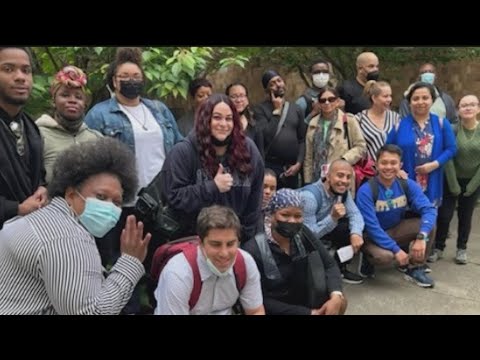
So, let’s talk about something super cool: Peer Support Specialist Certification Training for Mental Health. Sounds fancy, right? But really, it’s all about connecting with others.
You know how sometimes just chatting with someone who really gets it can make a world of difference? That’s the vibe here. It’s like finding that one friend who understands what you’re going through because they’ve been there too.
This training helps people become that friend for others. You get to learn skills that can change lives, you know? It’s all about support and understanding in the maze of mental health.
So if you’ve ever thought about helping others while also navigating your own journey, stick around! There’s a lot to explore here, and trust me, it’s worth your time.
Earn Your Peer Support Specialist Certification Online in Texas: A Step-by-Step Guide
Getting your Peer Support Specialist (PSS) certification online in Texas can be a life-changing step, both for you and those you’ll help. So let’s break down how to navigate this process, making it as simple as possible.
First off, what exactly is a Peer Support Specialist? Basically, it’s someone who has lived experience with mental health challenges and uses that experience to support others. Think of it as being the friend who gets it, you know? You’re there to listen, share, and guide others who are going through similar struggles.
Now, onto the certification process. Here’s the deal:
Step 1: Understand the Requirements
You need to be at least 18 years old. Also, having a high school diploma or GED is usually necessary. Plus, it helps if you’ve got some personal experience with mental health challenges.
Step 2: Find an Approved Training Program
Look for online programs that are recognized by the Texas Health and Human Services Commission. These programs often cover essential skills like communication techniques and understanding mental health issues.
Step 3: Complete the Training
Training typically lasts for about 40 hours. You’ll learn about key topics like recovery principles and how to set up supportive relationships. During this time, some folks really connect with each other because they share their stories and experiences—it’s powerful stuff!
Step 4: Pass the Exam
After finishing your training, you’ll take an exam. Preparing for this can be stressful; but remember—this test is just a way to ensure you grasp what you’ve learned.
Step 5: Submit Your Application
Once you’ve passed that exam (woo-hoo!), you’ll need to fill out an application for certification through the Texas Health and Human Services website. Make sure all your paperwork is in order—keeping things tidy always helps!
Step 6: Maintain Your Certification
Getting certified is just the beginning! You’ll have to complete continuing education credits regularly to keep your skills sharp and stay current on best practices.
And hey, while this might seem overwhelming at first glance, remember that every step moves you closer to helping others in their journeys!
So basically, becoming a Peer Support Specialist not only boosts your knowledge but also gives you an opportunity to make a real difference in someone’s life. It’s more than just getting certified; it’s about connecting with others on a human level while using what you’ve been through as a strength.
If you’re curious or have more questions about any specific steps or details along the way—the mental health community really encourages reaching out! You’re not alone in this journey; tons of resources are available for support as you move forward with your goals.
Enroll in Free Certified Peer Specialist Training in Texas: Enhance Your Skills and Support Mental Health
So, you’re curious about becoming a Certified Peer Specialist in Texas? That’s awesome! Let’s break this down.
First off, what’s a Peer Specialist? Well, think of them as someone who has personally navigated the ups and downs of mental health. They’ve been through it and come out on the other side. Their experiences help others who are currently facing similar challenges. This role is super important since it provides relatable support that traditional therapy sometimes lacks.
Now, if you want to get certified as a Peer Specialist in Texas, there are some training programs specifically designed for you. The state offers free certified training to help you develop the skills needed to provide this kind of support.
Here’s what you can expect from the training:
- Understanding Mental Health Conditions: You’ll learn about various mental health issues, which is crucial for providing effective peer support.
- Communication Skills: Teaching people how to listen and connect can make a big difference. This training hones your ability to share your story while also staying focused on others.
- Crisis Intervention Techniques: You’ll pick up strategies for handling tough situations—like when someone is feeling really overwhelmed.
- Resource Navigation: Learning how to guide individuals through available resources will allow you to better support their journey toward recovery.
You might be wondering how this ties into real-life experiences. Let me tell you about Sarah. She struggled with depression for years but found her voice through peer support after getting trained. Now she helps others with similar issues by sharing not just her struggles but also her tools and tips for coping more effectively.
Now, getting enrolled is pretty straightforward! You can check out community organizations that offer these trainings or even state mental health departments that have lists of programs. Just remember: classes can fill up quickly!
Lastly, it’s worth noting that being a Peer Specialist isn’t just about helping others—it’s also a journey of self-discovery for yourself too. You’ll gain insights about your own experiences and find strength in your story.
In short, this training empowers not just you but also those around you. It’s all about connection, understanding, and growth—both yours and those you’re supporting! And there are many benefits waiting for you as you make that choice to step into this role.
Transforming Lives: Comprehensive Training Program for Mental Health Peer Specialists
When we talk about mental health peer specialists, we’re really diving into a unique support system. These are individuals who have experienced mental health challenges themselves. They use their lived experiences to help others navigate their own mental health journeys. It’s like having a buddy who’s been through the same stuff and gets it, you know?
The Peer Support Specialist Certification Training is crucial for anyone looking to get into this field. It’s designed to equip aspiring specialists with the skills they’ll need to offer real support. This training isn’t just about learning facts; it’s more about understanding how to connect with others on a deeper level.
- Understanding Mental Health Issues: The training covers various mental health conditions, from anxiety disorders to schizophrenia. You’ll learn about symptoms, treatment options, and how these affect daily life.
- Building Communication Skills: A key part of being a peer supporter is effective communication. You’ll practice active listening, empathy, and how to ask open-ended questions that encourage conversation.
- Crisis Management: Life can throw curveballs, right? You’ll be trained on how to handle crises when they arise. This means recognizing warning signs and knowing what steps to take when someone is in distress.
- Cultural Competence: Different backgrounds mean different experiences with mental health. So part of the training emphasizes understanding cultural differences and respecting individual stories.
- Self-Care Strategies: Burnout is real in this line of work. Training includes lessons on how you can take care of yourself while helping others—because you can’t pour from an empty cup!
The whole idea behind this program is transformation—both for the peer specialists and those they support. Imagine someone named Alex who struggled with depression for years but found hope through peer support after going through this certification program. Now Alex not only has tools for personal growth but also helps others feel less alone.
This certification isn’t just a piece of paper; it represents a commitment to making a difference in the community—one conversation at a time. Peer specialists often bridge gaps between different services, helping individuals find their way through what can often feel like an overwhelming system.
In essence, becoming a certified peer specialist opens doors not just for personal change but also sparks collective healing within communities grappling with mental health issues.
The journey starts with that certification training, where passion meets purpose—and lives really do get transformed as a result!
Peer support specialist certification training is one of those things that can really change the game for people dealing with mental health issues. Imagine, you’re sitting in a room filled with folks who have faced their own struggles, like anxiety or depression, and now they’re ready to help others walk that rocky path. It’s pretty powerful stuff.
When you think about it, there’s something special about shared experiences. You know how sometimes just talking to someone who “gets it” feels like a warm hug? That’s essentially what peer support is all about. It’s not some textbook advice from a distance; it’s real-life wisdom from someone who’s been there and come out stronger.
I remember this time when I was feeling completely lost after a rough breakup. I was at this community event where folks shared stories of recovery—just regular people talking honestly about their journeys. There was this one woman who talked about her battle with depression and how she found ways to cope through peer support groups. Listening to her made me feel less alone, like maybe there was hope for me too.
But here’s the thing: the training isn’t just some feel-good session. It’s structured and intense! Participants learn about active listening, empathy, and how to create safe spaces for others to share their feelings. They also get equipped with tools to set boundaries and manage crises effectively—seriously important stuff when emotions run high.
And let’s be honest: being a peer support specialist isn’t just rewarding; it can also be tough work emotionally. After all, supporting someone else means you might relive some of your own challenges along the way. But the beauty of it is that you’re not only helping someone else heal—you’re reinforcing your own recovery process too.
So yeah, if you ever thought about becoming a peer support specialist or just want more understanding of mental health through this lens, that certification training could open up a whole new world for both you and those you’ll help down the line. You’ve got that magic touch because you’ve been there—and that can mean everything for someone who feels completely isolated in their struggles.