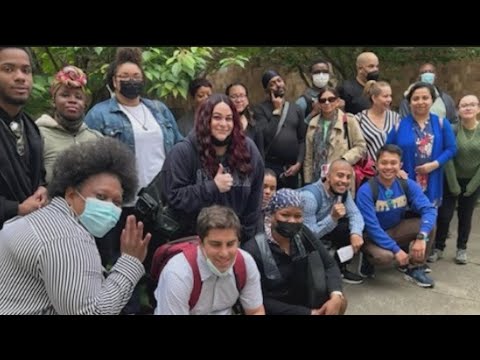
Hey there! So, let’s chat a bit about mental health. You know how sometimes things just feel heavy? Like you’re carrying the weight of the world on your shoulders? Yeah, I’ve been there too.
Finding support is super important, and that’s where peer support specialists come in. These are people who’ve been through their own stuff and can totally relate. They get it, you know?
Imagine having someone by your side who understands what you’re feeling. It makes a world of difference! So if you’re looking for someone like that nearby, let’s dig into how to find the right fit for you!
Understanding the 3-Month Rule in Mental Health: Key Insights for Emotional Well-Being
The “3-Month Rule” in mental health is a pretty interesting concept, especially when it comes to emotional well-being. Basically, this rule suggests that if you’re dealing with a mental health concern or trying to build new habits, it can take about three months of consistent effort before you see real changes. Let’s break down what that means and how it can relate to the support you might find, like peer support specialists.
What is the 3-Month Rule?
The idea here is that lasting change doesn’t happen overnight. You know that saying, “Rome wasn’t built in a day”? Well, same goes for your mental health and emotional habits. It’s like trying to strengthen your muscles; if you hit the gym once or twice, you won’t see the results immediately. But stick with it for three months? That’s when the magic starts to happen.
Why Three Months?
So, why three months specifically? It turns out that’s often how long it takes for something to become a habit and for our minds and bodies to adapt to new routines or coping strategies. When you’re working on your mental health—like managing anxiety or depression—consistent effort over this time frame can help create healthier thought patterns and behaviors.
The Role of Peer Support Specialists
Now, going through this journey alone can be tough. That’s why peer support specialists are super valuable! They’re typically folks who have lived experience with similar issues and can offer guidance based on what worked for them. Imagine having someone who really gets where you’re coming from—it makes all the difference!
- Listening Ear: They provide a non-judgmental space where you can share your feelings.
- Shared Experiences: Their personal stories may resonate with yours and inspire hope.
- Practical Tips: They can offer useful strategies based on what they’ve learned along the way.
Your Personal Journey
Let’s say you’re trying to manage anxiety. In those first few weeks of working through stuff—like practicing mindfulness or attending therapy—it might feel like nothing’s changing. But once you push through those initial hurdles (you know, sometimes feeling like you’re just going in circles), things start shifting around the three-month mark.
Think about Sarah—a friend who struggled with anxiety for years before she found her stride after joining a peer support group. At first, she felt out of place and unsure if sharing would help. As she stuck with it for three months, though, she noticed how her anxiety felt lighter. She was able to share coping strategies that worked for her while soaking up wisdom from others in similar boats.
The Takeaway
So, if you’re navigating mental health challenges right now—or want to build healthier habits—give yourself some patience! The 3-Month Rule isn’t just about waiting; it’s about showing up for yourself consistently and seeking connections that reinforce your growth.
Finding local peer support specialists can be an excellent step toward finding community during this process. You’d be amazed at how much support is out there, ready to help you navigate all those ups and downs along the way! Remember: change may take time but every small step counts toward building emotional well-being.
Finding Peer Support: Essential Strategies for Mental Health and Well-Being
Finding peer support can be a game changer for your mental health and well-being. Seriously, connecting with someone who gets what you’re going through can make a world of difference. Peer support specialists are usually folks who’ve walked a similar path and can offer understanding, options, or just a friendly ear. Let’s break down some essential strategies for finding the right support.
Understand What Peer Support Is. Basically, it’s about connecting with someone who shares similar experiences or struggles. It’s not therapy; it’s more informal and focuses on mutual understanding. You’re there to support each other rather than having a professional relationship.
Identify Your Needs. Before diving in, think about what you need from peer support. Are you looking to chat about daily challenges? Maybe you want someone to help with coping strategies or just to hang out when you’re feeling low? Knowing what you want makes it easier to find the right fit.
Start Local. Check out community centers, mental health organizations, or even local libraries that might have information on peer support groups. You’d be surprised how many resources are close by. Meetup.com is another option where people gather for all kinds of interests, including mental health.
Online Communities. If you’re not super comfortable meeting in person yet—or if that’s just tough due to location—jump into online forums, like those on Reddit or other mental health websites. They usually have sections dedicated to peer support where you can share thoughts and feelings without judgment.
Ask Around. Sometimes the best way to find support is by reaching out to friends or family members first. They may know of local resources or even be willing to join you as you explore options together.
Look for Trained Peer Support Specialists. Some places train folks specifically for providing this type of support. You can find specialists through various organizations that focus on mental health services in your area. They might have lived experience combined with training that equips them better for helping others.
- Networking Events: Check if there are any local events focused around mental wellness.
- Support Groups: Many hospitals offer group therapy sessions; these can also connect you with peers.
- Crisis Centers: Don’t forget about emergency services; they often know about peer programs nearby.
To illustrate this point, I remember when my friend was struggling with anxiety—she felt so alone until one day she found a community group online where people shared their experiences openly. She said it felt like finally breathing after being underwater too long! That sense of belonging changed everything for her.
In short, finding peer support isn’t just about looking up specialists or joining groups; it’s also about understanding yourself and reaching out effectively within your community and online spaces. Remember: there’s no shame in needing help from others who’ve been there too! Just take that first step—it’s often the hardest but truly worth it!
Connecting with Peer Support Specialists for Mental Health in Orlando, FL
Connecting with a peer support specialist can make a huge difference in your mental health journey. So, let’s break it down, especially if you’re in Orlando, FL. Seriously, having someone who truly understands can help in more ways than you might think.
First off, what exactly is a peer support specialist? Well, they’re people who’ve been through similar struggles as you. They know what it feels like to deal with anxiety, depression, or any number of challenges. It’s not about therapy; it’s more like having someone by your side who gets it. You follow me?
How to find one? There are several ways to connect with a peer support specialist in Orlando:
- Local Organizations: Check out places like the National Alliance on Mental Illness (NAMI) of Greater Orlando or the Mental Health Association of Central Florida. They often have resources and can help you find someone.
- Community Centers: Many community centers offer peer support programs. They provide a space for folks to gather and share their experiences.
- Online Directories: Websites like Psychology Today have directories where you can filter options based on your needs and location.
Now, let’s talk about the benefits of working with a peer support specialist. You might feel less alone when you talk about what you’re going through. Imagine sitting down with someone who totally understands your struggle! It’s comforting knowing they’ve been there too.
Anecdote Time: A friend of mine went through a rough patch last year—lots of stress and anxiety due to work issues and personal stuff piling up. She felt really isolated until she connected with a peer support specialist. Suddenly, she had someone to chat with who didn’t judge her but just listened and shared similar experiences. It helped her feel validated and empowered to take steps toward feeling better.
When you’re seeking this kind of support in Orlando, remember that these specialists are trained to help guide you without telling you what to do or how to feel. They emphasize **personal empowerment**—kind of like having someone hold your hand while also encouraging you to stand on your own two feet.
But don’t forget—you should feel comfortable with the person you choose! If it doesn’t feel right after a few sessions, don’t hesitate to look for another connection. This is all about finding what works best for *you*.
In case you’re wondering about costs—some services might be free or low-cost, especially if they’re offered through community organizations or non-profits. Insurance sometimes covers peer support services too, so it could be worth checking out!
So yeah, connecting with peer support specialists in Orlando can seriously help lighten that mental load and give you tools for coping that come from real-life experience rather than textbook knowledge alone.
If you’d like some personalized recommendations or specific contacts in the area, don’t hesitate—reach out! Each journey is unique; finding the right kind of help might just be the first step toward brighter days ahead.
Finding a peer support specialist can be such a game changer for mental health. You know how sometimes, talking to a friend or family member just doesn’t cut it? They might not fully get what you’re going through. That’s where someone who’s been in the trenches, so to speak, really shines.
I remember a time when I was feeling super low and overwhelmed by anxiety. Even when I was surrounded by people who cared, it felt like they were on another planet. It wasn’t until I met a peer support specialist that things began to shift for me. This person had walked the same path, dealt with similar battles, and honestly? It felt like I finally found someone who understood my struggles without judgement.
Connecting with a peer support specialist isn’t just about having someone to talk to. It’s about building that bridge of common experience. They can share their coping strategies and insights that come from lived experience—not textbook knowledge. So if you’re looking for one near you, try searchin’ online or checking local mental health organizations.
It might feel intimidating at first but just think of it as reaching out for a helping hand from someone who’s been there before. Seriously, it can make the world of difference in navigating whatever’s weighing you down right now. You deserve that support!