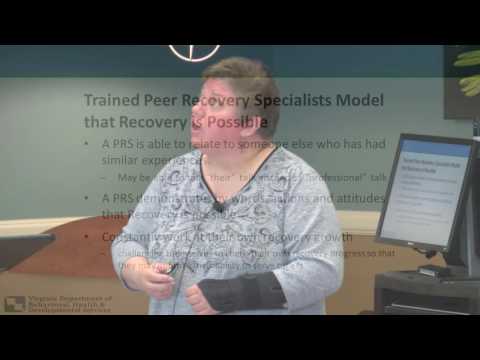
You know how life can get real messy sometimes? Like, seriously.
That’s where peer support specialists come in. They’ve been through the wringer, and they get it.
Imagine chatting with someone who’s walked the same path as you. It’s like having a buddy who totally gets what you’re going through. Pretty cool, huh?
Now, with online training, these amazing folks are leveling up their skills even more. They’re learning how to help others while still taking care of their own mental health. It’s a win-win!
So if you’re curious about this whole thing, stick around! Let’s dig into what makes this training so special and why it matters for mental health support.
Unlock Your Potential: Free Online Certified Peer Specialist Training Available Now
So, you’re curious about the whole idea of free online certified peer specialist training? Well, let’s break it down, shall we? Peer support specialists are people who have lived experience with mental health challenges. They’ve walked that path and now use their story to help others. This kind of training is a big deal because it equips folks like you to support others grappling with mental health issues.
First off, what do peer specialists actually do? They offer guidance, empathy, and share personal experiences that resonate. They’re not therapists or counselors per se but are there as relatable figures who can help individuals feel less alone. You know how important it is to talk to someone who gets what you’re going through, right? That’s precisely what these specialists provide.
Now, you might be wondering about this training process. Here’s the scoop:
- Accessible Learning: You can access this training from anywhere with an internet connection. So whether you’re at home in your pajamas or at a coffee shop, you can dive into these courses.
- Certification: Completing the program usually comes with a certificate that validates your skills in peer support. This can be super useful if you’re looking to get involved professionally.
- Flexible Schedule: The beauty of online training is that you can learn at your own pace. Got a job or family commitments? No problem! You create your own timeline.
- Valuable Skills: The curriculum typically covers topics on active listening, communication skills, and crisis intervention strategies. These skills aren’t just helpful for supporting others—they’re also great for personal growth.
Here’s a little anecdote for you: A friend of mine took on this peer specialist training after going through some tough times herself. She discovered she had a knack for connecting with others facing similar struggles. It helped her not just find purpose but also transform her own experiences into something positive.
Another key point is community connection. Training programs often encourage participants to network with fellow learners and even trainers. This gives you an opportunity to build relationships and share resources—a huge motivator in the mental health space!
Still on the fence? Think about how powerful it could be to help someone else find their footing in life after struggling yourself. Becoming a peer specialist isn’t just about helping others; it’s also about finding strength in shared experiences.
This free online training isn’t available forever though—not sure how long it’ll last—but it’s definitely worth checking into if you’re interested in making a real difference.
So yeah, the potential is there! If you’re motivated by helping people through their darkest times and want to develop some serious interpersonal skills while doing so, why not take advantage of this opportunity?
Unlock Your Potential: Free Online Training for Aspiring Peer Support Specialists in Mental Health
Peer support specialists play a crucial role in mental health care. They share their personal experiences to help others experiencing similar struggles. This type of support provides a unique perspective that traditional therapists might not offer, you know?
Now, if you’re interested in becoming a peer support specialist, there’s good news! There are plenty of free online training programs available. These programs equip you with the skills and knowledge needed to effectively support others in their mental health journeys.
Here are some key points about these training programs:
You might wonder how this all works in practice, right? Imagine someone named Sarah. She struggled with anxiety but found comfort through her own peer specialist after going through therapy herself. Inspired by her experience, Sarah decided to become a peer support specialist too. Thanks to an online training program she enrolled in for free, she learned valuable skills that helped her connect with others who felt isolated or overwhelmed.
Peer specialists like Sarah can make a big difference in someone’s life simply by being there and sharing their journey. It’s about building community and showing that recovery is possible; that’s pretty powerful.
If you’re considering becoming a peer support specialist yourself, take the plunge! Find an online program that fits your needs and get started on this rewarding path to help others while also growing personally. Your experiences matter—don’t underestimate their value!
Find Local Online Training for Peer Support Specialists in Mental Health
When you’re looking to become a peer support specialist in mental health, finding the right online training can be a game-changer. It’s not just about getting a certificate; it’s about equipping yourself with the skills to help others who are navigating their mental health journeys.
What exactly is a peer support specialist? Basically, these are folks who have lived experience with mental health issues and use that perspective to support others. You know how sometimes talking to someone who’s been through it can really help? That’s what peer support is all about.
So, where do you find local online training? First, check out your local mental health organizations. Many of them offer programs specifically designed for peer support specialists. Look for workshops or webinars that focus on skills like active listening, empathy, and sharing personal experiences without judgment.
Another great resource is universities or colleges in your area. Some might have continuing education programs that include peer support training. Online platforms like Coursera or Udemy also offer courses that can give you valuable insights into mental health topics and the role of a peer support specialist.
You might want to consider networking groups too. Joining local mental health advocacy groups on social media can connect you with others who are on the same path. Often, they share links to training opportunities or host events where you can learn more.
Certifications can vary by state or organization, so make sure you look into what’s recognized in your area. Some places require specific hours of training or supervised experience before certification while others might be more flexible. Always check those details—it’s crucial for your future practice!
And if you’re feeling overwhelmed by all the info out there? Don’t sweat it! Reach out to someone who’s already a peer supporter or even a trainer; they can provide clarity on what courses were useful for them and what to look out for.
In short, diving into online training for peer support specialists involves researching local organizations and educational institutions while connecting with community networks. It’s an amazing way to get involved in mental health advocacy and make a genuine difference in people’s lives!
So, let’s chat about this whole online training thing for peer support specialists in mental health. Honestly, it’s a game changer. You know, I remember hearing from a friend who went through this training. She’d struggled with anxiety for years and finally found her footing after joining a peer support group. When she told me how the online training helped her become a specialist, I could practically see her light up.
There’s something really powerful about peers helping peers, right? Being able to connect with someone who “gets it” can be so comforting. And with online training, those opportunities just expand like crazy—like you can reach people from all walks of life. It’s accessible and flexible, which is huge for folks who might have other commitments or feel overwhelmed by traditional classroom settings.
But then again, there’s always that concern about missing out on the personal touch when everything’s done online. Sometimes you just need to see someone face to face to really feel that human connection. It can feel kind of isolating staring at a screen while you’re trying to connect with someone else’s feelings.
Still, the benefits are clear as day; you’re learning critical skills while sharing experiences in a safe space. Those classes are often led by experienced trainers who know their stuff and can guide discussions that make you think deeper about your own journey and what supporting others looks like.
And let’s be real — these types of programs are also breaking down barriers around asking for help or speaking out about mental health issues. In an age where stigma still exists, having trained peer support specialists ready to step up makes it easier for others to reach out when they need that added boost of encouragement or understanding.
So yeah, there’s definitely some challenges in the mix. But overall? The future looks promising for peer support specialists getting trained online! After all, everyone deserves connection and understanding when navigating their mental health struggles—whether in-person or through a screen.