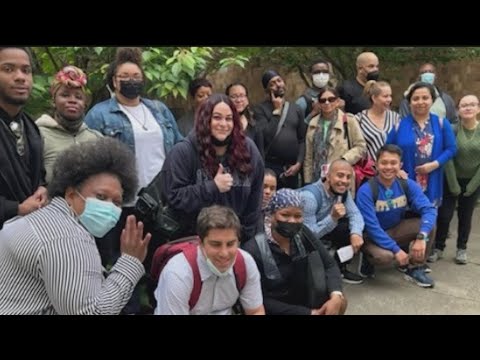
Hey! So, you know how sometimes life can feel a bit overwhelming? You’re not alone in that. Seriously, we all hit those rough patches.
Finding someone who gets it can make a world of difference. That’s where peer support comes in. It’s like having a buddy who’s been through similar stuff and can totally relate.
If you’re curious about diving into peer support training in your area, you’ve come to the right place! Let’s figure this out together. You’re not just looking for help; you’re also building a community.
Discover Local Peer Support Training Programs Near You for Enhanced Mental Health
Looking for local peer support training programs can really be a game changer if you or someone you know is navigating mental health challenges. Peer support is all about people connecting who’ve been through similar experiences, and it can make a huge difference in how someone feels. You know, it’s like sitting with a friend who just gets it.
So, what exactly are these training programs? Well, they usually teach individuals how to provide support to others based on shared experiences. Think of it as equipping yourself with tools to help someone who’s dealing with anxiety, depression, or other mental health stuff.
Here’s how you can find these programs in your area:
- Online Searches: Websites like Mental Health America or the National Alliance on Mental Illness (NAMI) offer resources for finding peer support programs. Just type in your location and see what pops up.
- Community Centers: Many local community centers or health organizations offer training sessions. Swing by or give them a call to ask what they have going on.
- Universities: If there’s a college nearby, check their psychology department. They might run peer support workshops or even have student-led initiatives.
- Support Groups: Sometimes local support groups advertise training sessions. Don’t hesitate to ask them if they have recommendations.
- Shelters and Clinics: Places focused on mental health and wellness often provide or can point you towards peer support training opportunities.
Finding one that fits your needs isn’t always straightforward, but stick with it! Some programs may require you to commit to certain volunteer hours after training, which is great because it builds up that sense of community.
I remember when my friend Sarah decided to join a peer support program after her own journey through depression. At first, she was hesitant—like unsure if she’d really be able to help anyone else since she was still healing herself. But guess what? After her training, she felt empowered! She found herself not only supporting others but also gaining new insights into her own experiences along the way.
In some areas, these programs might even be connected with larger organizations that focus on broader mental health issues—they sweeten the pot by offering more than just training like networking opportunities and additional resources.
You might also want to look out for trains related specifically to certain topics—like trauma-informed care or dealing with grief—cause sometimes those specialized skills come in handy.
Whatever path you take, remember that engaging in peer support isn’t just about helping others; it’s also about building connections and understanding yourself better through shared stories and experiences. So get out there and explore what’s available around you!
Discover Local Peer Support Training Programs Online for Enhanced Mental Health
Finding local peer support training programs can be a game-changer in enhancing mental health. Seriously, connecting with others who get what you’re going through can make a world of difference. So, let’s break this down a bit.
What is Peer Support?
Peer support is when people with lived experience help each other out. It’s all about sharing stories and offering understanding. You might find someone who’s been through similar struggles, and talking to them can feel like a weight lifting off your shoulders.
Why Training Matters
Now, training isn’t just for the sake of it. It equips you with tools to support others effectively. You learn about active listening, empathy, and how to navigate tough conversations. This isn’t just chit-chat; it’s about creating a safe space for others.
Where to Find Programs
Searching for peer support training programs in your area can seem overwhelming at first. But don’t worry; there are lots of resources available online! Here are some places to start:
- Local Mental Health Organizations: Many local nonprofits focus on mental health and often offer peer support training.
- NAMI (National Alliance on Mental Illness): They provide info on various programs around the country.
- Mental Health America: They have resources that help locate programs nearby.
- Your Community Center: Sometimes they host workshops or training sessions.
- Online Platforms: Websites like Zoom or other video conferencing tools are used by many organizations now to deliver training virtually!
A Personal Example
I remember a friend who went through some tough times after losing his job. He found a local peer support program online and decided to give it a shot. He was nervous at first but ended up finding not only great training but also a community of people who understood his struggles firsthand. It was inspiring! They shared stories, learned together, and lifted each other up.
The Benefits of Being Trained
Once you’re trained, it’s not just about helping others; you grow too! You’ll probably notice changes in how you approach your own challenges—it’s like gaining superpowers! And the connections you make? Those friendships can last forever.
So if supporting others while improving your own mental health sounds appealing, checking out these local programs might be just what you need. Look around online; there are plenty of resources waiting for you!
Discover Free Peer Support Training Programs Near You for Enhanced Mental Health
Finding peer support training programs can be a game changer for a lot of folks. Seriously! These programs help people develop skills to support others dealing with mental health challenges. Plus, they often come at no cost, which is fantastic.
So, what are you looking for? Here are a few ways to find free peer support training programs near you:
- Community Centers: Many local community centers offer training sessions for those interested in becoming peer supporters. They usually have information on upcoming workshops or ongoing programs.
- Nonprofits: Organizations focused on mental health and wellness often provide free training. Look up national and local nonprofits; they might have something going on.
- Online Resources: Websites dedicated to mental health awareness frequently list available programs. You can search based on your area or even find some online options!
- Social Media Groups: Join local community groups on platforms like Facebook or Reddit where people share resources related to mental health and peer support opportunities.
- Your Network: Chat with friends or acquaintances who are involved in mental health work. They might know about accessible training programs that aren’t widely advertised.
When I think about this kind of support, I remember my friend Sarah. She went through a really tough time after losing her job. She felt alone and didn’t know who to talk to about it. Then she found a peer support program that completely changed things for her—she learned how to express her feelings and help others at the same time.
So, like I said, these peer support programs not only offer training but also build a sense of community. You get skills, yes, but also friendships with people who understand what you’re going through because they’ve been there too.
If you’re interested in these kinds of opportunities, make sure you do some digging! Remember, just because something’s free doesn’t mean it’s low quality; many organizations genuinely want to help connect people with the resources they need.
You can always reach out directly to local mental health organizations; they’re super friendly most of the time! Plus, getting involved in such programs not only helps you grow but also creates positive ripples within your community.
So why wait? Check out what’s around you—there’s no better time than now to jump into this fulfilling journey of supporting others while enhancing your own mental well-being!
Finding peer support training programs in your area can be a real game-changer, especially if you’re looking to connect with others who’ve been through similar experiences. Seriously, it’s like having a safety net right underneath you. I remember when my friend Rachel went through her tough patch. She felt so alone until she stumbled upon a local program that not only trained her but also helped her realize she wasn’t the only one battling those mountain-sized feelings.
So, what does peer support even mean? Well, it’s kind of like chatting with someone who gets it—someone who’s walked that same rocky road. It can be super comforting to know you’re not alone, and these programs can teach you how to be there for others too. You learn skills, like active listening and empathy, which are pretty essential in helping someone feel heard and valued.
To find a program near you, start by checking community centers or mental health organizations. Lots of times they’ll have resources listed or even host these trainings! The internet is also your friend here—websites dedicated to mental health often have directories where you can search for local offerings. It feels good to take that first step towards getting involved; trust me.
And look, if you’re feeling hesitant about reaching out or signing up—totally normal! But just imagine being able to offer support and encouragement to someone who might really need it today. It’s incredibly powerful stuff. Plus, you might meet some of the most genuine people along the way; connections formed through shared experiences often turn into lasting friendships.
So take a leap of faith — go ahead and search for those programs! You’ll likely find opportunities that not only benefit others but could also help you grow personally along the way.