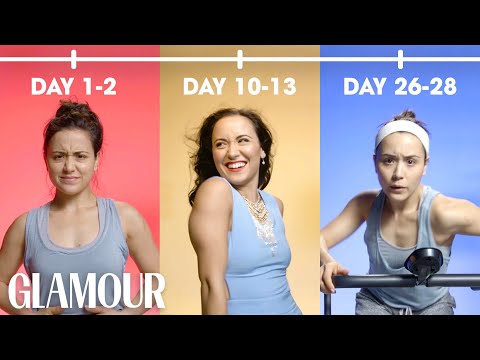
You know how some days just feel heavier than others? Like, one moment you’re on top of the world, and the next, a wave of emotions hits you. It’s wild, right?
Well, if you’re a woman, those ups and downs might be tied to your menstrual cycle. Seriously! Hormones are sneaky little devils, messing with our moods in ways we don’t even realize.
Sometimes it feels like there’s a rollercoaster going on inside. One week you’re feeling fierce and ready to take on anything. The next week? You might just wanna eat ice cream in your pajamas and binge-watch old shows.
So let’s chat about how your cycle affects how you feel. Because understanding this stuff can seriously change the game for your emotional wellbeing.
Understanding Menstrual Cycle Mood Swings: A Comprehensive Chart for Emotional Awareness
The thing about menstrual cycle mood swings is that they can be a rollercoaster ride, right? Seriously, it’s not just about the physical symptoms. Emotionally, it can feel like you’re on a whole different planet every month! Let’s break this down for you.
First off, each woman’s cycle is different. Generally speaking, it lasts around 28 days but can range from 21 to 35 days. During this time, your hormones are doing their thing— fluctuating up and down like a yo-yo. And these hormonal shifts have some serious effects on your mood.
Day 1-5: Menstrual Phase
At the start of your period, you might feel a bit crampy and fatigued. It’s totally normal to experience irritability or even sadness during this phase. You could be feeling all sorts of emotions as your body sheds its lining and gets ready for the next cycle.
Day 6-14: Follicular Phase
Once that period ends, estrogen starts to rise. This is when you might start feeling more energized and positive! You know that sense of renewal? Yeah, that’s it! But don’t get too comfortable; it’s not over yet.
Day 15-17: Ovulatory Phase
Around ovulation, estrogen peaks again. You may feel more social and confident—like you could conquer the world! But there might be moments of anxiety creeping in too; that’s just the hormones doing their dance.
Day 18-28: Luteal Phase
Ahh, here comes the not-so-fun part. After ovulation, progesterone rises while estrogen dips. This combo can lead to PMS symptoms like mood swings or irritability. During this time:
- Emotional fluctuations: One moment you’re fine; the next you’re crying over a sad commercial.
- Anxiety levels: Stress may feel amplified leading up to your period.
- Irritability: Little things might start to annoy you way more than usual.
It’s wild how one moment everything feels fine and then—bam!—you’re suddenly overwhelmed or crying for no apparent reason.
What makes all of this even quirkier? Stress factors from life outside your cycle can mix with these hormonal changes. Stress at work or personal issues can intensify those emotions during certain phases of your cycle.
It’s worth noting that if these mood swings feel really unmanageable—like affecting your daily life or relationships—you should chat with someone about it. Sometimes hormonal imbalances could contribute to mental health issues like depression or anxiety.
Understanding how your cycle affects your emotions helps in managing them better. Keeping track—maybe with an app or a simple journal—can give you insights into what works for you emotionally throughout your cycle.
So yeah, being aware is key! Embracing these changes instead of just battling them might help make things easier month after month.
Understanding the 4 Phases of Your Menstrual Cycle and Their Impact on Emotions
The menstrual cycle is more than just a monthly occurrence; it can actually shape your emotions in significant ways. Understanding the four phases of your cycle can help you feel more in control of your emotional wellbeing. So, let’s break it down!
1. Menstrual Phase
This is when your period happens, typically lasting 3 to 7 days. You might feel low energy and a bit moody during this time. That’s totally normal! Your hormone levels are at their lowest point, which can trigger feelings of sadness or irritability. Imagine that feeling of just wanting to curl up on the couch with a blanket – yeah, that’s pretty common.
2. Follicular Phase
Following menstruation, this phase kicks off as your body prepares for ovulation and usually lasts about 7 to 10 days. Estrogen starts to rise, and you might notice an emotional shift towards feeling more energetic and optimistic. It’s like waking up after a long sleep! You could also find yourself more social and willing to take risks. Maybe you’ll feel excited about starting new projects or reconnecting with friends.
3. Ovulatory Phase
Now, here comes the fun part! This phase lasts about 3 to 5 days when estrogen peaks and a surge in luteinizing hormone leads to ovulation. You may feel really confident and even sexy during this time—thank those hormones for that boost! Your mood is likely at its highest, making it easier to connect with others or engage in activities you love.
4. Luteal Phase
And then we hit the luteal phase—this one usually spans about 10 to 14 days after ovulation until your next period starts. Here’s where things can get tricky: progesterone rises while estrogen levels dip later on, which might lead to PMS symptoms like irritability or anxiety for some folks. It’s not unusual if you start feeling less patient or a bit blue as the period approaches.
So basically, every phase brings its own emotional flavor, which means being aware of them can help you navigate those ups and downs better.
Understanding your menstrual cycle isn’t just about physical health; it’s intertwined with how you feel emotionally day-to-day too! Recognizing these changes might allow you to plan ahead for those tougher days or embrace the highs even more fully when they pop up.
In the end, listen to your body—each cycle teaches us something new about ourselves!
Understanding the Physical and Emotional Changes During Your Menstrual Cycle: A Comprehensive Guide
I’m really glad you’re curious about the ups and downs of the menstrual cycle. Seriously, it can be such a wild ride, right? Let’s break down what happens physically and emotionally during your cycle.
Understanding Your Menstrual Cycle
Your menstrual cycle typically lasts about 28 days, but it can range from 21 to 35 days for different people. It’s divided into four main phases: the menstrual phase, follicular phase, ovulation, and luteal phase. Each part brings its own set of physical and emotional changes.
1. Menstrual Phase (Days 1-5)
This is when you get your period. It might feel like a drag. Cramps can kick in due to contractions in the uterus, which might leave you feeling a bit crummy emotionally too. You might feel more tired than usual. Plus, don’t be surprised if you’re craving comfort food—it’s pretty common!
2. Follicular Phase (Days 6-14)
After your period ends, things start to pick up! Your body gears up to release an egg. Estrogen levels rise during this phase, often boosting your mood and energy levels. You might feel more motivated or even social—like you wanna tackle that project or hang out with friends more.
3. Ovulation (Around Day 14)
This is when you’re most fertile and usually feel pretty great! Some people experience a surge in libido or heightened senses—colors seem brighter and food tastes better! But not everyone will notice this; it just depends on how your body handles hormone fluctuations.
4. Luteal Phase (Days 15-28)
Now things get a little trickier again. After ovulation, progesterone rises while estrogen dips slightly—this shift can make some people feel moody or irritable as PMS kicks in for many folks toward the end of this phase. You may have mood swings or cravings again too.
The Emotional Rollercoaster
So here’s the thing: these hormonal changes affect neurotransmitters in your brain like serotonin (which helps manage mood). That explains those emotional highs and lows! Some days you’ll feel unstoppable; others you may just want to curl up with blankets and chocolate.
It’s important to pay attention to how each phase affects you personally because everyone’s different—what’s totally normal for one person could be super challenging for another.
If you find yourself feeling really down during certain phases of your cycle that don’t seem to lift over time, chatting with someone—a friend or therapist—might be helpful. Emotional wellbeing is super important!
Remember that tracking your mood alongside your cycle can help identify patterns over time—it could even be enlightening!
So there you go—you’ve got the scoop on what’s happening physically and emotionally during your menstrual cycle! Just know it’s okay to have mixed feelings about it all; you’re definitely not alone in experiencing these changes.
You know, periods can feel like a roller coaster ride sometimes, right? One minute you’re feeling on top of the world, and the next, you’re hiding under a blanket with a tub of ice cream, sobbing over a TV show. It’s wild how our menstrual cycles can mess with our emotions.
So, here’s the deal: hormonal changes during the cycle can really play with your head. For some women, this means feeling more anxious or irritable in the days leading up to their period. You might find yourself snapping at loved ones for no reason or bursting into tears during a commercial. Seriously, it happens!
I remember a friend who always seemed to be in a funk right before her period. She’d joke about being “PMS-ing,” but deep down, I could see it was more than just a punchline for her. She felt overwhelmed and moody like her emotions were on high alert. And let’s be real—sometimes she didn’t even realize it until after her period came and went.
That emotional push and pull can really wear you down if you don’t acknowledge it. Some women struggle with conditions like PMDD (Premenstrual Dysphoric Disorder) where those mood swings become extra intense. But even if that’s not the case for you, recognizing these patterns can be super powerful.
Finding ways to cope is key! Whether that’s talking to someone about what you’re feeling or practicing self-care—like cozying up with your favorite book or indulging in some good food—can make all the difference.
It’s essential to remember that your feelings are valid. Hormones are sneaky little devils that can shake things up without warning. Just knowing that it’s all tied to your cycle might help ease some of those emotional waves when they hit. So next time you find yourself crying over something silly or feeling like you just can’t deal, give yourself a break and know it’s part of this natural dance we go through every month.