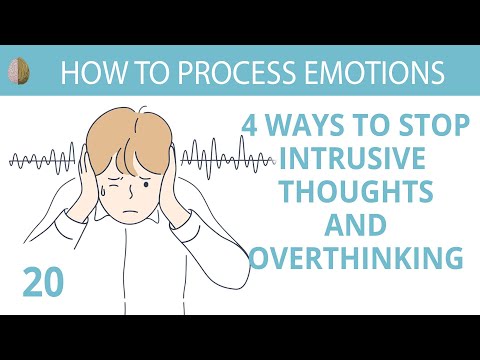
You know those moments when your brain just won’t shut up? Yeah, we’ve all been there. Seriously, it’s like a hamster on a wheel, going round and round.
Sometimes, these pesky thoughts can feel overwhelming. They take over your mind, making it hard to focus or even relax.
But what if I told you that you’re not alone in this? So many people struggle with persistent thoughts. It’s a wild ride, but understanding it can really help.
Let’s chat about it! We’ll dive into what’s going on in your head and how to navigate through those mental mazes together. Sound good?
Breaking Free: Effective Strategies to Overcome Repetitive Thoughts and Enhance Mental Clarity
So, let’s talk about those annoying repetitive thoughts. You know the ones—looping in your head like a broken record? They can get super overwhelming and mess with your mental clarity. It’s a pretty common struggle, so don’t feel too bad if you’re dealing with this. But hey, there are some effective strategies you can use to break free from that cycle and clear things up a bit.
1. Acknowledge Your Thoughts
Instead of pushing them away or trying to ignore them, acknowledge that these thoughts are there. It’s like when you walk into a room and see an elephant; it’s better to just say, “Okay, there’s an elephant.” Recognizing what you’re thinking can help reduce its power over you.
2. Challenge Those Thoughts
Once you’ve acknowledged your thoughts, start questioning them. Seriously ask yourself if they’re true or if they make sense. For example, if you’re thinking «I’m always messing up,» flip it around—»What evidence do I have for this?» Sometimes our minds play tricks on us.
3. Mindfulness Techniques
Practicing mindfulness is a game changer. You don’t have to be a meditation guru or anything; just focus on the here and now. Try taking deep breaths and really feeling each inhale and exhale as it moves through you. It’s like hitting the reset button on your brain.
4. Write It Down
Journaling can be super helpful too! Grab a notebook and spill out those swirling thoughts onto paper. Sometimes just getting them out of your head helps lighten the load, making space for clearer thinking.
5. Distract Yourself
Engaging in activities you enjoy can also provide relief from those pesky thoughts. Whether it’s going for a walk, watching a funny show, or diving into a hobby—whatever makes you happy could help reframe your focus.
6. Set Time Limits
Ever heard of “worry time”? It’s where you give yourself 10 or 15 minutes each day to worry about whatever’s bothering you—but only during that time! Outside of that window? No more worrying allowed!
7. Seek Support
Don’t hesitate to reach out to someone who gets it—like friends, family members, or even professionals like therapists or counselors who can offer fresh perspectives or coping techniques tailored just for you.
Each one of these strategies might take some practice before they become second nature but hang in there! Something like this doesn’t usually happen overnight; it takes time and effort!
Remember that everyone deals with repetitive thoughts at some point—it doesn’t define who you are! With these strategies at hand, achieving greater mental clarity is totally within reach—you got this!
5 Effective Strategies to Let Go of Persistent Thoughts and Find Mental Clarity
Let’s talk about those annoying, persistent thoughts that just won’t quit. You know the ones, right? They swirl around your mind like a never-ending loop, and it can be draining. Finding mental clarity feels like searching for a needle in a haystack sometimes. But there are some strategies you can use to help let go of those thoughts and find your peace again.
1. Mindfulness Meditation: This is all about being present in the moment. Instead of getting lost in your head, try focusing on your breath or the sensations around you. Even just a few minutes a day can help you notice when thoughts pop up without letting them control you. I remember sitting cross-legged on my bedroom floor, arms heavy with tension, and just observing my breaths instead of getting tangled in worries.
2. Journaling: Writing down what’s bouncing around in your head can be super freeing. Just grab a notebook and spill out everything – no filters! It’s like shaking up a snow globe; once it settles down, things become clearer. Sometimes when I write late at night, I discover patterns or insights that help me understand what’s bothering me.
3. Physical Activity: Moving your body is one of the best ways to clear your mind! Whether it’s running, dancing, or even just taking a walk around the block—exercise releases those feel-good endorphins and helps put some space between you and those pesky thoughts. I remember going for a jog during a particularly heavy weekend; by the end of it, I felt lighter and way less foggy inside.
4. Set Time Limits for Worrying: This might sound odd, but setting aside specific «worry time» can be effective—like 10 minutes each day where you allow yourself to think those heavy thoughts without distractions. After that time’s up? You move on to other things! Seriously—it’s surprising how much more manageable they feel when they’re contained.
5. Connect with Nature: Getting outside can do wonders for your mental clarity! The sounds of birds chirping or leaves rustling can break that cycle of ruminating thoughts. Try spending some time in a park or garden when you feel overwhelmed—you might find it refreshing! I once sat by a lake after work; the ripple of water made everything else seem distant.
The thing is, clearing out persistent thoughts doesn’t happen overnight—it’s like tidying up an attic full of old junk! Keep trying different strategies until something clicks for you because everyone is unique. So hang in there; finding mental clarity is totally possible!
Understanding Intrusive Thoughts: Real-Life Examples and Effective Coping Strategies
Intrusive thoughts can be a real nuisance, right? They pop up out of nowhere, often leaving you feeling confused or even scared. You might be going about your day, and suddenly you get a vivid image or an unsettling idea that just won’t go away. It’s important to understand that **intrusive thoughts are common** and don’t define who you are.
So, what exactly are these pesky thoughts? Well, they’re unwanted ideas or images that can cause distress. And guess what? Almost everyone experiences them at some point. Sometimes they’re silly; other times, they can feel downright alarming. Think about it: you’re driving on the highway and suddenly picture crashing your car. It’s jarring! But don’t panic; it’s usually just your brain’s way of processing different scenarios—however extreme they may seem.
Here’s a quick look at why these thoughts happen:
- Stress and Anxiety: High stress levels can trigger more intrusive thoughts.
- Depression: This can amplify negative ruminations.
- Perfectionism: When you hold yourself to impossibly high standards, it might lead to intrusive worries.
Now let’s jump into some real-life examples to make this clearer. Imagine Sarah, who often worries about harming her loved ones despite not wanting to. These types of **intrusive thoughts** might haunt her daily—little whispers in her head telling her she’s dangerous or untrustworthy even though she knows that’s far from true.
Or consider Mike, who constantly revisits a conversation he had with his friend, obsessing over whether he said something offensive. That nagging voice plays the conversation over and over again like a broken record! For both Sarah and Mike, their minds create these scenarios without any intention; they’re just trying to process emotions or fears that haven’t been fully addressed.
So how can you cope with these annoying little thoughts? Here are some strategies:
- Acknowledge Them: Don’t fight those thoughts! It might sound weird, but acknowledging them as part of your experience helps reduce their power.
- Create Distance: Picture the thought as a cloud floating by. Just let it pass; don’t chase after it.
- Meditation and Mindfulness: Practicing mindfulness allows you to observe your thoughts without judgment—like being a spectator in your own mind.
And remember: talking about it with someone could really help too! Whether it’s friends, family or a therapist, just expressing those fears can lighten the load drastically.
In short, intrusive thoughts are unwelcome visitors in our heads—but they’re not dangerous and don’t reflect reality. By learning effective coping strategies and understanding why they come up in the first place, you can take back control of your mental space and navigate through that maze of persistent thoughts with more ease!
You know those days when your mind just won’t quit? You’re sitting there, trying to focus, but your thoughts are doing this crazy dance, ping-ponging from one worry to another. It can feel like you’re stuck in a maze, right? And this isn’t just some passing thing; it’s something a lot of folks deal with when it comes to mental health.
I remember a time, not too long ago, when I was trying to fall asleep after a pretty busy day. Instead of drifting off peacefully, I found myself spiraling down this rabbit hole of “What ifs.” What if I messed up that presentation at work? What if my friends thought I was boring? Seriously! My brain threw everything at me – past mistakes and future anxieties all tangled together like some bad spaghetti. It’s exhausting.
These persistent thoughts can really take a toll on your emotional well-being. They can keep you awake at night or pull you down during the day, making even simple tasks feel monumental. And it’s not just about worrying; it often leads to feelings of inadequacy and loneliness. You might catch yourself thinking you’re the only one feeling this way, which only makes matters worse.
So what’s going on up there? Well, sometimes our brains get a little overactive—like they’ve had too much caffeine. This can happen for various reasons: stress, anxiety disorders, or even depression can crank up those overthinking gears. It becomes this loop where one thought feeds into another like an endless cycle of doom scrolling in your mind.
And here’s the kicker: finding a way out isn’t always straightforward. You might try talking it out with someone—just spitting everything out loud can help sort through the chaos in your head. Other times, grounding techniques or mindfulness practices come in handy to help you stay present instead of getting lost in that maze.
But remember, it’s okay not to have all the answers right away. Everyone has their own journey through these tangled thoughts and emotions—there’s no “one-size-fits-all” solution here! And if you feel really stuck? Reaching out for supportive guidance is never a sign of weakness; it actually takes strength.
So next time those persistent thoughts start spinning you around like a carnival ride gone rogue? Just take a deep breath and remind yourself that you’re not alone—it’s part of being human! You’re navigating that maze one twist and turn at a time—and maybe even discovering new paths along the way.